 0
0
 0
0
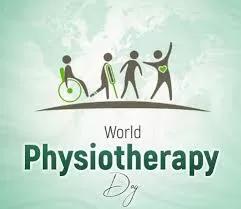
In a timely and essential call to action on World Physiotherapy Day 2025, India’s Union Health Minister J.P. Nadda underscored the critical role of physiotherapy in promoting healthy ageing and enhancing quality of life among older adults. Speaking on September 7, 2025, Nadda emphasized physiotherapy’s effectiveness in strengthening movement after falls, strokes, and other disabling conditions, urging its integration into national healthy ageing strategies. This appeal aligns with global health priorities that acknowledge physiotherapy as a cornerstone of preserving mobility, preventing frailty, and ensuring independence in ageing populations.
Key Findings and Developments
Physiotherapy, a healthcare discipline focused on movement therapy, has emerged as a powerful tool against the physical decline frequently associated with ageing. Current evidence shows that regular physiotherapy interventions can reduce pain, improve mobility, and increase functional independence, especially in older adults burdened by chronic illnesses such as arthritis, hypertension, and stroke sequelae. A recent study of 384 older adults revealed significant improvements in pain scores and mobility after physiotherapy, with frequency and session duration correlating positively with better outcomes (mean pain reduction from 5.09 to 2.95; mobility scores improved from 3.0 to 3.96).
Highlighting the international importance, World Physiotherapy Day 2025 is dedicated to “Healthy Ageing,” focusing on preventing falls and frailty. Physiotherapists worldwide, including those in India through mass awareness and free camps, advocate maintaining strength and flexibility to reduce injury risk and promote autonomy in later years.
Expert Perspectives
Dr. Aruna Sharma, a geriatric physiotherapist not involved in the Minister’s discourse, remarks, “Physiotherapy addresses both prevention and rehabilitation, offering tailored exercise programs that strengthen muscles, improve balance, and enhance respiratory function. This comprehensive approach is vital as the proportion of elderly individuals rapidly grows, especially in countries like India.”
Similarly, a leading public health researcher noted that integrating physiotherapy into community health strategies could substantially reduce healthcare burdens by preventing falls, a leading cause of morbidity and hospitalization in seniors. “The accessibility of individualized physiotherapy may well be the linchpin in achieving healthier ageing populations,” they said.
Context and Background
Globally, the demographic shift to older populations is unprecedented. In 2019, one billion people were aged 60 or older; projections indicate this could rise to 2.1 billion by 2050. The number of those aged 80 or above is expected to triple, intensifying the need for interventions promoting functional health and frailty prevention.
India, with its vast and rapidly ageing population, faces the dual challenge of managing chronic diseases while improving quality of life for older adults. Physiotherapy’s role goes beyond treatment — it encompasses preventive measures such as strength training, balance exercises, and education to reduce incidences of falls and decline.
Implications for Public Health
The promotion of physiotherapy within healthy ageing policies has multiple benefits: lowering fall-related injuries, reducing dependence on pharmacological treatments, and enhancing mental and physical well-being. Preventive physiotherapy can reduce the risk of frailty by up to 41%, a condition characterized by weakness, slow movement, and decreased endurance, which leads to increased health vulnerability.
For the Indian healthcare system, integrating physiotherapy into primary and community care could alleviate the pressure on hospitals, enabling older adults to maintain independence longer and participate actively in society. Initiatives like those championed by J.P. Nadda, including mass physiotherapy awareness camps and integration into national health policies, are steps in the right direction.
Limitations and Counterarguments
Despite the clear benefits, challenges remain. Access to qualified physiotherapists in rural areas is limited, and cultural or socioeconomic barriers may hinder older adults from seeking or adhering to physiotherapy regimens. Additionally, certain chronic conditions or severe disabilities may limit physiotherapy’s effectiveness, necessitating complementary medical treatments.
Furthermore, some critics suggest that without robust longitudinal studies, particularly in diverse Indian populations, it is premature to fully quantify physiotherapy’s long-term impact on healthy ageing. However, existing data and clinical experience build a strong case for its inclusion in public health strategies.
Practical Takeaways for Readers
-
Start physiotherapy or physical activity at any age to build strength and prevent falls.
-
Consult certified physiotherapists for personalized exercise programs tailored to individual health status.
-
Regular exercise focusing on balance, flexibility, and strength can reduce frailty risk significantly.
-
Awareness and early intervention are crucial to maintaining mobility and independence.
Medical Disclaimer
Medical Disclaimer: This article is for informational purposes only and should not be considered medical advice. Always consult with qualified healthcare professionals before making any health-related decisions or changes to your treatment plan. The information presented here is based on current research and expert opinions, which may evolve as new evidence emerges.
References
-
Farah C.A. et al. (2024). Exploring the impact of physiotherapy on health outcomes in older adults with chronic diseases. Frontiers in Public Health. DOI: 10.3389/fpubh.2024.1415882