 0
0
 0
0
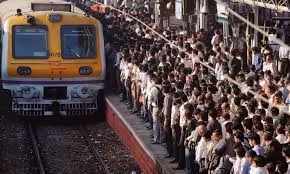
Mumbai’s local trains, the city’s lifeline, have become a source of mounting anxiety and mental stress for millions of daily commuters. Negotiating the dense crowds, unpredictable schedules, and constant jostling, travelers describe the experience as both physically and mentally draining.
“Entering a local train is a skilled experience. You have to use your elbows, knees, and find a place to stand. You have to take care of your pockets, you have to save sweat, and of course, there are little fights,” said Dr. Shetty, highlighting the unique challenges of Mumbai’s crowded rail system.
The Daily Struggle
For many, the morning commute is a battle in itself. Thirty-six-year-old Riya Malvankar, an interior designer from Vasai, faces this ordeal six days a week as she travels between Vasai and Andheri. Her journey is filled with obstacles—sudden platform changes, faulty indicators, and overcrowded compartments—all while balancing household and professional responsibilities. The risks are real: in April 2024, a young commuter tragically lost her life after falling from a packed train, a stark reminder of the dangers inherent in Mumbai’s daily commute.
Mental Health Toll
The psychological impact of these daily struggles is profound. Experts note that the unpredictability and intensity of commuting can lead to chronic stress, anxiety, and even depression. The constant pressure to reach work on time, coupled with the physical fatigue from standing in packed compartments, leaves many commuters exhausted before their workday even begins.
Studies from other Asian cities reinforce these findings. Research from South Korea indicates that individuals with commutes longer than an hour are significantly more likely to experience depressive symptoms compared to those with shorter travel times. The lack of time for rest, hobbies, and family further exacerbates mental health challenges, particularly among low-income and shift workers.
Physical Health Risks
The health risks extend beyond mental well-being. Exposure to air pollution, especially in non-air-conditioned vehicles, increases the likelihood of respiratory and cardiovascular diseases. Long commutes also eat into time for exercise, contributing to weight gain, higher blood pressure, and increased risk of chronic illnesses. Sleep deprivation is another common issue, as commuters wake up early to avoid rush hour, leading to fatigue, reduced attention, and impaired memory.
Calls for Change
Experts urge that improving transportation infrastructure and reducing commute times could significantly enhance the quality of life for Mumbai’s workforce. Providing more support for mental health, encouraging flexible work arrangements, and investing in safer, more efficient public transport are seen as critical steps to address the mounting crisis.
“High-pressure work environments reduce time for rest, relaxation and leisure and ultimately leads to mental ill health and mental distress,” says Prof. Roy Abraham Kallivayalil, Vice President (Asia Pacific), World Federation for Mental Health.
Disclaimer
This article is based on publicly available reports and expert commentary. It is intended for informational purposes only and should not be considered a substitute for professional medical or psychological advice. If you or someone you know is struggling with mental health issues, please seek help from a qualified professional.