 0
0
 0
0
Bhilai, Madhya Pradesh – May 17, 2025:
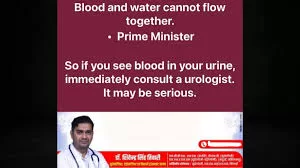
A prominent urologist at Shri Shankaracharya Institute of Medical Sciences (SSIMS), Bhilai, has been suspended for 15 days after a social media advertisement featuring a quote from Prime Minister Narendra Modi went viral, sparking controversy over medical advertising ethics.
The now-viral post, widely circulated on platforms such as WhatsApp and X (formerly Twitter), showed the doctor’s photograph and name alongside the phrase, “Blood and water cannot flow together” – a line originally used by PM Modi in a national address. The doctor adapted the quote to raise awareness about hematuria (blood in urine), urging, “So if you see blood in your urine, immediately consult a urologist. It may be serious.”
Institute Responds Swiftly
The medical college administration took prompt action, issuing a suspension order on May 15, 2025. The official notice described the act as “unwarranted and disgraceful,” emphasizing that such self-promotion is inappropriate for a responsible medical professional. The doctor, who serves as an Associate Professor of General Surgery, has been directed to report daily to the office during the suspension period.
A high-power committee has also been constituted to investigate the matter further and submit its report within 48 hours.
Medical Advertising: What Do the Rules Say?
The incident has reignited debate about doctors’ use of social media for self-promotion. The National Medical Commission (NMC) and the Indian Medical Council’s Professional Conduct, Etiquette and Ethics Regulations, 2002, both prohibit physicians from advertising their services or soliciting patients, either directly or indirectly. These regulations specifically bar the use of a doctor’s name, photograph, or endorsements in any form of advertising.
While the NMC recognizes the benefits of social media for public health education and combating misinformation, it cautions that these platforms must not be used for personal glorification or to attract patients.
Looking Ahead
The outcome of the inquiry at SSIMS will be closely watched by the medical community, as it may set a precedent for how institutions handle similar cases in the future. The case also highlights the ongoing challenges faced by healthcare professionals in balancing public outreach with ethical guidelines.
Disclaimer:
This article is based on information reported by Medical Dialogues as of May 17, 2025. The details provided are for informational purposes only and do not constitute legal or medical advice. For the latest updates, please refer to official statements from the concerned authorities.