 0
0
 0
0
As food manufacturers continue to flood shelves with high-protein versions of everyday products—from milkshakes and granola bars to pancakes and popcorn—nutritionists are cautioning consumers that most people do not need these protein-boosted foods in their diets.
Protein is essential for the growth, repair, and maintenance of muscles, bones, and skin, and it plays a crucial role in countless bodily functions. However, experts like Federica Amati, nutrition lead at Imperial College London and head nutritionist at health science company ZOE, stress that if you’re eating a balanced diet, you’re likely already getting enough protein.
“Adding protein to foods is very beneficial—primarily for the profits of that food,” Amati said. “It is not based on health, it is not backed by science.”
Protein requirements vary by age, body weight, and individual needs, with children and older adults needing particular attention to ensure adequate intake. The body can produce most amino acids—the building blocks of proteins—as long as you’re eating sufficient food overall. However, some essential amino acids must be obtained from the diet.
Despite the marketing hype, most people do not need extra protein from fortified foods or supplements. In fact, overconsumption of protein can be harmful, triggering cellular signals that may increase the risk of cardiovascular and metabolic diseases. Researchers warn that consuming protein in excess of the recommended daily allowance does not further support muscle growth and can have unintended adverse health effects.
Recent studies also suggest that while resistance exercise can mitigate some of the negative effects of a high-protein diet, it does not eliminate all risks, especially regarding blood sugar control. For those leading a sedentary lifestyle, excessive protein intake may increase the risk of heart disease, diabetes, and even premature death.
Takeaway
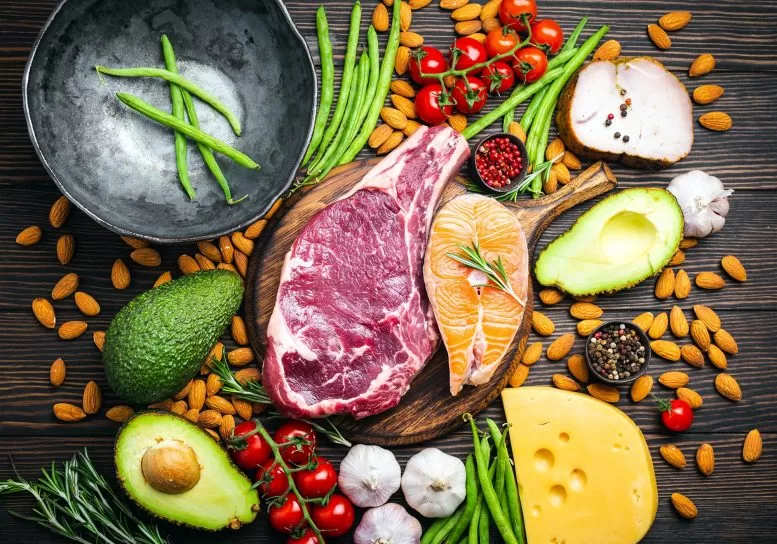
Consumers should prioritize a balanced diet rich in natural protein sources rather than seeking out protein-enriched products, unless advised otherwise by a healthcare professional.
Disclaimer:
This article is for informational purposes only and does not constitute medical advice. Individual nutritional needs vary, and readers should consult a healthcare provider or registered dietitian before making significant changes to their diet or supplement regimen. The views and opinions expressed in this article are those of the cited experts and do not necessarily reflect the official policy or position of any organization.