 0
0
 0
0
Singaporean researchers have uncovered a surprising new role for mosquito saliva in modulating the human immune response during chikungunya virus (CHIKV) infection. This breakthrough, published in Nature Communications in October 2025, challenges prevailing assumptions about mosquito-borne diseases and opens up new possibilities for therapeutic interventions targeting both the transmission and severity of these illnesses.
A multi-institutional team led by Dr. Siew-Wai Fong at the ASTAR Infectious Diseases Labs (ASTAR IDL) in Singapore has discovered that a key protein in mosquito saliva — sialokinin — can actually suppress the body’s initial inflammatory response to chikungunya infection. This research, which involved laboratory, pre-clinical, and observational studies, was published in October 2025 and is seen as pivotal in understanding the complex interplay between mosquito bites and disease outcomes.
Key Findings
-
Sialokinin’s Mechanism: Mosquito saliva contains a vasodilatory peptide known as sialokinin, which binds to neurokinin receptors on immune cells. This interaction suppresses monocyte activation, reducing inflammation during the early phase of chikungunya infection.
-
Implications for Disease Progression: By dampening inflammation, sialokinin allows the virus to spread more efficiently in the body, which could lead to more severe and persistent symptoms, such as joint pain and swelling, commonly associated with chikungunya.
-
Association with Disease Severity: Patients with more severe chikungunya symptoms were found to have higher levels of antibodies against sialokinin, pointing towards a stronger immune reaction to the peptide and its potential role in exacerbating disease severity.
Expert Commentary
Dr. Siew-Wai Fong, Senior Scientist and corresponding author, explained the paradigm shift: “This study provides compelling evidence that mosquito salivary proteins are not just passive carriers of viruses but active modulators of host immunity. Targeting sialokinin or its receptor interactions could represent a novel therapeutic strategy to mitigate inflammation and improve outcomes in CHIKV and potentially other arboviral infections.”
Dr. Anna Visser, infectious disease specialist at Leiden University Medical Center (not involved in the study), remarked, “The immunomodulatory effects of mosquito saliva are a growing area of research. This study marks a significant advance by showing molecular interactions that could be leveraged for new treatments and vaccines.”
Context and Background
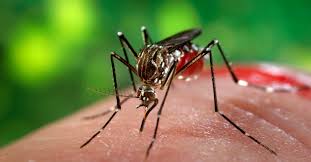
Chikungunya virus is spread by Aedes mosquitoes and causes fever, rash, and severe joint pain, often lasting for months. Historically, mosquito saliva was viewed merely as a vector for transmittal of pathogens. Now, it is increasingly seen as a collection of bioactive molecules that can intricately alter host immune responses.
Researchers used both wild-type and sialokinin knockout mosquitoes on laboratory animals and found marked differences in immune cell activation. The absence of sialokinin increased populations of immune cells crucial for fighting infection, suggesting the peptide acts as a brake on early immune system activation.
Statistical Context
-
Study Scope: Experiments included mouse models with both wild-type and genetically engineered mosquitoes, with immune cell profiling conducted on skin, blood, bone marrow, and spleen after infection.
-
Disease Burden: According to WHO, chikungunya has affected millions globally in recent years, with symptoms persisting for months in many cases.
-
Climate Impact: As climate change expands mosquito habitats, the risk of chikungunya and other arboviral diseases is increasing, underscoring the urgency of such research.
Implications for Public Health
This discovery highlights the potential for developing therapeutic agents that block sialokinin-neurokinin interactions, possibly tempering inflammation and offering relief from the most debilitating symptoms of chikungunya and other related illnesses. Additionally, understanding mosquito saliva’s impact on immunity could guide the creation of vaccines or treatments aimed at both preventing transmission and managing symptoms.
Researchers suggest that public health strategies should not only focus on vector control but may also benefit from targeting the biological consequences of mosquito bites.
Potential Limitations and Counterarguments
-
Laboratory-Driven Evidence: Much of the current data is derived from animal and in vitro studies. Although antibody patterns were confirmed in patients, direct clinical trials on therapeutic interventions have not yet been completed.
-
Complex Disease Pathways: The immune response to chikungunya is multifactorial; sialokinin is one of several bioactive molecules in mosquito saliva, and other components may have competing or complementary actions.
-
Evolution of Evidence: As immunological research advances, additional complexities and exceptions may arise regarding mosquito saliva’s effects across different viruses and populations.
Practical Implications
For healthcare professionals, these findings urge a nuanced approach to diagnosing and managing chikungunya and other mosquito-borne diseases. For the public, it reinforces the importance of mosquito bite prevention, especially in high-risk regions, while offering hope for future treatments that may reduce the burden of long-term symptoms.
Clear definitions:
-
Monocytes: A type of white blood cell involved in immune defense and inflammation.
-
Neurokinin Receptors: Protein targets found on certain immune cells, involved in cell signaling.
-
Sialokinin: A peptide from mosquito saliva, now linked with immunomodulatory effects.
Conclusion
This research underscores how mosquito-borne infections involve more than just viral transmission; the bite itself can shape the immune landscape and influence disease outcomes. The Singapore team’s work on sialokinin signals a new frontier in infectious disease research and therapeutic development, especially as climate change continues to reshape vector dynamics worldwide.
Medical Disclaimer:
This article is for informational purposes only and should not be considered medical advice. Always consult with qualified healthcare professionals before making any health-related decisions or changes to your treatment plan. The information presented here is based on current research and expert opinions, which may evolve as new evidence emerges.
References