 0
0
 0
0
Havana, Cuba – In a stark admission of the deepening health crisis gripping the island nation, Cuban officials confirmed yesterday that 33 people have died from mosquito-borne illnesses in recent months. The announcement comes as a “raging” epidemic affects nearly one-third of the population, overwhelming a healthcare system already shattered by severe economic shortages.
The Breaking News
On Monday, December 1, 2025, Cuba’s Deputy Minister of Health, Carilda Peña, revealed the grim statistics during a press briefing in Havana. Among the 33 fatalities, a heartbreaking 21 were children under the age of 18. The deaths have been attributed primarily to Dengue fever and Chikungunya, two viruses that are currently circulating simultaneously alongside the emerging Oropouche virus, creating a complex “arboviral cocktail” that is proving difficult to manage.
“The epidemic is raging,” Peña stated, acknowledging that infection rates have surged to unprecedented levels. Official reports indicate that the combined outbreak has touched at least a third of the island’s 11 million residents, a scale of infection that suggests millions of active or recent cases.
A Perfect Storm of Infection
The surge in cases is not an isolated biological event but the result of a collapsing infrastructure. Cuba is currently enduring one of the worst economic crises in its history, marked by acute shortages of fuel, food, and essential medicines.
-
Vector Control Collapse: The fuel shortage has grounded fumigation trucks (“bazookas”) that were once a staple of Cuban public health campaigns.
-
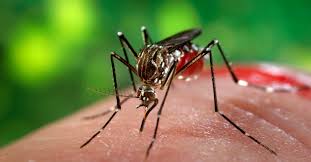
Sanitation Crisis: A lack of resources has halted regular trash collection, leading to accumulating waste in the streets—perfect breeding grounds for the Aedes aegypti mosquito.
-
Climate Factors: The outbreak follows the devastation of Hurricane Melissa in October 2025, which left standing water and damaged housing across the eastern provinces, further amplifying mosquito proliferation.
The Viral Culprits: A Deadly Trio
Health authorities warn that the co-circulation of three distinct viruses is complicating diagnosis and treatment.
-
Dengue Fever: Long endemic in Cuba, Dengue can progress to a severe hemorrhagic form. Officials confirmed 12 of the reported deaths were directly caused by Dengue.
-
Chikungunya: Responsible for 21 of the confirmed deaths, this virus causes debilitating joint pain. Once considered rare on the island, it has spread aggressively in late 2024 and throughout 2025.
-
Oropouche Virus: While not cited as the primary cause of the 33 deaths, the Oropouche virus—spread by midges and mosquitoes—has been confirmed in all 15 provinces. Often mistaken for Dengue, it adds a layer of complexity to the clinical picture, with symptoms including sudden high fever and severe headache.
Expert Perspectives
Dr. Elena Rodriguez, an infectious disease specialist and former advisor to the Pan American Health Organization (PAHO), who is not involved in the current government response, highlights the severity of the pediatric mortality rate.
“To lose 21 children to preventable mosquito-borne diseases is a red flag of the highest order,” Dr. Rodriguez explains. “Chikungunya is typically rarely fatal in healthy children. These deaths suggest a population that is likely immunocompromised by malnutrition or lacks access to supportive care like hydration and fever management due to medical shortages.”
The situation is exacerbated by the lack of specific antiviral treatments for these diseases. Management relies entirely on supportive care—fluids and pain relief—which are currently in short supply in Cuban pharmacies and hospitals.
Public Health Implications
For the general public, the implications are immediate and severe. The risk of infection is ubiquitous, and the safety net of the healthcare system is porous.
-
Diagnostic Challenges: With limited testing kits, many patients are diagnosed based on symptoms alone (“clinical diagnosis”), which can lead to mistreatment if a patient has Dengue (where aspirin must be avoided) versus another viral fever.
-
Home Care Risks: Due to hospital overcrowding, many families are caring for sick relatives at home without access to electrolytes or fever reducers.
Limitations and Counterarguments
While the government has admitted to 33 deaths, independent observers warn the true toll could be higher. “Official statistics in crisis zones often lag behind reality,” notes the MitKat Advisory group, which monitors global health security. Furthermore, the government attributes the crisis largely to the U.S. embargo limiting access to resources, a point of political contention. However, critics argue that internal mismanagement of the limited available resources has worsened the sanitation collapse.
What You Can Do
Despite the structural challenges, health experts recommend the following precautions for residents and travelers in the region:
-
Eliminate Standing Water: Even a bottle cap of water can breed mosquitoes.
-
Barrier Protection: Use mosquito nets, especially for children and during daytime naps (since Aedes bites during the day).
-
Symptom Watch: Seek medical help immediately if you observe warning signs of severe Dengue, such as severe abdominal pain, persistent vomiting, or bleeding gums.
Medical Disclaimer:
This article is for informational purposes only and should not be considered medical advice. Always consult with qualified healthcare professionals before making any health-related decisions or changes to your treatment plan. The information presented here is based on current research and expert opinions, which may evolve as new evidence emerges.
References
-
Reuters / Strait Times. (2025, December 2). Cuba says 33 have died of mosquito-borne illnesses as epidemic rages. Retrieved from Reuters/Strait Times.