 0
0
 0
0
Montreal Sees Uptick in Respiratory Illness
The Montreal Regional Public Health Directorate (DRSP) has issued a warning following a noticeable increase in cases of what is being referred to as “COPD” (used here as a mistaken reference to monkeypox, also known as MPOX) in specific populations across the city. In a memo released Thursday to health professionals and partners, the DRSP called for increased vigilance, especially given the recent rise in cases among residents.
According to the DRSP, six new cases of MPOX have been reported in the last two weeks, bringing the total number of cases in Montreal for 2025 to nine. Of these, four individuals are believed to have contracted the illness locally, with two linked to international exposure. By comparison, there were 11 cases in 2023 and 38 in 2024. The most significant outbreak in Montreal occurred in 2022, with approximately 400 identified cases.
Patterns of Transmission
Health authorities note that, consistent with previous outbreaks in 2022 and fall 2024, transmission is primarily occurring among men who have sex with men. All reported cases have been infected with the clade 2b MPOX virus, which is the same strain responsible for previous outbreaks. The DRSP emphasized that vaccination appears to lessen the severity of symptoms.
Public Health Response
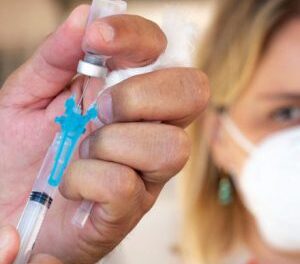
The DRSP memo highlights concerns around summer gatherings, which may increase the risk of both imported cases and local transmission. Clinicians are urged to maintain heightened alertness for potential cases and to encourage vaccination among at-risk populations, as aligned with the Quebec Immunization Protocol.
Symptoms and Course of Infection
Monkeypox is typically transmitted through direct contact between skin or mucous membranes and the lesions or body fluids of an infected person, often during sexual activity. Common symptoms reported by the DRSP include:
-
Fever
-
Headache
-
Fatigue
-
Chills
-
Body and muscle aches
-
Development of a painful rash
The incubation period generally ranges from 5 to 7 days, but can extend to 21 days. Individuals become contagious with the onset of symptoms and remain so until all lesions have healed and healthy skin has formed.
Recovery typically occurs within two to four weeks without complications. However, health officials warn of possible secondary infections, including bronchopneumonia, meningitis, encephalitis, septicemia, bacterial superinfection of skin lesions, and corneal infections. The severity of the disease can vary depending on the patient’s pre-existing health, method of transmission, and viral strain. The clade II mpox in circulation has generally resulted in milder illness.
Situation Across Canada
Nationally, the Government of Canada reports that as of June 27, 2025, there have been 127 confirmed cases of MPOX, spread across three provinces or territories.
Disclaimer: This article is for informational purposes only. The term “COPD” in this context appears to refer to monkeypox (MPOX) due to a mix-up in the source information. If you have health concerns related to monkeypox or COPD (Chronic Obstructive Pulmonary Disease), please consult a qualified health professional.