 0
0
 0
0
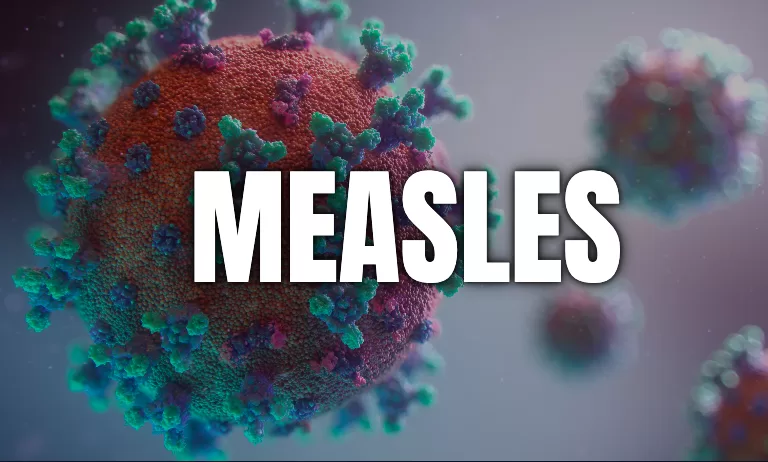
Mongolia, a Central Asian country bordering China, is grappling with a significant measles outbreak, with 232 new cases reported in the past 24 hours. According to the National Centre for Communicable Diseases (NCCD), the total number of infections has now reached 10,065, while 260 additional recoveries bring the total number of recovered patients to 8,405.
The NCCD highlighted that the majority of new cases are among school-aged children who have received only one dose of the measles vaccine. In response, health authorities are urging families to ensure their children complete the recommended two-dose vaccination schedule to provide effective protection against the highly contagious virus.
Measles, as defined by the World Health Organization (WHO), is a viral disease that spreads through respiratory droplets when an infected person coughs, sneezes, or breathes. The illness primarily affects children but can also pose severe risks to unvaccinated individuals and those with weakened immune systems. Symptoms typically include high fever, cough, runny nose, and a rash that spreads across the body. Serious complications can arise, such as pneumonia, encephalitis, and even death.
Despite the availability of a safe and affordable vaccine, measles remains a deadly threat in regions with limited healthcare access. In 2023, the disease claimed approximately 107,500 lives globally, most of them children under five years old. Mongolia’s outbreak is particularly severe in areas with insufficient health facilities, prompting calls from experts for accelerated vaccination campaigns to curb the spread.
The NCCD has warned that unvaccinated children and pregnant women are at the highest risk of contracting measles. Health officials continue to stress the importance of vaccination, noting that two doses of the vaccine are highly effective in preventing the disease and its complications.
“Without high vaccination rates, there is no health security,” said Dr. Hans Kluge, WHO’s Europe director, emphasizing the need for robust immunization efforts.
Disclaimer
This article is based on information available as of June 28, 2025, and draws primarily from the National Centre for Communicable Diseases and World Health Organization statements. For the latest updates and medical advice, consult official health authorities and trusted news sources.