 0
0
 0
0
ULANBAATAR, Mongolia — Health authorities in Mongolia are on high alert as the nation grapples with a significant surge in measles cases, a development that has sent ripples through the Western Pacific’s public health community. After years of successful containment, the resurgence of this highly contagious viral respiratory infection is prompting a massive mobilization of medical resources and a nationwide call for parents to ensure their children are fully immunized.
The outbreak, which began gaining momentum in late 2024 and has intensified in the opening weeks of 2025, marks a concerning shift for a country that was once hailed for its robust immunization coverage. According to reports from the Mongolian Ministry of Health and regional monitoring by the World Health Organization (WHO), the current spike involves hundreds of confirmed cases, primarily concentrated in the capital city of Ulanbaatar and several surrounding provinces (aimags).
The Mechanics of an Outbreak: Why Now?
Measles is one of the most infectious diseases known to science; a single infected person can spread the virus to up to 18 unvaccinated individuals. While Mongolia achieved “measles-free” status in the past, health experts point to a “perfect storm” of factors that allowed the virus to regain a foothold.
“The primary driver we are seeing is a decline in routine immunization coverage, which was exacerbated by the disruptions of the COVID-19 pandemic,” says Dr. Sarah Thompson, an epidemiologist specializing in infectious diseases in Central Asia (who is not affiliated with the Mongolian government). “When the ‘herd immunity’ threshold—typically 95% for measles—dips even slightly, the virus finds pockets of vulnerable individuals, particularly young children and infants who haven’t yet reached the age for their first dose.”
In Mongolia, the National Center for Communicable Diseases (NCCD) has identified that a significant portion of the current cases involve children under the age of five, as well as young adults who may have missed their second “booster” dose during previous years of social or economic transition.
The Clinical Reality: More Than Just a Rash
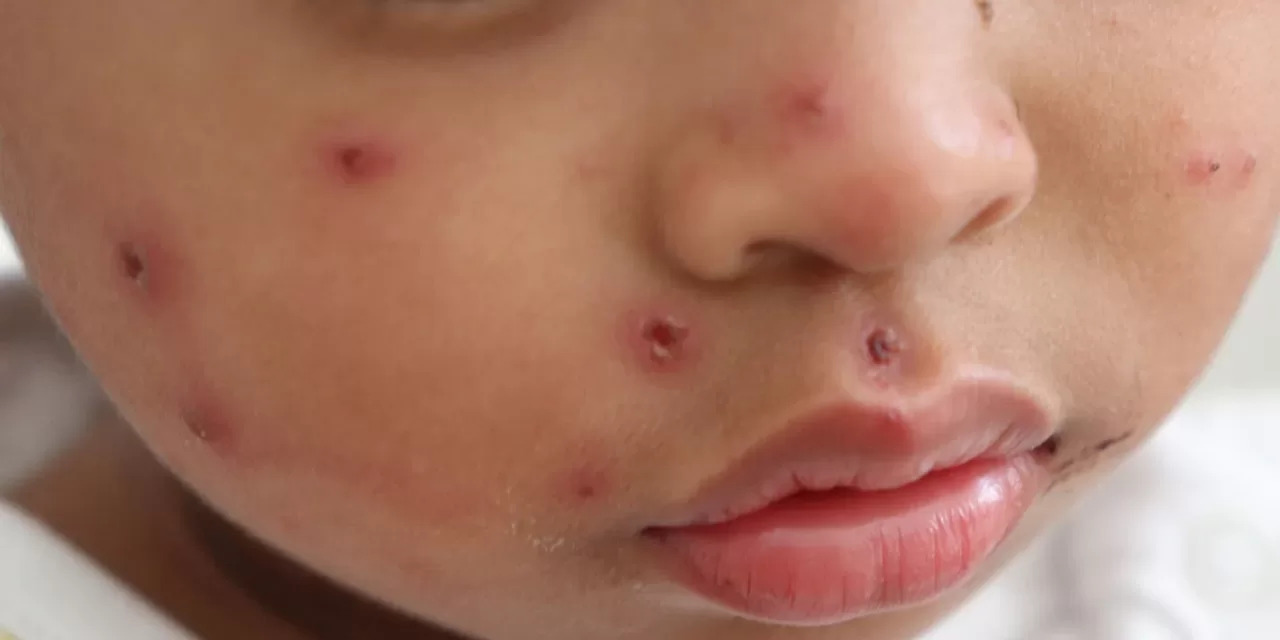
For many, measles is mistakenly viewed as a mild childhood rite of passage. However, medical professionals warn that the reality is far more dangerous. The virus causes a high fever, cough, runny nose, and conjunctivitis (pink eye), followed by a characteristic maculopapular rash.
The danger lies in the complications. According to the Centers for Disease Control and Prevention (CDC), about one out of every 20 children with measles gets pneumonia, the most common cause of death from measles in young children. About one in 1,000 children will develop encephalitis (swelling of the brain), which can lead to permanent neurological damage.
“We are treating patients who aren’t just dealing with a fever; they are fighting severe respiratory distress and secondary bacterial infections,” notes a frontline pediatrician at the NCCD in Ulanbaatar. “The strain on our pediatric wards is a stark reminder that this is a preventable crisis.”
Statistical Context: A Regional Concern
The surge in Mongolia is not an isolated event but reflects a global trend. The WHO and UNICEF recently reported a 20% increase in measles cases worldwide in 2023-2024, driven by “immunity gaps.”
In Mongolia, the surge is particularly striking because of the country’s geography and nomadic traditions. While the urban centers see rapid transmission due to population density, reaching remote nomadic communities for emergency vaccination campaigns presents a significant logistical hurdle. Current estimates suggest that over 90% of the new cases are among the unvaccinated or those with an unknown vaccination status.
Public Health Response and Expert Commentary
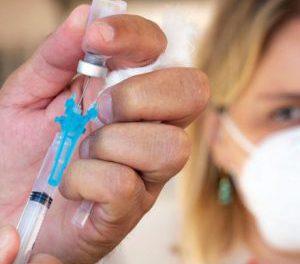
The Mongolian government has responded by launching “catch-up” vaccination drives. Health workers are visiting schools, kindergartens, and shopping malls to administer the Measles-Mumps-Rubella (MMR) vaccine.
“The only way to extinguish this fire is through the vaccine,” says Dr. Ariunbold Batsaikhan, a public health consultant. “We are seeing some vaccine hesitancy fueled by misinformation on social media, which is a new challenge for us. We must emphasize that the MMR vaccine has been used safely for decades and is the most effective tool we have.”
Experts also highlight the “immunity debt” hypothesis. During the COVID-19 lockdowns, children were not exposed to common viruses, and routine check-ups were frequently missed. As society fully reopened, the measles virus—likely imported via international travel—found a population with weakened collective defenses.
Practical Implications for the Public
For residents of Mongolia and travelers to the region, the advice from health authorities is clear:
-
Check Records: Ensure children have received both doses of the MMR vaccine (usually given at 9-12 months and again at 2-6 years).
-
Monitor Symptoms: If a child develops a high fever and a rash, isolate them immediately and contact a healthcare provider via phone before visiting a clinic to prevent spreading the virus in waiting rooms.
-
Adult Vaccination: Adults who are unsure of their vaccination history should consult a doctor; a booster dose is safe and highly recommended for those in high-risk environments.
Limitations and the Path Forward
While the current vaccination drive is aggressive, officials admit that it will take months to stabilize the situation. One limitation is the “incubation period”—the 10 to 14 days after exposure before symptoms appear. This means that even as vaccination rates rise, case numbers may continue to climb in the short term as previously infected individuals become symptomatic.
Furthermore, there is a need for better genomic sequencing to determine if the strain currently circulating in Mongolia is linked to recent outbreaks in neighboring Russia or China, which would help in coordinating a regional response.
As Mongolia fights this resurgence, the situation serves as a global case study in the fragility of public health achievements. “Eradicating a disease is a marathon, not a sprint,” says Dr. Thompson. “The moment we stop running—the moment we let vaccination rates slip—the virus starts catching up.”
Medical Disclaimer: This article is for informational purposes only and should not be considered medical advice. Always consult with qualified healthcare professionals before making any health-related decisions or changes to your treatment plan. The information presented here is based on current research and expert opinions, which may evolve as new evidence emerges.
References
-
Lokmat Times: International Report on Mongolia Measles Surge (Ref: lokmattimes.com).