 0
0
 0
0
Moderna and Merck announced promising five-year data from a phase 2b trial showing their investigational mRNA-based vaccine, intismeran autogene (mRNA-4157/V940), combined with Keytruda (pembrolizumab), reduces the risk of recurrence or death by 49% in patients with high-risk resected melanoma compared to Keytruda alone. The results, revealed on January 20, 2026, build on earlier findings and bolster hopes for personalized cancer therapies. This development comes amid ongoing phase 3 trials, potentially transforming adjuvant treatment for melanoma.
Trial Design and Key Findings
The KEYNOTE-942 trial, an ongoing randomized open-label phase 2b study, enrolled 157 patients with high-risk stage III/IV melanoma following complete surgical resection. Patients received either the vaccine (1 mg every three weeks for nine doses) plus Keytruda (200 mg every three weeks for up to 18 cycles, about one year) or Keytruda alone, stratified 2:1 by stage. At five years, the combination achieved a hazard ratio (HR) of 0.510 (95% CI, 0.294-0.887) for recurrence-free survival (RFS), matching the 49% risk reduction seen at three years (HR 0.51).
Earlier data showed 44% risk reduction at two years and consistent benefits across subgroups like PD-L1 status, tumor mutational burden, and ctDNA levels. Median overall survival remains unreached in both arms, with an encouraging HR of 0.425 (95% CI, 0.114-1.584). Full details, including distant metastasis-free survival, await presentation at a medical meeting.
How the Vaccine Works
Intismeran autogene is an individualized neoantigen therapy, using synthetic mRNA encoding up to 34 patient-specific neoantigens derived from the tumor’s DNA sequence. This personalized approach trains T-cells to recognize and attack cancer cells expressing those neoantigens, potentially providing durable responses by reprogramming the immune system. Combined with Keytruda, a PD-1 inhibitor that blocks immune brakes, the therapy enhances anti-tumor activity without new safety signals; immune-related adverse events occurred in 36% of both arms.
The U.S. FDA granted breakthrough therapy designation based on prior data, highlighting its potential over standard care. Preclinical studies support T-cell persistence, explaining the sustained benefit observed.
Expert Commentary
Jeffrey S. Weber, MD, PhD, from the trial, noted at prior updates: “mRNA-4157 plus pembrolizumab demonstrated a durable clinically significant improvement in RFS and DMFS compared with standard-of-care pembrolizumab in high-risk resected melanoma, with a 49% reduction in the risk of recurrence or death and a 62% reduction of distant recurrence or death with 3 years of follow-up.” Moderna CEO Stéphane Bancel emphasized durability at the 2026 J.P. Morgan Healthcare Conference, citing T-cell reprogramming evidence.
Eliav Barr, MD, senior VP at Merck, stated: “These -year follow up data are encouraging and we look forward to late-stage data from the INTerpath clinical development program with Moderna, across a range of tumor types where significant unmet needs remain.” Independent oncologist Dr. Jason Luke (not involved) has previously called such neoantigen vaccines a “paradigm shift” for precision oncology, though he stresses phase 3 confirmation. William Blair analyst Myles Minter interpreted the plateaued benefit as evidence of long-lasting tumor control.
Melanoma Context and Public Health Impact
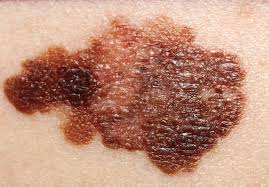
Melanoma, the deadliest skin cancer, affects over 100,000 Americans yearly, with high-risk resected stage III/IV cases recurring in up to 50% despite adjuvant therapies like Keytruda, approved based on four-year RFS data. Current standards—checkpoint inhibitors or targeted therapies—improve outcomes but leave unmet needs, especially for distant metastases. Globally, incidence rises with UV exposure, prompting public health campaigns on sun protection.
If validated in phase 3, this could prevent thousands of recurrences annually, reducing healthcare burdens and improving quality of life for survivors. The fully enrolled phase 3 adjuvant melanoma trial expects event-driven interim data in 2026, with additional trials in lung cancer and other tumors. For patients, it means discussing neoantigen testing post-surgery with oncologists, though availability awaits approval projected for 2027.
Limitations and Future Directions
Phase 2b data, while robust, involves 157 patients and requires phase 3 validation in larger cohorts for OS and diverse populations. Manufacturing individualized vaccines poses scalability challenges, and costs could limit access initially. No new safety issues emerged, but long-term monitoring continues. Critics note consistency with prior readouts suggests early responders drive benefits, needing broader subgroup analysis.
Ongoing INTerpath-001 phase 3 trial and expansions to NSCLC signal broader potential, but experts urge caution until full publications. This advances mRNA tech beyond COVID vaccines, pioneered in Moderna’s platform.
Practical Implications for Readers
High-risk melanoma patients should adhere to surveillance and sun avoidance, as no therapy guarantees cure. Discuss emerging options like neoantigen vaccines with dermatologists or oncologists, especially if eligible for trials. Healthy individuals benefit from UV protection (SPF 30+, shade, clothing), self-exams, and AI skin apps for early detection, cutting mortality by 90% if caught early. Stay informed via NCCN guidelines, but prioritize evidence-based care.
Medical Disclaimer: This article is for informational purposes only and should not be considered medical advice. Always consult with qualified healthcare professionals before making any health-related decisions or changes to your treatment plan. The information presented here is based on current research and expert opinions, which may evolve as new evidence emerges.
References
-
Choudhury, K., & Sunny, M. E. (2026, January 20). Moderna, Merck’s skin cancer vaccine shows sustained benefit after five years. Reuters. https://www.reuters.com/business/healthcare-pharmaceuticals/moderna-mercks-skin-cancer-vaccine-shows-sustained-benefit-after-five-years-2026-01-20/[reuters]