 0
0
 0
0
Mumbai, May 20: As urban life accelerates and air pollution continues to choke city dwellers, a centuries-old Japanese tradition is emerging as a beacon of hope for stressed, breathless populations worldwide. Known as Shinrin-yoku, or forest bathing, this practice is now gaining traction among health professionals for its proven mental and physical health benefits.
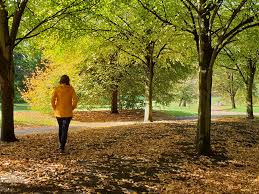
First introduced in Japan in the 1980s as a public health measure, forest bathing has evolved into a global wellness phenomenon. Unlike its name suggests, forest bathing involves no water. Instead, it encourages individuals to immerse themselves in a natural woodland environment—mindfully absorbing the sights, sounds, and scents of the forest, free from gadgets and daily pressures.
“Forest bathing is not about exercise or adventure,” explains Dr Sameer Jadhav, a Mumbai-based pulmonologist. “It’s about slowing down, observing, breathing, and letting nature work its magic on your body and mind. In my clinical experience, this practice brings visible relief to patients suffering from respiratory and stress-related disorders.”
Scientific research supports these claims. Studies have shown that trees emit phytoncides—organic compounds that boost the body’s natural killer (NK) cell activity, a crucial part of the immune system’s defense against infections and even certain cancers. Forest environments have also been found to reduce blood pressure, heart rate, and stress hormones such as cortisol, contributing to better cardiovascular health and stress management.
“Forest air is remarkably clean,” Dr Jadhav notes. “It lacks the particulate matter and chemical pollutants found in urban settings, making it easier for patients with asthma, COPD, and post-viral lung issues to breathe better. Often, just a 30-minute walk in a wooded area leads to fewer symptoms and improved mood.”
Beyond physiological benefits, forest bathing activates the parasympathetic nervous system, encouraging deep relaxation and reducing anxiety. Studies indicate that this sensory immersion not only lowers stress but also enhances self-compassion and reduces negative repetitive thinking.
Dr Jadhav emphasizes that even in a city like Mumbai, where dense forests are scarce, local parks, gardens, and tree-lined streets can offer similar benefits. “Spend 20 to 30 minutes a few times a week in any green zone. The idea is to unplug from the chaos, breathe deeply, and connect with your surroundings. The body responds, often quicker than expected,” he says.
As more Indians grapple with chronic stress and respiratory ailments, Shinrin-yoku offers a natural, side-effect-free intervention that is accessible to all. “In the lap of nature, we don’t just find peace,” Dr Jadhav concludes, “we find breath, balance, and belonging. It’s time we all returned—not to the forest, but to ourselves.”
Disclaimer: While scientific studies suggest multiple benefits of forest bathing, more rigorous research is needed to fully understand its effects. Forest bathing should not replace medical treatment for respiratory or mental health conditions. Individuals with health concerns should consult a healthcare professional before undertaking new wellness practices.