 0
0
 0
0
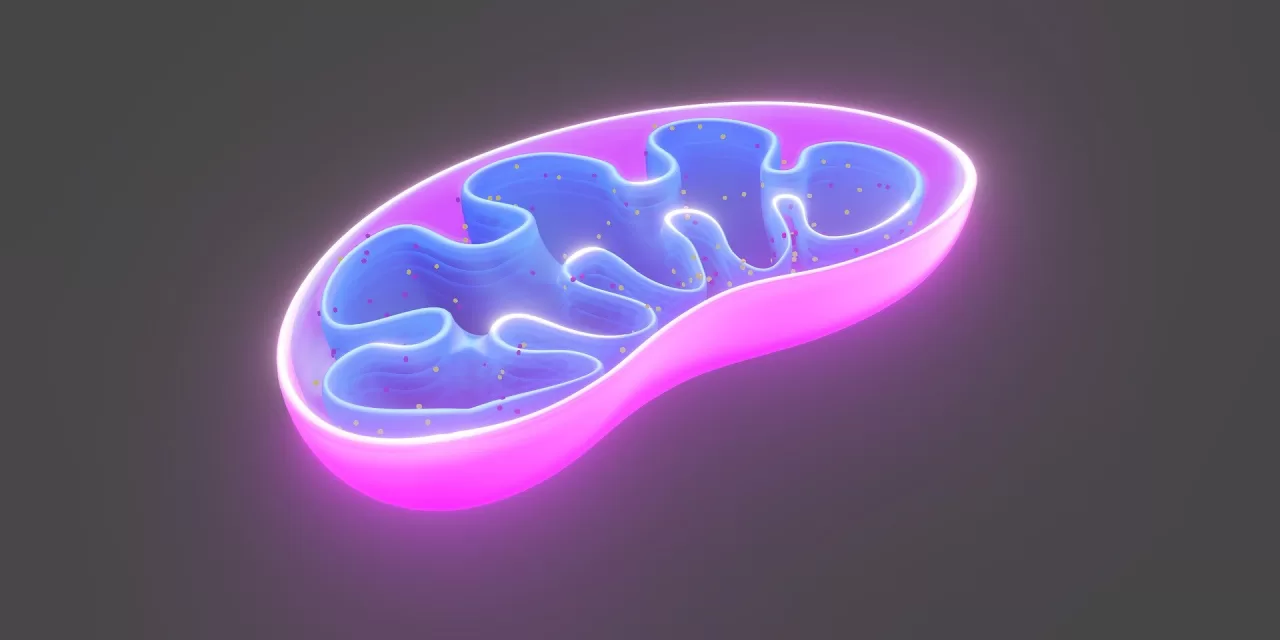
Mitochondria may be the spark that ignites Parkinson’s disease, according to compelling new research from a study led by Dr. Ken Nakamura. This study, published in 2025, uses a unique mouse model carrying a rare inherited form of Parkinson’s disease (PD) that closely mirrors the late-onset form affecting roughly 90% of patients. The research reveals how mitochondrial dysfunction sets off a cascade of cellular events culminating in PD pathology, highlighted by the accumulation of the alpha-synuclein protein in brain neurons.
Key Findings
The scientists employed a novel CHCHD2 mouse model to observe step-by-step how failing mitochondria lead to Parkinson’s disease. In vulnerable dopamine-producing brain cells, mitochondrial proteins, notably CHCHD2, accumulate alongside early alpha-synuclein aggregates. This protein build-up forms Lewy bodies, the pathological hallmark seen in nearly all PD patients. The study provides robust evidence that mitochondrial protein disruption is a direct cause of the disease, not merely a byproduct.
Dr. Kohei Kano, co-first author and postdoctoral fellow in Nakamura’s lab, emphasized the significance of observing this cascade from mitochondrial failure to pathological protein aggregation. The researchers also corroborated their findings by examining post-mortem brain tissues from sporadic Parkinson’s patients, confirming mitochondrial protein involvement in typical PD cases.
Expert Perspectives
Dr. Nakamura commented, “This mouse model provides some of the most compelling evidence to date for how mitochondrial dysfunction can cause typical late-onset Parkinson’s disease.” He further highlights that while CHCHD2 disruption is a key mechanism, other triggers could contribute similarly by inducing mitochondrial damage, energy deficits, oxidative stress, and protein aggregation.
Additional perspectives from the scientific community reiterate the central role of mitochondria. Oxidative stress caused by mitochondrial dysfunction damages neurons, accelerating their degeneration—a widely recognized pathogenic mechanism in PD. Studies also show that mutations in mitochondrial quality control genes such as PINK1 and Parkin exacerbate this dysfunction, leading to impaired mitophagy—the process clearing damaged mitochondria—increasing neuronal vulnerability.
Context and Background
Parkinson’s disease is a neurological disorder marked primarily by the loss of dopamine-producing neurons in the brain, leading to motor symptoms such as tremors, rigidity, and slowed movement. While genetic forms of PD account for a minority of cases, about 90% are sporadic and late-onset, with complex etiologies.
Mitochondria generate the energy cells need to function and maintain health. When mitochondria fail, neurons, which have high energy demands, suffer from energy depletion and accumulate reactive oxygen species (ROS), leading to oxidative damage. The new study delineates this connection, showing how mitochondrial dysfunction precedes—and likely initiates—the alpha-synuclein pathology fundamental to PD.
Implications for Public Health
Understanding mitochondrial dysfunction as a root cause provides promising avenues for early interventions in PD. If mitochondrial failure can be detected or prevented, it may be possible to slow or halt disease progression before substantial neuronal loss occurs.
The researchers suggest that drugs aimed at reducing reactive oxygen species and supporting mitochondrial energy production could disrupt the pathological chain reaction. This approach could complement current PD therapies that primarily address symptoms, potentially leading to disease-modifying treatments in the future.
Limitations and Counterarguments
Despite the groundbreaking nature of this research, several caveats apply. The study is primarily based on a mouse model and post-mortem human tissues; translating these findings into effective human therapies requires cautious validation through clinical trials. Moreover, Parkinson’s disease is multifactorial, with environmental factors and other biological pathways also contributing.
Additionally, while mitochondrial dysfunction is critical, it may not be the sole driving force in all PD cases. Scientists acknowledge that multiple interacting triggers might converge on similar pathogenic pathways, demanding a holistic approach to treatment development.
Practical Takeaways for Readers
For the general public and those at risk of Parkinson’s disease, these findings underscore the importance of mitochondrial health. Lifestyle choices that support mitochondrial function—such as regular exercise, balanced nutrition rich in antioxidants, and avoiding toxins—may contribute to brain health and reduce PD risk.
For healthcare professionals, mitochondrial biomarkers might become valuable tools for early diagnosis and personalized treatment strategies as research advances. Meanwhile, patients and caregivers should stay informed about emerging therapies targeting this new biological frontier.
Medical Disclaimer
Medical Disclaimer: This article is for informational purposes only and should not be considered medical advice. Always consult with qualified healthcare professionals before making any health-related decisions or changes to your treatment plan. The information presented here is based on current research and expert opinions, which may evolve as new evidence emerges.
References