 0
0
 0
0
Prime Minister Narendra Modi recently reinforced the government’s commitment to combating malnutrition in India through Mission Saksham Anganwadi and Poshan 2.0, flagship programs designed to improve nutritional outcomes for children, adolescent girls, pregnant women, and lactating mothers. These initiatives, implemented nationwide through the extensive network of nearly 14 lakh Anganwadi centres, represent a strategic effort to address malnutrition with enhanced nutrition services, technology-driven monitoring, and community engagement.
Tackling Malnutrition:
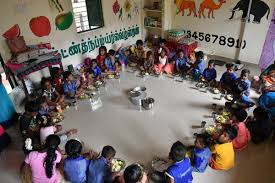
On August 16, 2025, PM Modi underscored the importance of these government schemes, praising the efforts conveyed by Union Minister for Women and Child Development, Annpurna Devi. Through coordinated nutrition support delivered at the grassroots via Anganwadi centres, millions of beneficiaries receive supplementary nutrition, education, and wellness interventions aimed at breaking the intergenerational cycle of malnutrition that has long plagued India. The commitment spans across the country, reaching over 10 crore beneficiaries including children aged 0-6 years, adolescent girls, pregnant women, and lactating mothers.
Key Developments and Program Features
Mission Saksham Anganwadi and Poshan 2.0 build on previous nutrition schemes like POSHAN Abhiyaan and the Integrated Child Development Services (ICDS), reorganizing and strengthening the architecture of nutrition delivery from 2021 through 2025-26. The program focuses on:
-
Enhanced Nutrition Content and Delivery: Fortified foods such as fortified rice and millets are introduced for better micronutrient supplementation, including iron, folic acid, and B12 to combat anemia and micronutrient deficiencies.
-
Technology-Driven Monitoring: The ‘Poshan Tracker’ is a centralized ICT system linked with the Ministry of Health’s portals to provide real-time data on nutrition service delivery and child health indicators, enabling timely interventions.
-
Behavioral Change Campaigns: ‘Jan Andolan’ involves extensive awareness activities promoting nutrition education and healthy eating habits through community events like Poshan Maah and Poshan Pakhwada.
-
Upgradation of Anganwadi Centres: About 1.7 lakh Anganwadi centres are being transformed into “Saksham Anganwadis,” emphasizing early childhood care, education, and nutritional support in conducive environments.
Expert Perspectives on Impact and Challenges
While the program signifies a comprehensive strategy, experts highlight persistent challenges. According to the latest Poshan Tracker data (June 2025), malnutrition remains a significant public health concern — 5.46% of children under five were wasted (low weight-for-height), and 15.93% were underweight (low weight-for-age). States like Bihar, Madhya Pradesh, and Jharkhand report some of the highest rates of undernutrition, reflecting regional disparities.
Dr. Meena Sharma, a public health nutritionist not affiliated with the government programs, comments, “Mission Poshan 2.0’s integration of technology and community engagement is promising, but addressing deep-rooted socio-economic factors and ensuring consistent quality at Anganwadi centres are critical for sustained impact.”
Academic findings also note that while Anganwadi centres have been effective in growth monitoring and providing access to health services, their impact on improving nutritional status has been mixed. Studies report challenges such as insufficient supplementary nutrition quality, lack of nutrition education outreach, and food distribution inconsistencies whereby Anganwadi meals often replace rather than supplement home meals, limiting nutritional gains.
Context and Background on Malnutrition in India
India continues to face a complex nutrition landscape marked by both undernutrition and emerging overweight issues. Approximately 42.9% of the population cannot afford a healthy diet, and over 53.7% of women aged 15-49 suffer from anemia, ranking India fourth globally in anemia prevalence. Child wasting and stunting remain critical concerns, with India holding the world’s highest child wasting rate at 18.7%, affecting over 21 million children under five.
The intergenerational impact of maternal nutrition on child health underscores why programs targeting adolescent girls, pregnant, and lactating women are pivotal. Poshan 2.0’s life-cycle approach aims to intervene early and comprehensively to prevent malnutrition from infancy through adolescence.
Public Health Implications and Practical Takeaways
For the general public, these programs highlight the importance of:
-
Nutrition Awareness: Encouraging diversified diets rich in micronutrients through locally available foods.
-
Community Participation: Engaging with Anganwadi programmes for accessing supplementary nutrition and child development services.
-
Monitoring Growth and Health: Regular check-ups and nutrition tracking facilitated by Anganwadi workers and health staff.
-
Advocating for Quality Services: Demanding consistent supply of fortified, balanced supplementary meals and nutrition education from local centres.
Limitations and Balanced Viewpoints
Although Mission Saksham Anganwadi and Poshan 2.0 present a robust framework, limitations persist due to infrastructural gaps, regional inequalities, and behavioral barriers. Reports caution that supplementary nutrition should complement, not replace home diets. Additionally, issues like staff training, corruption in food distribution, and technology access in remote areas challenge uniform program success.
Hence, continuous evaluation, capacity building of frontline workers, and fostering community ownership remain crucial components to elevate outcomes.
Medical Disclaimer
This article is for informational purposes only and should not be considered medical advice. Always consult with qualified healthcare professionals before making any health-related decisions or changes to your treatment plan. The information presented here is based on current research and expert opinions, which may evolve as new evidence emerges.
References
-
Ministry of Women and Child Development. “Operational Guidelines on Saksham Anganwadi and Poshan 2.0.” Government of India, 2022. https://wcd.nic.in/acts/guidelines-mission-saksham-anganwadi-and-poshan-20pib+1