 0
0
 0
0
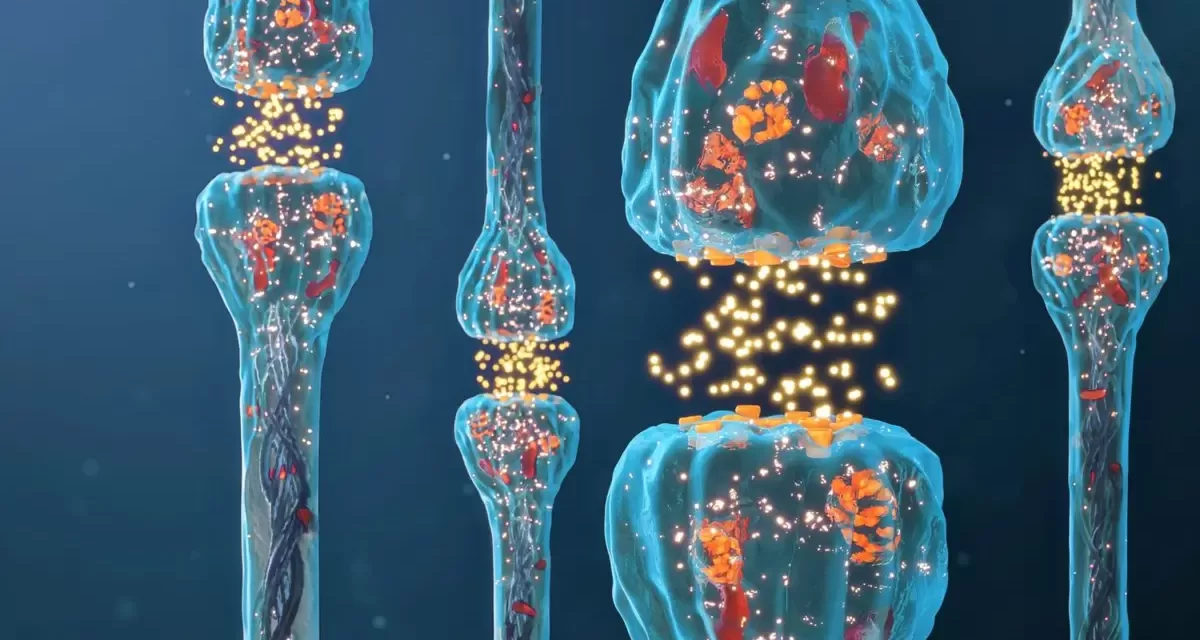
In a peer-reviewed study published in ACS Sensors and supported by related research in neurodegenerative disease modeling, scientists have successfully created human brain organoids—miniature three-dimensional brain tissues derived from human stem cells. These organoids generate natural electrical activity akin to real neurons, establishing a novel platform to study neurological disorders such as Alzheimer’s disease and epilepsy. Unlike traditional models using animals, these organoids mimic human brain biology more closely and allow for detailed examination of disease mechanisms and drug testing. This breakthrough not only offers a more ethical research method but also promises deeper insights into brain function and neurodegenerative diseases.
Spider Silk-Inspired Gloves: Revolutionizing Wound Healing
Drawing inspiration from the unique weaving motion and mechanical properties of spider silk, engineers have developed a glove capable of spinning ultra-thin polymer fibers directly onto human skin. This “spider glove” forms a protective, flexible layer over wounds that accelerates healing while preventing infections. The technology could be transformative for emergency medicine, especially in remote or disaster-affected areas where immediate wound care is critical. Researchers at Arizona State University, among others, have illuminated how silk proteins’ unique biochemical and physical properties can be harnessed to create sustainable, biocompatible wound dressings that outperform conventional materials.
Edible Coatings from Wolf Apple Starch: Tackling Food Waste Sustainably
In Brazil, scientists have developed an edible coating derived from wolf apple starch that preserves vegetables such as baby carrots for up to 15 days at room temperature. This coating acts as a semi-permeable barrier reducing moisture loss and bacterial growth without compromising safety for human consumption. By extending shelf life without refrigeration, this innovation could significantly reduce food waste while ensuring fresh produce remains accessible in areas lacking reliable cold storage. Such advances in biopolymer coatings reflect growing research into natural, eco-friendly alternatives to synthetic food packaging.
Microplastics in Human Eyes: Emerging Health Concerns
A startling discovery emerged from post-mortem examinations revealing microplastic particles in human retinal tissues. These findings, documented in recent toxicological investigations, indicate pervasive environmental pollution has penetrated sensitive ocular tissues. Experimental animal studies show that microplastics can cause inflammation, oxidative stress, retinal tissue damage, and compromise the blood-retinal barrier, potentially contributing to long-term eye health issues. Although the full clinical impact on humans remains under investigation, experts warn exposure to microplastics poses a new, unseen risk to ocular and overall health, emphasizing the urgency of addressing plastic pollution.
Implications for Public Health and Sustainability
Collectively, these advances highlight the powerful synergy between health innovation and sustainability. Mini-brains offer a humane and biologically relevant pathway for neurological research; spider silk technologies promise safer, bio-based emergency wound care; edible coatings enable significant reductions in food waste; and recognition of microplastic infiltration into human tissues underscores the critical need for environmental health interventions. Experts agree that moving these laboratory innovations into practical, real-world applications could foster a healthier, more sustainable future. However, clinical validation, regulatory approvals, and ethical considerations remain essential steps before widespread adoption.
Limitations and Balanced Perspectives
While mini-brain organoids offer exciting possibilities, they remain simplified models that do not fully replicate the complexity of human brains or account for systemic interactions. Spider silk-based materials, despite their promise, require rigorous clinical testing to confirm safety and efficacy in diverse populations and wound types. Edible coatings must be carefully assessed for allergenicity and cost-effectiveness before large-scale commercial use. The microplastic findings, although concerning, call for further research to understand exposure levels, mechanisms of harm, and mitigation strategies. Hence, ongoing multidisciplinary research and collaboration are imperative to refine these technologies responsibly.
Medical Disclaimer
This article is for informational purposes only and should not be considered medical advice. Always consult with qualified healthcare professionals before making any health-related decisions or changes to your treatment plan. The information presented here is based on current research and expert opinions, which may evolve as new evidence emerges.
References
- https://pubs.acs.org/doi/abs/10.1021/acssensors.1c02279
- https://pmc.ncbi.nlm.nih.gov/articles/PMC12417440/
- https://www.frontiersin.org/journals/neuroscience/articles/10.3389/fnins.2025.1604435/full
- https://news.asu.edu/20251028-science-and-technology-web-wound-healing-asu-scientists-harness-spider-silk-medical
- https://timesofindia.indiatimes.com/life-style/health-fitness/health-news/mini-brains-to-spider-gloves-how-new-research-is-reshaping-health-and-sustainability/articleshow/125094782.cms