 0
0
 0
0
Recent reports highlight the widespread impact of pelvic floor dysfunction (PFD) among women, a condition that continues to be vastly undertreated despite its prevalence. According to new data and expert commentary, millions of women worldwide experience symptoms such as urinary incontinence, fecal incontinence, and pelvic organ prolapse—problems that can significantly impair quality of life but are often dismissed as an inevitable part of aging or childbirth.
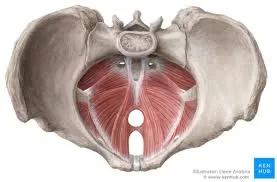
Pelvic floor disorders arise when the muscles and connective tissues supporting the pelvic organs weaken or are injured. These muscles, forming a sling from the pubic bone to the tailbone, hold in place the bladder, uterus, intestines, and other organs. When compromised, women may struggle with bladder or bowel control, experience pain during intercourse, or feel pressure and discomfort in the pelvic region.
A Silent Epidemic
Over 60% of women in the UK have reported at least one symptom of poor pelvic floor health, and nearly a quarter have never performed pelvic floor exercises that could prevent or improve symptoms. In the United States, nearly one in four women will experience a pelvic floor disorder in their lifetime, with pregnancy, childbirth, hormonal changes, and aging among the primary risk factors.
Despite the high prevalence, many women avoid seeking help due to embarrassment or lack of awareness. “Pelvic floor disorders are often dismissed as a ‘normal’ part of aging, but it’s not something you have to live with. Treatments do exist,” says Dr. Donna Mazloomdoost, a urogynecologist.
Treatment Options and Hope
First-line treatments for pelvic floor dysfunction and disorders include pelvic floor physical therapy, exercises to strengthen or relax the muscles, and, in some cases, supportive devices or surgery. Medications and lifestyle changes may also be recommended.
Experts emphasize that early intervention and education are key. The Royal College of Obstetricians and Gynaecologists (RCOG) is now calling for improved information and education about pelvic floor health throughout women’s lives, aiming to reduce the number of those living with untreated symptoms.
Disclaimer
The information in this article is intended for general knowledge and does not substitute for professional medical advice, diagnosis, or treatment. Always consult a qualified healthcare provider regarding any medical condition or before starting any new treatment. The views and opinions expressed in this article are based on current medical literature and expert commentary, but individual experiences may vary.