 0
0
 0
0
In a groundbreaking nationwide study released in late 2025, the Indian Council of Medical Research (ICMR) has provided clear dietary evidence linking India’s escalating burden of non-communicable diseases (NCDs)—including diabetes, obesity, and cardiovascular conditions—to dietary patterns dominated by high carbohydrate intake from refined cereals and added sugars. The study reveals that increasing consumption of millets and reducing sugar intake, combined with an overall decrease in total carbohydrates and increased plant and dairy protein intake, could significantly mitigate these health risks. These findings come amid growing public health efforts to curb the metabolic disease epidemic across urban and rural India.
Key Findings and Developments
The ICMR-INDIAB study, the largest of its kind in India surveying nearly 100,000 adults across all states and union territories, found that deeply entrenched high carbohydrate diets (62% of daily calories) predominantly from white rice and refined wheat contribute substantially to the risk of type 2 diabetes (T2D), prediabetes, and obesity. Consumers of both rice and wheat showed similar metabolic risks, dispelling the common myth that wheat is inherently healthier than rice. Importantly, the study concluded that merely replacing refined cereals with whole wheat or millet flour without reducing total carbohydrate intake did not reduce disease risk.
The data indicated that swapping just 5% of daily carbohydrate calories for plant or dairy proteins lowered odds of diabetes and prediabetes significantly, highlighting the protective role of non-carbohydrate nutrients. However, substitution with red meat protein or fats did not show these benefits. Notably, Indian diets were deficient in protein (only 12% of calories), with limited dairy and animal protein consumption, emphasizing a dietary imbalance tied to poor metabolic health outcomes.
Expert Commentary
Dr. R.M. Anjana, lead author of the study and a prominent epidemiologist associated with ICMR, explained, “Our evidence underscores that reducing total carbohydrate intake—especially from poor-quality sources—and increasing plant- and dairy-based proteins, is critical to reversing the trend of metabolic diseases. Simply switching carbohydrates from rice to millets or whole wheat without cutting overall intake is insufficient to reduce risk.” This statement challenges common dietary assumptions in India and guides new nutritional policy directions.
Dr. Meena Sharma, an endocrinologist not involved in the study, commented, “The findings highlight the urgent need for balanced diet reforms, especially in rural populations where refined rice dominates. Encouraging millets, rich in dietary fiber and micronutrients, alongside protein-rich foods, will be vital for diabetes prevention.” She also cautioned that cultural habits and food availability must be addressed to implement effective changes.
Context and Background Information
India is facing an unprecedented surge in NCDs, which according to WHO projections, will cause over 60% of deaths in the country by 2030. Diabetes and obesity rates have soared, closely tied to lifestyle and dietary shifts, especially the nutrition transition toward highly processed, high-glycemic foods. The ICMR study corroborates previous findings showing excessive carbohydrate consumption from low-quality refined grains, high sugar intake in urban areas, and inadequate protein, fruits, and vegetables intake, particularly in rural populations.
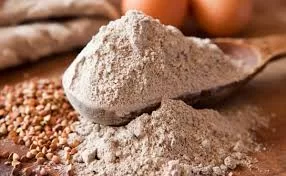
Though millets have been traditionally consumed in India and are high in fiber and essential nutrients, their intake has declined over time. The study recommends increasing millet consumption due to their lower glycemic index compared to polished rice and refined wheat. Additionally, added sugar consumption remains a concern, especially in urban diets, necessitating public health messaging to reduce sugar intake alongside carbohydrate moderation.
Public Health Implications
The ICMR’s evidence-based dietary recommendations call for comprehensive public health strategies targeting carbohydrate quality and quantity, sugar reduction, and increased plant and dairy protein consumption. Policy efforts should focus on promoting millet-based foods as a staple alternative, reducing reliance on refined cereals, and encouraging protein-rich dietary options including pulses, legumes, and dairy products. These changes can contribute significantly to lowering the incidence of metabolic diseases, especially in vulnerable rural populations where current dietary imbalances persist.
Such dietary shifts could also alleviate the growing economic burden of NCDs on India’s healthcare system by preventing disease onset and progression. Public education campaigns, food fortification, subsidies for healthy foods like millets and pulses, and regulating sugar content in processed foods are potential interventions aligned with these findings.seea+1
Limitations and Counterarguments
While the study provides robust population-level associations, it has limitations typical of observational diet surveys, including reliance on self-reported food intake, which can introduce recall bias. Additionally, isocaloric substitution modeling does not account for complex lifestyle factors affecting metabolic health. The study recognizes that reducing total carbohydrate intake is challenging due to cultural preferences and affordability issues, highlighting the need for tailored community-specific interventions.
Some critics argue that whole grains alone, even without reducing carbohydrate quantity, may confer other health benefits not fully captured by diabetes risk metrics. Others caution against overly simplistic macronutrient substitution messaging, urging a holistic approach encompassing overall dietary patterns, physical activity, and social determinants of health.
Practical Guidance for Readers
For individuals seeking to reduce their metabolic disease risk, the evidence suggests the following actionable steps:
-
Increase consumption of millets, pulses, legumes, and dairy as protein-rich alternatives to refined cereals.
-
Limit total carbohydrate intake, focusing on whole-grain and high-fiber foods over polished rice and refined wheat.
-
Reduce added sugar intake, particularly from processed foods and sugary beverages.
-
Incorporate a variety of fruits and vegetables daily to enhance micronutrient intake.
-
Engage in regular physical activity to complement dietary improvements.
These shifts, while modest, can collectively lower the risk of developing diabetes, prediabetes, and obesity, improving overall metabolic health.theindianpractitioner+1
Medical Disclaimer: This article is for informational purposes only and should not be considered medical advice. Always consult with qualified healthcare professionals before making any health-related decisions or changes to your treatment plan. The information presented here is based on current research and expert opinions, which may evolve as new evidence emerges.
References