 0
0
 0
0
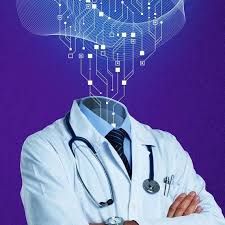
Microsoft has announced a breakthrough in medical artificial intelligence, unveiling a new diagnostic tool that the company claims is four times more accurate than experienced physicians when tackling complex medical cases. The system, named the Microsoft AI Diagnostic Orchestrator (MAI-DxO), reportedly achieved an 85% accuracy rate in diagnosing challenging cases from the New England Journal of Medicine (NEJM), compared to a 20% accuracy rate by a panel of seasoned doctors.
The MAI-DxO was tested using 304 real-world NEJM case studies, each requiring a step-by-step diagnostic approach similar to that used by expert clinicians. The AI tool mimics the process of a panel of specialists, sequentially asking targeted questions, recommending diagnostic tests, and narrowing down possibilities to reach a final diagnosis. According to Microsoft, this orchestration of multiple AI agents in a “chain-of-debate” style allows the system to demonstrate a breadth and depth of expertise across medical specialties that goes beyond any individual physician.
When paired with OpenAI’s advanced o3 AI model, the system “solved” more than eight out of ten of the most diagnostically complex cases, while human doctors—working without access to colleagues, textbooks, or AI assistance—were correct only two out of ten times. Microsoft also highlighted the tool’s efficiency, noting that it was able to reach correct diagnoses more cost-effectively by ordering fewer, but more targeted, tests.
The company’s AI health unit, led by British tech pioneer Mustafa Suleyman, emphasized that the technology is not intended to replace doctors, but rather to serve as an advanced decision-support tool—particularly for complex or rare cases where traditional expertise may fall short. “We’re not replacing doctors. We’re giving them a second brain that never sleeps,” said Peter Lee, Corporate VP of Research and Incubations at Microsoft.
Despite the promising results, Microsoft acknowledged that the tool is not yet ready for clinical use. Further testing is required, particularly on more common symptoms and in real-world healthcare settings. Experts caution that AI in medicine should assist, not replace, clinicians, and raise concerns about the explainability of AI recommendations, legal liability in case of misdiagnosis, patient privacy, and regulatory approval.
The announcement comes as major technology companies race to develop AI solutions for healthcare, with the potential to transform medical practice—especially in regions with limited access to skilled doctors.
Disclaimer: The Microsoft AI Diagnostic Orchestrator is currently a research prototype and not approved for clinical use. All diagnostic and treatment decisions should be made by qualified healthcare professionals. The claims regarding accuracy are based on controlled studies involving complex, published case histories and may not reflect performance in everyday clinical environments.