 0
0
 0
0
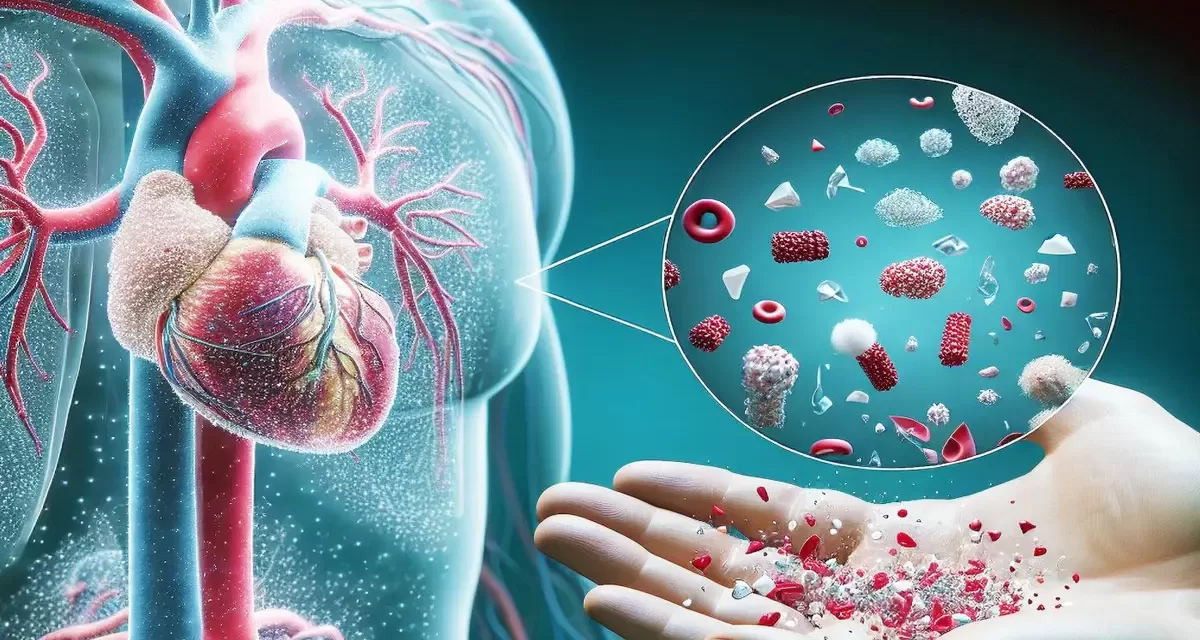
The recent findings on microplastics detected in human organs have raised significant concerns about their potential health effects. Microplastics, tiny plastic particles less than 5 millimeters in size, have been found in multiple vital organs, including the brain, heart, lungs, digestive system, and reproductive organs, underscoring pervasive human exposure worldwide. Emerging research reveals how these particles may affect human health by causing inflammation, oxidative stress, immune dysfunction, and possibly contributing to chronic diseases. However, though the accumulation of microplastics in human tissues is well-documented, concrete evidence linking them directly to specific diseases remains an area of active investigation.
Key Findings on Microplastics in Human Organs
Scientific studies have confirmed microplastics within human tissues and fluids such as lung, liver, kidney, brain, placenta, semen, urine, and breast milk. A study published in Nature Medicine demonstrated microplastic accumulation in human brains, particularly polyethylene particles, which can cross the blood-brain barrier, potentially triggering neuroinflammation. Post-mortem analyses have detected microplastics in artery plaques, with associated increases in cardiovascular risk noted in these patients. Experimental investigations in animal models have shown microplastics to induce oxidative damage, DNA injury, disrupted metabolic functions, immunological responses, and reproductive toxicity. These findings suggest microplastics likely contribute to bodily stress and dysfunction upon chronic exposure.
Expert Commentary and Research Context
Experts advise caution in interpreting these findings. According to Professor Oliver Jones from RMIT University, the methodologies used to detect microplastics in human tissues are robust, but direct causality between plastic accumulation and disease remains unproven. Dr. Sheela Sathyanarayana from the University of Washington expressed concerns about endocrine-disrupting chemicals adsorbed onto microplastics that may exacerbate health effects, including hormonal imbalances and reproductive issues. Stanford Medicine’s Juyong Brian Kim highlighted preliminary evidence that microplastics entering vascular cells can alter gene expression, potentially accelerating vascular diseases. Notably, ongoing studies aim to clarify how microplastics interact with biological systems, their fate within human organs, and long-term health impacts.
Mechanisms and Health Implications
Microplastics can harm health through multiple pathways. Their small size allows them to penetrate cellular barriers, causing physical cell damage and triggering inflammatory responses. Chemical additives and environmental pollutants adsorbed on these plastics—such as BPA, phthalates, and heavy metals—may disrupt nervous, reproductive, and immune systems. Research indicates microplastics induce oxidative stress—an imbalance between free radicals and antioxidants—leading to cell and tissue damage. Studies in marine animals and laboratory models link microplastic exposure to compromised immunity, organ abnormalities, and metabolic dysfunction. Emerging epidemiological evidence suggests microplastics may be associated with chronic diseases including cardiovascular disorders, cancers, and adverse pregnancy outcomes, though more large-scale human studies are needed to confirm causality.
Public Health Context and Risk Perception
The presence of microplastics in human organs represents a complex environmental and health challenge. Unlike acute toxic exposures, microplastics accumulate gradually, and their combined effects with other environmental pollutants remain poorly defined. While current evidence points to potential risks, definitive conclusions about health outcomes are premature. Scientists emphasize that exposure variability depends on factors such as dietary habits, pollution levels, and occupational exposures, which complicates risk assessment. Public health strategies focus on reducing plastic pollution through policy reforms, promoting sustainable product use, and improving waste management to minimize future contamination. Raising awareness about microplastics’ ubiquity encourages individual behavioral changes such as reducing single-use plastics and choosing alternatives.
Limitations and Uncertainties in Current Research
Despite advances, critical gaps remain. Most studies to date have small sample sizes or rely on animal or in vitro models that may not fully replicate human biological responses. The heterogeneity of microplastic types and sizes poses detection challenges, while confounding environmental and lifestyle factors are difficult to control. Methodological variations in sampling and analysis prevent standardization, limiting comparability across studies. More longitudinal research is needed to track the chronic effects of microplastic bioaccumulation, especially in vulnerable populations such as children and pregnant women. Researchers also call for improved technologies to quantify and characterize microplastics in human tissues to better understand exposure pathways and health risks.
Practical Takeaways for Readers
Given current knowledge, health-conscious individuals can take pragmatic steps: minimize plastic use in food packaging and consumption, prefer natural fibers in clothing, avoid microwaving plastics, and support environmental policies targeting plastic reduction. Healthcare providers may consider emerging evidence when advising patients on environmental health risks. As research progresses, updated guidance is expected to better inform public health recommendations. For now, balancing awareness with evidence-based caution remains essential, without undue alarm or dismissal of the potential implications of microplastic exposure.
Medical Disclaimer:
This article is for informational purposes only and should not be considered medical advice. Always consult with qualified healthcare professionals before making any health-related decisions or changes to your treatment plan. The information presented here is based on current research and expert opinions, which may evolve as new evidence emerges.
References