 0
0
 0
0
Microplastics—tiny plastic particles less than 5 millimeters in size—have emerged as a pervasive contaminant in human environments, including healthcare settings. Recent studies reveal microplastics not only accumulate in patients but may worsen health outcomes by contributing to inflammation and disease progression. As hospital patients become more vulnerable to these particles, medical institutions have a critical role in reducing exposure through improved practices and innovation. This article explores the latest evidence, expert insights, and practical implications for healthcare and public health, drawing on peer-reviewed research and recognized authorities.
Microplastics: Ubiquitous and Harmful
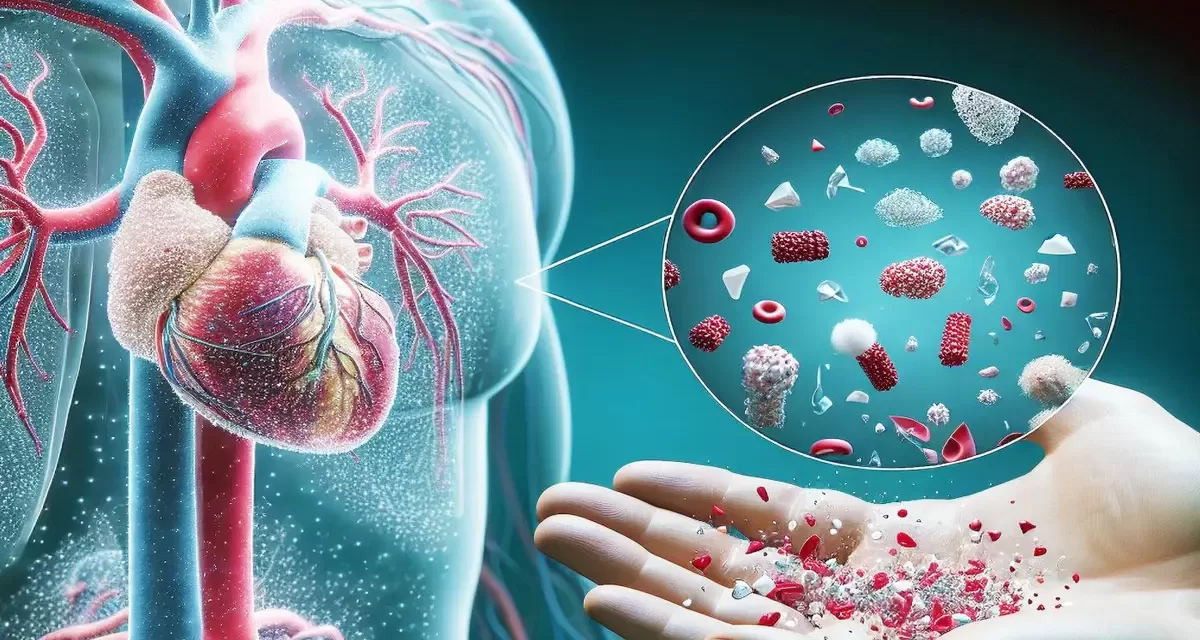
Microplastics have been detected in human tissues ranging from lungs and blood to placenta and even brain tissue. Research indicates they can trigger inflammation, oxidative stress, immune dysfunction, and disrupt metabolic and reproductive functions. Animal and cell studies link microplastics exposure to tissue damage and disease susceptibility. For example:
-
A landmark 2024 study in The New England Journal of Medicine showed patients with microplastics in arterial plaques faced higher risks of heart attack, stroke, and death post-surgery.
-
Cellular research demonstrates that microplastics can enter human vascular cells, altering gene expression tied to cardiovascular disease progression.
Evidence is still emerging, but the scientific consensus warns microplastics may exacerbate respiratory, cardiovascular, and neurological conditions, raising concerns in hospital patients already vulnerable due to illness or surgery.
Hospitals: Sources and Solutions
Hospitals are paradoxically a significant source of microplastic exposure. Use of plastics in medical devices, single-use consumables, IV tubing, and packaging introduces microplastics directly into patients through fluids and airborne particles. The sterilization and disposal of plastic waste add to environmental contamination.
However, healthcare settings can lead mitigation efforts by:
-
Upgrading air filtration and ventilation systems to limit airborne microplastic particles.
-
Transitioning from single-use plastic items to reusable alternatives where possible without compromising sterility.
-
Implementing rigorous recycling and waste management systems to reduce plastic pollution.
-
Innovating with biodegradable or safer material alternatives for medical supplies.
-
Educating healthcare professionals on minimizing patient exposure during procedures.
Real-world interventions have shown hospitals can reduce plastic waste and patient exposure while maintaining care quality and achieving cost savings.
Expert Perspectives
Dr. Juyong Brian Kim, vascular researcher at Stanford Medicine, notes, “Our findings link plastic particles embedded in vascular tissue to disease progression, underscoring the urgent need to rethink plastic use in healthcare.”
Claudia Pratesi, PhD, an environmental health scientist, emphasizes lifestyle actions to reduce exposure: “Patients should be aware that microplastics are everywhere, but avoiding plastic bottled water, heating food in plastics, and choosing fresh, unpackaged foods can lower their intake.”
Public Health Implications
Microplastic contamination in healthcare settings is not only an environmental issue but a direct health concern, particularly for hospitalized individuals with compromised immune systems or chronic illnesses. Prolonged exposure may worsen outcomes and complicate recovery.
Hospitals adopting sustainable practices contribute to broader environmental health—reducing plastic pollution benefits communities by lowering overall human exposure from air, water, and food sources.
Policymakers and hospital administrators are urged to prioritize investment in safer materials, staff training, and infrastructure upgrades to mitigate this emerging threat.
Limitations and Continuing Research
Though evidence linking microplastics to specific diseases is growing, much of the data derives from animal models and in vitro studies. Human studies, especially longitudinal investigations, remain limited and technically challenging due to the ubiquity and complexity of exposure sources.
Future research must refine detection techniques, measure long-term health impacts, and explore the effectiveness of interventions. Meanwhile, precautionary principles guide healthcare practice improvements.
Practical Takeaways for Readers
-
Be mindful of plastic exposure in everyday life: avoid heating food in plastic containers and reduce consumption of packaged foods.
-
Support hospitals and policies focused on sustainable healthcare to protect patient health.
-
Healthcare providers can actively adopt protocols to reduce microplastic contamination during procedures.
Medical Disclaimer:
This article is for informational purposes only and should not be considered medical advice. Always consult with qualified healthcare professionals before making any health-related decisions or changes to your treatment plan. The information presented here is based on current research and expert opinions, which may evolve as new evidence emerges.
References:
- https://www.bbc.com/future/article/20250723-how-do-the-microplastics-in-our-bodies-affect-our-health