 0
0
 0
0
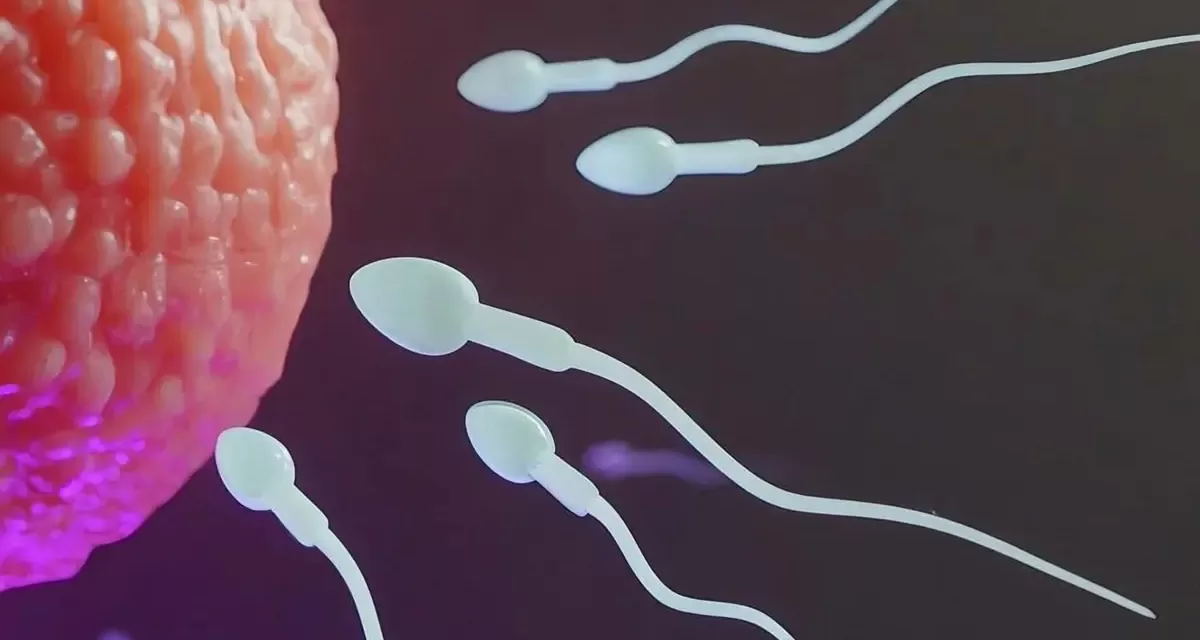
Scientists have discovered microplastics—tiny plastic fragments no wider than a human hair—in the fluids surrounding human eggs and traveling with sperm, according to new research presented at the European Society of Human Reproduction and Embryology meeting. The study, led by Dr. Emilio Gómez‑Sánchez of Next Fertility Murcia in Spain, analyzed follicular fluid from 29 women and seminal fluid from 22 men, finding microplastics in 69% of the women and 55% of the men examined.
The detected microplastics included polymers such as polytetrafluoroethylene (PTFE) and polypropylene (PP), materials commonly used in nonstick cookware and food packaging. PTFE was found in 31% of egg fluid samples and 41% of semen samples. Other plastics, like polystyrene and polyethylene terephthalate, were also present but less frequently.
The researchers took precautions to avoid laboratory contamination, collecting all samples in glass vials and confirming the absence of background plastic, indicating the particles were genuine residents of the human body. Most samples contained only one or two plastic particles, but the mere presence of these fragments in reproductive fluids has turned a theoretical hazard into a measurable reality.
This discovery follows previous findings of microplastics in the human bloodstream, placenta, lungs, and other tissues, highlighting the pervasive nature of plastic pollution. Microplastics primarily enter the body through ingestion, inhalation, and skin contact, and once inside, they can be transported by the bloodstream to various organs—including those involved in reproduction.
Animal studies have shown that microplastics can harm sperm quality and egg maturation, potentially by acting as endocrine disruptors or by carrying other chemicals. However, the concentrations found in human samples were relatively low, and experts caution that more research is needed to determine the direct effects on human fertility.
Dr. Gómez‑Sánchez emphasized moderation rather than alarm, recommending practical steps such as switching from plastic bottles to glass or stainless steel, replacing scratched nonstick pans, and using ceramic or bamboo cutting boards to reduce microplastic exposure. However, public health experts note that individual actions alone are insufficient to counter the scale of global plastic production, which has risen dramatically since the 1950s.
The research team plans to expand their study to hundreds of patients and investigate possible links between microplastic exposure and embryo quality during in vitro fertilization cycles. These efforts aim to clarify whether the presence of microplastics in reproductive fluids has measurable consequences for human fertility.
“They should be considered an additional argument in favor of avoiding the generalized use of plastics in our daily lives,” said Professor Carlos Calhaz‑Jorge of the University of Lisbon. He also noted that further research is needed to prove causation.
:
This article is based on preliminary research presented at a scientific meeting and published as an abstract. The findings have not yet undergone peer review, and the effects of microplastics on human fertility remain uncertain. Readers are advised to interpret these results with caution until further studies confirm the clinical implications.