 0
0
 0
0
Mexico is ramping up its fight to eradicate the flesh-eating screwworm parasite, a destructive threat to livestock and public health, with a new sterile fly production plant set to double the number of sterile flies released into the wild by July 2026. This facility, located in Chiapas, is part of a $51 million joint Mexico-U.S. investment aimed at strengthening control efforts against this parasitic pest that has recently re-emerged in the region after decades of near disappearance. The sterile insect technique (SIT) employed in this initiative is a targeted, environmentally friendly method that involves breeding and releasing sterilized male flies to reduce the screwworm population and protect agriculture and livestock industries.
Screwworm Threat and Epidemiology
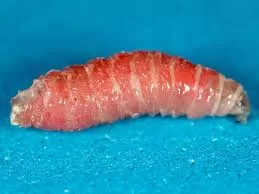
The New World screwworm (Cochliomyia hominivorax) is a parasitic fly whose larvae feed on living tissue of animals and occasionally humans, causing a painful and potentially fatal condition known as myiasis. The parasite primarily affects livestock such as cattle, posing severe economic and health challenges, with infestations leading to wounds that can exacerbate infections and reduce productivity. The parasite’s recent resurgence in Mexico, Central America, and Mexico’s border states has sparked renewed urgency due to outbreaks reported since early 2024. The growing infestation led to tighter border controls and a partnership between Mexico and the United States to combat its spread.
The Sterile Insect Technique: How It Works
SIT is a biologically based and environmentally sustainable pest control method developed over 60 years ago and used on six continents. The technique involves mass-rearing millions of male screwworm flies, sterilizing them via radiation (like gamma or X-rays), and releasing them into the wild. These sterile males compete with fertile wild males to mate with females; because the sterile males produce no offspring, the screwworm population declines over time. This method is species-specific, does not introduce genetically modified organisms, and avoids pesticide use, making it an eco-friendly alternative for parasite control. SIT was previously successful in eradicating the screwworm from North America after a prolonged 19-year program, demonstrating its proven efficacy.
Mexico’s New Sterile Fly Production Plant
The new production plant in Metapa de Domínguez, Chiapas, repurposes an existing facility formerly used for breeding Mediterranean fruit flies. This conversion allows faster establishment, reducing construction time significantly. The plant will initially produce between 30 to 60 million sterile screwworm flies weekly, scaling up to about 100 million, effectively doubling Mexico’s sterile fly release capacity currently reliant on Panama’s plant. The sterile flies are distributed to highly infested zones in southern Mexican states, including Chiapas, Oaxaca, and Veracruz, using grid-patterned aerial releases to ensure comprehensive coverage. This initiative is supported by a $30 million Mexican government investment alongside $21 million from the United States, reflecting binational commitment to control the parasite.
Expert Insights and Public Health Implications
Geneticist Salvor Meza highlights that the sterile insect technique acts as a biological barrier preventing pest population growth, an ecological solution that significantly reduces pesticide usage and its environmental impact. This approach not only protects livestock but also helps safeguard human health, reducing the risk of zoonotic infestations. The World Organisation for Animal Health (WOAH) underscores the screwworm’s zoonotic potential, especially threatening vulnerable human populations such as children, the elderly, and immunocompromised individuals. Cases of human infestation have been rare but severe, emphasizing the importance of sustained control measures.
Veterinary experts emphasize that early intervention and containment are critical, noting that infestations require thorough clinical treatment involving larval removal and wound disinfection. The renewed screwworm outbreaks present a serious livestock health challenge that could cause significant economic losses, including millions of dollars in treatment costs and reduced meat production. Texas livestock economists note that uncontrolled screwworm outbreaks could severely impact one of the largest cattle industries globally, with estimated losses potentially reaching $1.8 billion.
Challenges and Limitations
Despite SIT’s proven success, challenges remain. Establishing and scaling sterile insect production is resource-intensive, requiring complex biosecurity and specialized facilities—a project that traditionally takes several years. Maintenance of release programs and continuous monitoring are essential to prevent resurgence. Additionally, SIT works best when target pest populations are low, necessitating comprehensive suppression efforts in tandem with environmental and agricultural management. There are also concerns about transportation logistics for sterile flies, requiring strict temperature controls and careful distribution strategies. These factors contribute to the complexity of pest eradication campaigns in diverse geographic regions.
Moreover, while SIT presents an environmentally preferable alternative to chemical pesticides, it is one component within a multifaceted pest control strategy. Its success depends on sustained funding, coordination across national borders, and the cooperation of agricultural communities. Potential risks of delayed containment and incomplete coverage could limit its effectiveness, underscoring the importance of ongoing research and adaptive management.
Practical Implications for Readers
For livestock farmers and agricultural stakeholders, the expansion of sterile fly production and release programs promises reduced parasite burdens and healthier animals, which translates into improved productivity and economic stability. For consumers, these efforts contribute to safer food supplies by minimizing parasitic contaminations and reducing reliance on chemical pesticides, which aligns with growing demands for sustainable farming practices.
Health-conscious readers should remain aware of the risks associated with screwworm infestations, especially those in endemic or outbreak regions. It is advisable to seek immediate veterinary or medical care if unexplained wounds or symptoms suggestive of myiasis appear in livestock or humans. Reporting and controlling the spread of this parasite depend heavily on public awareness and compliance with preventive measures recommended by health authorities.
Medical Disclaimer:
This article is for informational purposes only and should not be considered medical advice. Always consult with qualified healthcare professionals before making any health-related decisions or changes to your treatment plan. The information presented here is based on current research and expert opinions, which may evolve as new evidence emerges.
References
-
Reuters. (2025, October 23). Mexico hopes to eradicate screwworm with new sterile fly plant. Retrieved from https://www.reuters.com/business/healthcare-pharmaceuticals/mexico-hopes-eradicate-screwworm-with-new-sterile-fly-plant-2025-10-23/