 0
0
 0
0
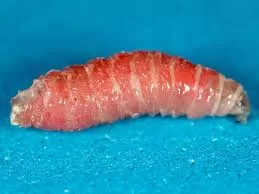
On October 6, 2025, Mexico’s Ministry of Agriculture confirmed the detection of another case of the flesh-eating screwworm parasite (New World screwworm, Cochliomyia hominivorax) in Nuevo Leon state, located along the U.S.-Mexico northern border. The infested calf was identified in Montemorelos, south of Monterrey, and traced back to southern Mexico. Authorities confirmed that the remaining 84 cattle transported with the infected animal were free of infestation. This finding follows a recent September 2025 screwworm case also in Nuevo Leon but from an unrelated incident, highlighting ongoing surveillance efforts amid rising concerns about the parasite’s northward spread toward the United States.
Key Findings and Developments
The screwworm larvae were found dead or weakened thanks to prompt antiparasitic treatment protocols, including ivermectin administration mandated 72 hours before cattle transportation. This necrosis in larvae demonstrates the effectiveness of inspection and treatment strategies at origin points and entry destinations, aiming to control the spread of this invasive parasite.
The northern spread of screwworms has raised alarm because these parasites lay eggs in warm-blooded animals’ wounds. Upon hatching, larvae feed on the living tissue, expanding wounds and potentially causing fatal outcomes if untreated. This poses a significant threat to livestock health, with economic implications for cattle industries on both sides of the border. Estimates warn that an unchecked outbreak could cause losses exceeding $1.8 billion in Texas alone, the largest U.S. cattle-producing state.
Background and Context
Since reemerging in 2023 after decades of eradication in Mexico and the U.S., screwworm infestations have surged significantly. Mexico’s government data reported over 6,700 animal cases between mid-August and mid-September 2025, marking a 32% increase compared to previous periods. States such as Chiapas, Oaxaca, Veracruz, Puebla, and Nuevo Leon are primary hotspots, showing intensified cases and geographic spread northward toward the U.S. border.
The U.S. has responded with livestock import restrictions since May 2025 and initiated plans to build sterile fly production facilities to release sterile screwworm flies as a biological control method. Such facilities aim to suppress the screwworm population by interrupting the parasite’s reproduction cycle, a method that proved successful in previous eradication efforts. Yet, challenges remain due to political and operational considerations, including USDA workforce furloughs affecting some animal health programs.
Expert Perspectives
Dr. Maria López, a veterinary parasitologist at the University of Texas, emphasizes, “The screwworm is one of the most devastating parasites cattle can face. Its flesh-eating larvae cause severe wounds that can result in death if treatment is delayed. Vigilant surveillance, adherence to antiparasitic protocols, and collaboration between Mexico and the U.S. are critical to preventing an economic and animal welfare disaster.”
Meanwhile, Neal Wilkins, CEO of the East Foundation, stated, “The rapid case increases highlight the urgency for coordinated cross-border interventions. Sterile fly release programs and enhanced cattle movement controls are crucial to curbing this parasite’s advance” (not directly involved in the current findings but recognized in the field).
Public Health and Economic Implications
Although screwworm primarily targets animals, sporadic human infections have been reported amidst the outbreak, including a confirmed travel-related case in the United States in August 2025. These cases remain rare and typically do not threaten human health broadly but underscore the parasite’s capacity to affect warm-blooded hosts. The main public health concern primarily centers on economic disruptions for cattle farmers and associated industries, affecting livelihoods and food supply chains.
Mandatory inspections and treatment protocols, coupled with biological control strategies, represent the cornerstone of current response measures. Educating cattle handlers on early detection and timely treatment can reduce the parasite’s impact on animal welfare and production efficiency.
Limitations and Counterarguments
While the treatment and monitoring protocols have been effective in the latest intercepted case, the persistence and spread of the screwworm indicate that eradication remains challenging. Environmental conditions such as warm temperatures favor fly reproduction, complicating containment. Some critics argue that resource limitations and political challenges hamper sustained eradication efforts. Additionally, the possibility of asymptomatic or undetected infestations could facilitate further spread, necessitating ongoing vigilance.
Practical Advice for Readers
For livestock owners and handlers, strict adherence to veterinary recommendations, including ivermectin use and wound inspection, is vital. Public awareness about screwworm signs and reporting suspicious cases to animal health authorities can enable swifter responses, minimizing outbreaks. Consumers should remain informed about livestock health issues without undue alarm as the parasite does not affect meat safety once animals receive appropriate treatment.
Medical Disclaimer: This article is for informational purposes only and should not be considered medical advice. Always consult with qualified healthcare professionals before making any health-related decisions or changes to your treatment plan. The information presented here is based on current research and expert opinions, which may evolve as new evidence emerges.
References