 0
0
 0
0
Mexico is experiencing a dramatic rise in cases of the flesh-eating screwworm parasite, with government data indicating a 32% surge in animal infestations as the outbreak moves northward—prompting international concerns for public health, livestock, and trade. This article explores the latest developments, offers expert analysis, and addresses the broader implications for the region.
Surge in Screwworm Outbreak: What Happened?
Between August 17 and September 13, 2025, Mexico reported 6,703 cases of animals affected by the New World screwworm (Cochliomyia hominivorax), up from 5,086 in the prior month—a 32% increase documented by Mexico’s health and agricultural agency Senasica. The spike represents the most significant rise since the outbreak began in November 2024, with the epicenter now shifting northward toward the U.S. border, where it threatens livestock industries on both sides.
The screwworm primarily affects cattle but has also been identified in sheep, dogs, horses, and—in rare instances—humans. Notably, Puebla state, 80 miles from Mexico City, reported its first five cases, and Oaxaca’s caseload rose sharply. As the outbreak advances, the U.S. has restricted cattle imports from Mexico since May 2025, highlighting the disease’s economic and political ripple effects.
What Is Screwworm, and Why Is It So Dangerous?
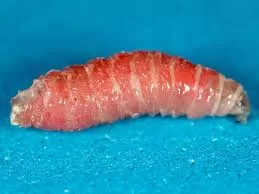
The New World screwworm is a parasitic fly whose larvae infest open wounds in warm-blooded animals, consuming living tissue and causing the condition myiasis. If untreated, screwworm infestation can be fatal for animals due to rapid tissue destruction and secondary infections. The fly was previously eradicated from the U.S. and much of Central America in the late 20th century using the sterile insect technique, only to reemerge in the region in 2023-2024.
Although most cases involve livestock, human instances have also been reported, including a notable travel-related infection in Maryland, U.S., in August 2025 and a series of cases in Nicaragua and Costa Rica earlier in the year. The risk to general public health in the U.S. is currently considered low, with experts urging vigilance rather than panic.
What Are the Broader Public Health and Economic Impacts?
Experts estimate that a widespread screwworm outbreak could cost livestock producers in Texas and other regions billions of dollars annually, factoring in animal deaths, trade restrictions, and medical costs. The outbreak’s expansion has prompted renewed diplomatic tensions, with U.S. officials citing insufficient containment efforts by Mexican authorities and enforcing strict import controls.
The World Health Organization lists the screwworm as one of six priority transboundary animal diseases to be eliminated in the Americas, recognizing its profound threat to food security and rural economies. Beyond economic loss, experts stress potential ecological damage, recalling Florida’s 2016 outbreak that decimated up to 13% of a local deer population.
What Are Experts Saying?
Dr. Thomas Hairgrove, a Texas A&M veterinary extension specialist, advises livestock producers to consult with veterinarians and report suspicious wounds promptly: “Be vigilant but don’t panic… If you expect a screwworm infestation, contact your veterinarian immediately. The faster it is reported, the quicker it can be eradicated”.
Leigh-Anne Lawton, a public health entomologist in Texas, warns that people at higher risk include those traveling to affected regions, living near livestock, or suffering from wounds: “This is a problem for all of us, and we all have to be involved”.
How Is the Outbreak Being Managed?
Mexico and the U.S. are cooperating on containment protocols, including increased surveillance and sterile fly release programs, which were instrumental in previous eradication campaigns. Early detection and rapid animal isolation are critical; the infected animal found in Nuevo Leon, less than 70 miles from the U.S. border, was quickly isolated and treated to prevent further spread.
However, tensions flared after the U.S. Department of Agriculture openly criticized Mexico for not adequately restricting cattle movement, increasing scrutiny on the region’s biosecurity measures.
Are Humans at Risk?
While primarily a disease of livestock, screwworm myiasis can affect humans, especially those with untreated wounds or poor access to health care. Health ministries in Nicaragua and Costa Rica confirmed dozens of human cases in early 2025, some requiring life-saving hospital interventions. In all reported human cases, prompt medical attention was crucial for recovery.
The Centers for Disease Control and Prevention (CDC) and World Health Organization continue to rate overall human risk as low in North America but recommend that people with wounds or those traveling to outbreak regions take extra precautions.
What Should Livestock Owners and Consumers Do?
-
Livestock producers should regularly inspect animals for wounds and consult veterinarians about preventive strategies, including wound care and monitoring for early signs of infestation.
-
Report any suspicious cases to local agricultural or animal health authorities quickly—swift responses are critical to control.
-
For the general public, the risk of infection remains very low. Proper wound care and avoiding direct exposure to untreated wounds in endemic areas are simple yet effective precautions.
What Are the Challenges and Limitations?
One limitation is underreporting, particularly among animal populations in rural or remote regions and among low-income communities. Moreover, the parasite’s ability to travel with infected animals across borders complicates containment efforts and demands extensive international cooperation. Conflicting views persist between authorities about the adequacy of preventive measures and the allocation of responsibility.
Experts agree that only a combination of robust surveillance, rapid response, and public engagement can prevent the screwworm from regaining a permanent foothold in the region.
Medical Disclaimer: This article is for informational purposes only and should not be considered medical advice. Always consult with qualified healthcare professionals before making any health-related decisions or changes to your treatment plan. The information presented here is based on current research and expert opinions, which may evolve as new evidence emerges.
References