 0
0
 0
0
Mexico’s agricultural ministry announced a second case of New World screwworm infestation on January 1, 2026, in a goat in the central State of Mexico, following a case in a six-day-old cow calf in northern Tamaulipas on December 31. These detections signal persistent challenges in controlling the flesh-eating parasite that threatens livestock across the country and raises concerns for cross-border trade with the United States. Both affected animals received treatment and represented isolated incidents at their sites, according to officials.
Understanding New World Screwworm
New World screwworm, caused by the larvae of the fly Cochliomyia hominivorax, infests warm-blooded animals by laying eggs in open wounds, where maggots burrow into living tissue, causing painful, progressive damage. Unlike typical blowfly maggots that feed on dead flesh, screwworm larvae actively consume healthy tissue, leading to foul-smelling sores, swelling, fever, and potentially fatal secondary infections if untreated. The adult flies, resembling houseflies with metallic blue-green bodies and orange eyes, can travel long distances to locate hosts via wound odors.
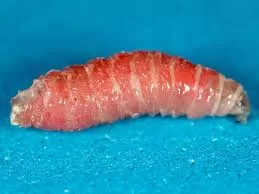
In livestock, newborns are particularly vulnerable through unhealed navels, while adults suffer from injuries like castration wounds or tick bites. Humans face rare but severe risks, especially those with open wounds in endemic areas; symptoms mirror animal cases with intense pain and visible larvae. Diagnosis relies on spotting cream-colored, segmented maggots with dark tracheal tubes in wounds.
Timeline of Recent Cases and Spread
The latest cases mark a concerning persistence despite eradication efforts. On December 31, 2025, a calf in Tamaulipas—about 200 miles from the U.S. border—tested positive, followed by the goat near Mexico City. Earlier outbreaks escalated: September 2025 saw a 32% jump to 6,703 cases, shifting northward from southern states like Chiapas (3,000+ cases) to Veracruz and Puebla. By August 2025, cases rose 53%, affecting cattle, dogs, horses, sheep, and dozens of humans in Campeche and Chiapas.
The parasite re-emerged in Mexico after decades of absence, first eradicated in the 1990s via sterile insect technique (SIT). It has since spread from Panama northward, prompting U.S. border closures to Mexican cattle since May 2025. No U.S. cases in livestock have been reported, but vigilance continues with over 13,000 trap samples negative in Texas, Arizona, and New Mexico.
Eradication Efforts and Challenges
Mexico coordinates responses through Senasica, releasing 100 million sterile male flies weekly from Panama to mate with wild females, producing non-viable offspring. A new facility in Metapa, Chiapas, set for July 2026 operation, will double production to combat the outbreak more effectively. Engineer Humberto Gomes noted repurposing an old fruit fly plant cuts setup time, targeting 100 million flies weekly without chemicals. Senasica coordinator Jose Luis Quintero stated, “If we hadn’t utilized this method, the entire nation would likely be infested by now.”
U.S. support includes USDA audits, risk-based trapping, and sterile fly releases near borders. The World Organisation for Animal Health (WOAH) urges clinical inspections, wound treatments, quarantines, and good husbandry to prevent spread. Challenges persist: northward case migration strains trade, with U.S. futures surging on news of sustained restrictions. Climate and wildlife reservoirs, like feral swine or birds, may sustain populations.
Expert Perspectives
Veterinarians emphasize vigilance. Dr. Jennifer Koziol of Texas Tech University School of Veterinary Medicine describes early signs: “Unusual irritation or behavior (e.g., head shaking), foul odor from wounds… wounds that worsen over time.” She advises prompt wound care, insect repellents, and reporting to authorities. Dr. Ed Egnor notes untreated newborn cases have “nearly 100% mortality within seven to 14 days,” with hundreds of larvae causing bloody discharge and depression.
WOAH highlights zoonotic risks: “Humans, especially young, elderly or infirm, can be infested, with severe and sometimes fatal consequences.” Clemson experts recommend monitoring for maggots or behavioral changes in livestock. These voices underscore SIT’s success but warn of rapid spread without sustained efforts.
Public Health and Economic Implications
For public health, risks remain low for most but elevate for rural communities, travelers, or those handling animals; prompt larval removal and wound care prevent fatalities. Livestock losses threaten food security: screwworm historically killed millions of cattle annually pre-eradication, inflating meat prices and production costs. Mexico’s cattle industry faces export bans, while U.S. producers benefit from import pauses but fear spillover.
Consumers should inspect wounds on pets or themselves post-travel, using repellents and seeking veterinary/medical aid for suspicious sores. Broader implications include diplomatic tensions and the need for international collaboration, as flies traverse borders.
Limitations and Future Outlook
SIT proves effective but demands massive scale; delays in Mexico’s plant could prolong outbreaks. Data gaps exist on wildlife transmission, and insecticide resistance or climate change may aid spread. Conflicting reports on case isolation highlight surveillance needs. Optimism surrounds the Metapa facility, potentially eradicating screwworm continent-wide if scaled.
Medical Disclaimer: This article is for informational purposes only and should not be considered medical advice. Always consult with qualified healthcare professionals before making any health-related decisions or changes to your treatment plan. The information presented here is based on current research and expert opinions, which may evolve as new evidence emerges.
References
-
Reuters. “Mexico reports second screwworm case in two days.” January 2, 2026. https://www.reuters.com/business/healthcare-pharmaceuticals/mexico-reports-second-screwworm-case-two-days-2026-01-02/reuters