 0
0
 0
0
A recent study reveals that specific metals—nickel and vanadium—and sulphate particles within fine particulate air pollution (PM2.5) can significantly worsen asthma symptoms and increase hospitalisation rates. This research highlights the urgent need to control these pollutants to reduce asthma-related health burdens.
Key Findings and Developments
The study, led by environmental epidemiology experts at Harvard T.H. Chan School of Public Health, analyzed 469,005 asthma hospitalisations and found that for every 10% increase in the air pollution mixture containing these metals and sulphates, asthma hospitalisations rose by 10.6% among children and 8% among adults aged 19 to 64. The mixture components contributing most to this association included nickel, vanadium, sulfate, nitrate, bromine, and ammonium.
Joel Schwartz, the study’s corresponding author, explained that these pollutants primarily originate from burning fossil fuels—nickel and vanadium from fuel oils (such as heating oil and heavy oils used by large buildings) and sulphates from coal combustion. He emphasized that these sources are controllable, suggesting measures like installing scrubbers on coal plants, replacing coal with cleaner fuels, and removing metal contaminants from fuel oil.
Methodology and Expert Commentary
The research employed machine learning techniques and weighted quantile sum regression to understand how each chemical compound in PM2.5 contributes to asthma exacerbations. Crucially, variables like outdoor temperature and socioeconomic status were adjusted for, enhancing the robustness of the findings.
Dr. Jane Williams, a pulmonologist not involved with the study, commented, “This study strengthens the evidence linking specific air pollutants to asthma severity. These findings can guide regulatory policies targeting combustion sources to improve respiratory health.”
Context and Public Health Implications
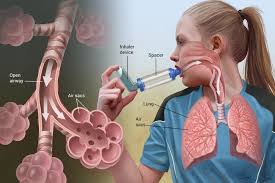
PM2.5 refers to particulate matter with a diameter less than 2.5 micrometers, known to penetrate deep into the lungs, causing inflammatory responses. Asthma, affecting millions worldwide, is a chronic respiratory condition characterized by airway inflammation and constriction, which can be aggravated by air pollution exposure.
Reducing the levels of nickel, vanadium, and sulphates in the air could directly lower asthma exacerbations and hospitalisations, alleviating strain on healthcare systems and improving quality of life for those with asthma.
Limitations and Balanced Perspective
While substantial, the study’s observational nature means causation cannot be definitively established, and other unmeasured factors may contribute to asthma outcomes. Additionally, the focus on PM2.5’s metal and sulphate components does not exclude the potential impact of other pollutants.
Practical Advice for Readers
Individuals living in urban or industrial areas with higher exposure to these pollutants should monitor local air quality reports, minimize outdoor activity during high pollution days, and ensure their asthma management plans are up to date with healthcare providers.
Medical Disclaimer: This article is for informational purposes only and should not be considered medical advice. Always consult with qualified healthcare professionals before making any health-related decisions or changes to your treatment plan. The information presented here is based on current research and expert opinions, which may evolve as new evidence emerges.
References:
- https://theshillongtimes.com/2025/08/31/metals-sulphate-in-air-pollution-mixture-may-worsen-asthma/