 0
0
 0
0
Published: February 12, 2026
NEW DELHI — A seismic shift in India’s medical education policy has ignited a national firestorm as candidates with negative and single-digit scores in the NEET-PG 2025 entrance exam have been allotted seats in prestigious postgraduate medical programs. The move, sanctioned by the Union Health Ministry to fill thousands of vacant seats, has prompted senior physicians and public health experts to warn of a “merit meltdown” that could jeopardize patient safety and the global reputation of Indian medical specialists.
From Negative Scores to the Operating Theater
The controversy erupted this week as counseling lists began circulating on social media, revealing a startling reality: candidates who scored as low as −12 out of 800 have been granted admission into postgraduate (MD/MS) courses. While entrance exams are typically designed to filter for the highest caliber of talent, the new allotment lists include:
-
MS Orthopaedics: A seat at a government medical college in Rohtak allotted to a candidate with a score of 4/800.
-
Obstetrics and Gynaecology: A seat at a premier Delhi institution filled by a candidate with 44 marks.
-
Clinical Specialties: Allotments in General Medicine and General Surgery—fields where split-second, life-saving decisions are routine—to candidates with scores in the single digits or negatives.
For the general public, the math is sobering. NEET-PG utilizes a marking scheme where a correct answer earns +4 and an incorrect one earns −1. A negative score indicates that a candidate not only failed to answer most questions correctly but also demonstrated significant misinformation across the board.
The Policy Shift: Why “Zero” Became a Passing Grade
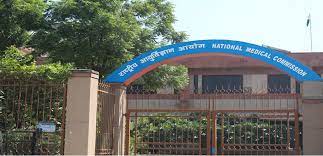
The crisis stems from a drastic reduction in qualifying percentiles implemented by the National Board of Examinations in Medical Sciences (NBEMS). Following a directive from the Union Health Ministry, the bar was lowered to prevent approximately 17,000 to 18,000 postgraduate seats from remaining vacant across the country.
| Category | Original Percentile | Revised Percentile | Approx. Cut-off Score |
| General/EWS | 50th | ~7th | 103 / 800 |
| General PwBD | 45th | 5th | 90 / 800 |
| SC/ST/OBC | 40th | 0th | −40 / 800 |
By dropping the reserved category cut-off to the 0th percentile (effectively −40 marks), the government made every single individual who sat for the exam eligible for counseling.
The Government’s Defense:
Government officials and the Minister of State for Health have defended the move as a “pragmatic” measure to ensure “precious PG medical seats do not remain vacant.” They argue that the infrastructure for these seats is already paid for and that leaving them empty wastes national resources, especially in non-clinical branches like Physiology or Biochemistry that see less student interest.
Doctors Sound the Alarm: “A Mockery of Healthcare”
The medical fraternity, however, remains unconvinced. Many argue that while filling seats is important, the “floor” of basic competence should never be removed.
“A candidate scoring in the negative range is not even close to the basics of medical education,” stated a national spokesperson for the Indian Medical Association’s student network. “This is an absolute mockery of healthcare education. Would any official feel comfortable being operated on by someone who scored a −12?”
Beyond the ethical concerns, experts worry about the “pay-to-specialise” dynamic. Many of these low-scoring candidates may end up in private medical colleges where tuition fees can exceed ₹1 crore. Critics argue the policy change primarily benefits private institutions’ bottom lines rather than public health.
The Safety Net: Can Training Fix a Poor Start?
Despite the outcry, some medical educators suggest the situation requires nuance. They point to three factors that protect patients:
-
The Exam Limitation: NEET-PG is a one-day, multiple-choice test. It measures rote memorization more than clinical empathy or surgical hand-eye coordination.
-
Rigorous Residency: PG training lasts three years and involves constant supervision by senior consultants. Residents are not “unleashed” on patients immediately; they function within a team-based hierarchy.
-
Exit Exams: To earn their degree, these students must pass practical and theory exams at the end of their residency, which are traditionally much harder to “game” than an entrance test.
However, the counter-argument remains: if a student enters residency without a foundational understanding of medicine, they may struggle to keep up with the rigorous curriculum, potentially becoming a “weak link” in the hospital chain.
Legal Intervention and the Path Forward
The issue has now reached the Supreme Court of India. The Court has demanded a detailed affidavit from the Centre to justify the rationale behind the −40 cut-off, seeking assurance that there is “no devious reason” behind the policy. While the Court has allowed counseling to continue for now, its final ruling could reshape how India selects its future specialists.
Systemic Issues: The Root of Vacant Seats
Experts suggest that lowering cut-offs is merely a “Band-Aid” on a deeper wound. The reason seats go vacant is rarely a lack of candidates, but rather:
-
High Costs: Prohibitive fees in private colleges.
-
Branch Imbalance: A surplus of seats in non-clinical branches (like Anatomy) that offer fewer career prospects compared to Radiology or Cardiology.
-
Poor Working Conditions: Residents in many state hospitals face 100-hour work weeks and lack of basic infrastructure.
Practical Takeaways for Patients
While the headlines are concerning, patients should not panic. Here is what this means for your next hospital visit:
-
Trust the System, but Verify: Always seek care at recognized, accredited hospitals. These institutions have internal peer-review systems that monitor doctor performance regardless of entrance scores.
-
Ask Questions: It is perfectly acceptable to ask about a specialist’s experience, where they trained, and their track record with specific procedures.
-
Look for Multidisciplinary Teams: Patient safety is highest in hospitals where “team-based care” is the norm, ensuring that no single trainee makes high-stakes decisions in a vacuum.
Medical Disclaimer: This article is for informational purposes only and should not be considered medical advice. Always consult with qualified healthcare professionals before making any health-related decisions or changes to your treatment plan. The information presented here is based on current research and expert opinions, which may evolve as new evidence emerges.
References
-
Medical Dialogues. (2026, Feb 10). Negative, single digit scorers allotted MD, MS seats! Doctors decry NEET PG 2025 cutoff.