 0
0
 0
0
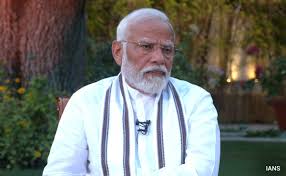
On October 10, 2025, marking World Mental Health Day, Prime Minister Narendra Modi underscored the critical importance of mental health as a fundamental component of overall well-being. He called for inclusive, compassionate conversations around mental health and lauded the efforts of those working to support mental health awareness and care across India.
World Mental Health Day is a globally recognized occasion initiated by the World Federation for Mental Health in 1992 and supported by the World Health Organization (WHO) with aims to raise awareness about mental health issues and promote mental well-being. This year’s WHO campaign emphasized urgent mental health support during humanitarian emergencies, highlighting the increased emotional distress people endure during crises such as natural disasters and conflicts.Key Findings and Context
According to the National Mental Health Survey (2016), approximately 13.2% of Indians experience a diagnosable mental health condition at some point in their lives, with 10.6% currently affected. Common conditions include depression, anxiety, and substance use disorders, with depression being the most prevalent, especially among women. The Economic Survey 2023-24 has also recognized the substantial economic impact of mental health disorders, which include productivity losses due to absenteeism and decreased workplace efficiency. Additionally, urban metropolitan areas show higher prevalence rates compared to rural areas.
In India, the government has longstanding initiatives like the National Mental Health Programme (NMHP) launched in 1982 to enhance mental health services availability and the Mental Healthcare Act of 2017, which provides a legal framework protecting the rights of those with mental illness. However, challenges remain, including large treatment gaps wherein 70-92% of individuals with mental disorders do not receive adequate care, underscoring the need for enhanced healthcare access and destigmatization of mental health conditions.
Expert Perspectives
PM Modi stressed mental health’s indispensability to holistic health in today’s fast-paced world. He emphasized reflection, compassion, and mainstreaming mental health dialogue, “Let us work collectively to create environments where conversations around mental health become more mainstream,” he said, congratulating professionals aiding recovery and happiness.
Union Health Minister JP Nadda echoed this urgency by highlighting the WHO theme “Access to Services – Mental Health in Catastrophes and Emergencies,” focusing on timely mental health support during humanitarian crises. Nadda called for a society united in promoting care, understanding, and accessible mental health services for all.
The Ministry of Ayush contributed by advocating integrative approaches involving Ayurveda, yoga, meditation, and balanced nutrition to boost mental well-being, promoting these as accessible daily practices fostering holistic health.
Implications for Public Health
Recognizing mental health as a public health priority is critical for reducing stigma, improving early diagnosis, and expanding access to effective treatments. Mental health disorders’ heavy economic and social toll highlights the need for multi-sectoral collaboration, investments in community-based interventions, and education to promote psychosocial resilience.who+2
Practical implications for readers include increased awareness of mental health signs, encouraging compassionate support for affected individuals, seeking professional care when needed, and embracing preventive lifestyle measures like mindfulness and physical activity as part of daily routines. Normalizing discussions around mental health can help dismantle stigma, making support more accessible.
Potential Limitations and Counterarguments
While awareness has improved, the significant treatment gap and resource limitations in India pose challenges to effective mental healthcare delivery, particularly in rural and underserved areas. Additionally, cultural stigma may hinder individuals from seeking help. The complexity of mental health conditions means no single solution fits all, necessitating personalized approaches integrating medical treatment, social support, and holistic care.
Some critics argue that despite policy frameworks, implementation remains uneven, requiring strengthened accountability, funding, and workforce capacity-building to ensure equitable mental health services nationwide.
Balanced Reporting and Responsible Information
The article emphasizes evidence-based insights from credible sources including government reports, WHO, and expert commentary to provide a nuanced, balanced perspective on mental health. It avoids sensationalism by presenting statistics carefully and highlighting ongoing challenges without alarmism. Additionally, encouraging supportive, person-first language respects individuals experiencing mental health conditions.
Medical Disclaimer:
This article is for informational purposes only and should not be considered medical advice. Always consult with qualified healthcare professionals before making any health-related decisions or changes to your treatment plan. The information presented here is based on current research and expert opinions, which may evolve as new evidence emerges.
References:
-
Narendra Modi, Prime Minister of India, statements on World Mental Health Day, October 10, 2025. [PMO India Press Release, https://www.pmindia.gov.in/en/news_updates/world-mental-health-day-serves-as-a-powerful-reminder-that-mental-health-is-a-fundamental-part-of-our-overall-well-being-pm/]