 0
0
 0
0
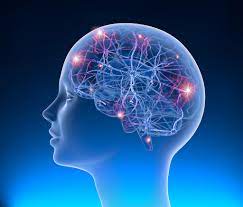
Recent research has challenged long-standing assumptions about how memory works, suggesting that the process of forming and recalling memories is far more intricate than previously believed. Scientists have traditionally focused on specific brain regions, such as the hippocampus, as the primary sites for memory storage and retrieval. However, new findings indicate that memory involves a dynamic interplay between multiple brain networks, making the process much more complicated.
The study, highlighted by Medical Xpress, reveals that memory is not simply a matter of encoding, storing, and retrieving information in a linear fashion. Instead, it involves continuous interaction between different neural circuits, which can sometimes compete or collaborate depending on the context and the type of memory involved. This complexity helps explain why memory can be so fallible and why it is influenced by factors such as attention, emotion, and even the physical state of the brain.
The research also suggests that memory difficulties—whether due to aging, injury, or disease—may not be solely the result of damage to a single brain region. Instead, disruptions in the connections between various brain areas can significantly impact memory function, pointing to the need for more nuanced approaches to diagnosis and treatment.
Implications for Future Research and Treatment
These findings could lead to new strategies for helping individuals with memory impairments. By understanding the broader network dynamics involved in memory, researchers may be able to develop interventions that target the brain as a whole rather than focusing on isolated regions. This approach could benefit those affected by conditions such as Alzheimer’s disease, traumatic brain injury, or stroke-related memory loss.
Conclusion
As our understanding of memory continues to evolve, it is clear that the process is far more intricate than once thought. Ongoing research promises to uncover new insights that could revolutionize the way we treat memory-related disorders.
Disclaimer:
This article is based on information from a scientific news report and is intended for general informational purposes only. It is not a substitute for professional medical advice, diagnosis, or treatment. Always seek the advice of your physician or other qualified health provider with any questions you may have regarding a medical condition.