 0
0
 0
0
Montreal, May 3, 2025 – A new study led by McGill University has sounded the alarm over a troubling rise in melanoma cases across Canada, linking the increase to a decline in sunscreen use and a surge in sun exposure among Canadians.
The research, which analyzed national survey data from over 77,000 participants between 2011 and 2018, found that 75% of Canadian adults spend at least 30 minutes outdoors on summer days off, with nearly half soaking up the sun for two hours or more. Despite decades of public health campaigns promoting sun safety, most respondents reported using sunscreen irregularly or not at all. Alarmingly, one in three Canadians experienced a sunburn in the past year.
“Young adults are particularly at risk,” said Dr. Ivan Litvinov, senior author of the study and Associate Professor of Dermatology at McGill. “They are more likely to get sunburned, use tanning beds, and less likely to wear protective clothing. This increasing sun exposure and decreasing protection is very concerning. Episodic sunburns, especially in childhood or adolescence, significantly increase the risk of melanoma later in life.”
The study highlights several factors contributing to these risky behaviors, including cultural beauty standards that favor tanned skin, a sense of invincibility among youth, and potential cost barriers to purchasing sunscreen and protective gear.
The consequences are stark: Melanoma, the deadliest form of skin cancer, rose by an estimated 17% in 2024 compared to the previous year, with approximately 11,000 new cases diagnosed nationwide. Other forms of skin cancer are also on the rise.
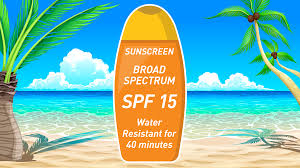
Health experts urge Canadians to take sun safety seriously by applying broad-spectrum sunscreen, wearing protective clothing, and avoiding tanning beds, especially during peak sunlight hours.
Disclaimer:
This article is based on preliminary research findings and survey data. The information provided is for general awareness and should not be used as a substitute for professional medical advice. For personalized recommendations and skin cancer prevention strategies, please consult a qualified healthcare provider.
Citations: