 0
0
 0
0
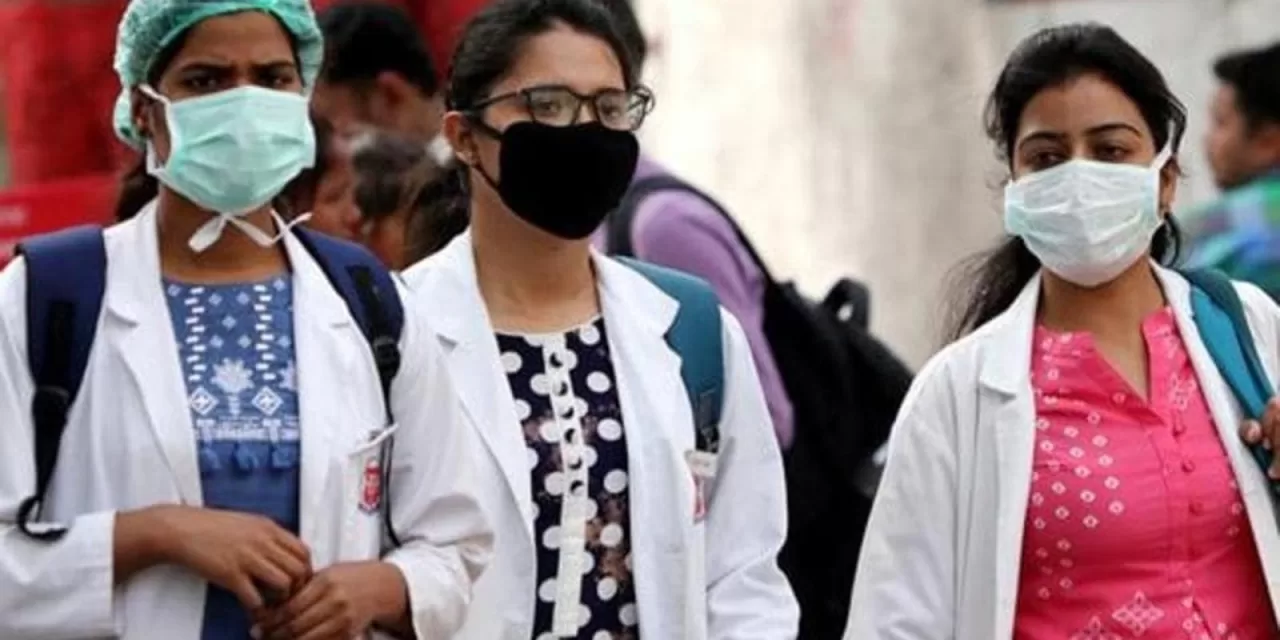
In a historic milestone for Meghalaya, the National Medical Commission (NMC) has granted official approval for Shillong Medical College (SMC), the state’s first government medical college, to commence academic sessions from the 2025-26 academic year. The NMC’s Letter of Permission (LOP) allows SMC to admit an initial batch of 50 students through the NEET-UG admission process starting September 2025. This development marks a crucial step in addressing the chronic shortage of doctors and expanding healthcare education in the northeastern state.
Key Developments and Expert Commentary
With the NMC approval, Shillong Medical College will begin classes by late September 2025, with admissions aligned to the national NEET counseling schedule, the second round of which begins September 26. Meghalaya’s Health Minister, Dr. M. Ampareen Lyngdoh, hailed the approval as a “joyful day” and a “historic milestone” for the state’s healthcare sector, emphasizing the college’s role in increasing local MBBS seats to 144—the highest ever for the state, including seats in NEIGRIHMS and RIIMS.
Dr. Lyngdoh highlighted that SMC operates as a brownfield project, utilizing existing hospitals—Shillong Civil Hospital and Ganesh Das Hospital—as teaching facilities, avoiding the time and resource-intensive process of building new infrastructure. This pragmatic approach enables the college to begin functioning swiftly and efficiently.
SMC’s newly appointed director, Dr. Nicola Gracyl Lyngdoh Iangrai, an ENT surgeon from RIIMS, expressed her commitment to advancing medical education and serving Meghalaya’s healthcare needs. However, the college currently faces faculty shortages, chiefly among senior professors and associate professors, a challenge attributed to recruitment difficulties in northeastern regions. The Health Minister acknowledged the need for competitive pay and better facilities to attract and retain qualified educators.
Background and Context
Meghalaya, until now, lacked a state-run government medical college, forcing aspiring doctors to pursue education outside the state, often facing financial and logistical hurdles. The absence of local government medical institutions has contributed to a shortage of doctors in public health facilities, compounding healthcare delivery challenges, especially in rural and hard-to-reach areas.
The establishment of Shillong Medical College fulfills a decades-old aspiration for Meghalaya, endorsed enthusiastically by Chief Minister Conrad K. Sangma, who described the NMC approval as “a historic day” and a “major milestone” in Meghalaya’s healthcare evolution. The college not only expands educational opportunities but is also expected to help bridge the doctor gap by producing more qualified medical professionals locally.
Implications for Public Health and Medical Education
The inauguration of Shillong Medical College with its 50 MBBS seats is poised to significantly impact Meghalaya’s healthcare landscape by enhancing the supply of trained doctors within the state, potentially improving healthcare outreach and quality. The subsidized annual fee of Rs 30,000, including hostel facilities, keeps education accessible to local students, further supporting a more inclusive healthcare workforce.
Moreover, the college plans to introduce postgraduate specialization courses in the future, fostering career growth opportunities for doctors committed to government service, thus addressing retention and advancement issues within the public health system.
The use of existing hospitals as teaching centers also promises immediate real-world clinical exposure for students, which is vital for quality medical training and effective healthcare delivery. The college’s establishment aligns with national goals of expanding medical education infrastructure to meet India’s rising demand for healthcare professionals.
Balanced Perspective and Challenges
Despite much optimism, there are notable limitations and challenges. The current faculty deficit, especially in senior academic positions, raises concerns about maintaining high teaching standards. Recruiting and retaining qualified faculty in Meghalaya’s remote environment requires addressing infrastructural, financial, and lifestyle barriers.
Additionally, while the initial 50 seats represent progress, Meghalaya still has comparatively fewer medical seats than many other states, indicating a need for continued investment and planning. Experts emphasize sustained government support for faculty recruitment, infrastructure expansion, and integration of modern medical education technologies to ensure long-term success.
Practical Takeaways for Readers
For prospective medical students in Meghalaya and the northeast, the opening of Shillong Medical College offers a significant opportunity to pursue MBBS education locally through the NEET counseling process, reducing financial and personal burdens related to out-of-state study.
For public health stakeholders, this development signals progress toward increasing the local healthcare workforce, which can improve healthcare access and outcomes in underserved areas.
Patients and communities stand to benefit indirectly from a stronger healthcare system fueled by more and better-trained doctors, enhanced by the state government’s subsidies and commitment to sustaining medical education.
Medical Disclaimer
Medical Disclaimer: This article is for informational purposes only and should not be considered medical advice. Always consult with qualified healthcare professionals before making any health-related decisions or changes to your treatment plan. The information presented here is based on current research and expert opinions, which may evolve as new evidence emerges.
References