 0
0
 0
0
SHILLONG — Meghalaya is grappling with a significant public health milestone as the state reports the highest HIV prevalence in India relative to its population. As of January 2026, state health officials confirmed that more than 10,293 people living with HIV (PLHIV) are currently receiving Antiretroviral Therapy (ART), sparking a renewed “war footing” response from the government.
The data, presented to the State Assembly on Wednesday by Health Minister Wailadmiki Shylla, highlights a concentrated epidemic that has claimed 749 lives over the past decade. While the numbers are stark, health experts emphasize that the rise in recorded cases also reflects a massive scaling up of testing infrastructure across the state’s rugged terrain.
A Concentrated Crisis: The Geographic Breakdown
The epidemic is not uniform across the state. The East Khasi Hills district remains the epicenter of the crisis, accounting for 435 of the 749 total deaths recorded in the last ten years.
Other high-burden areas include:
-
West Jaintia Hills: 123 deaths
-
East Jaintia Hills: 90 deaths
-
Ri Bhoi: 51 deaths
In contrast, districts like North Garo Hills and South West Garo Hills have reported minimal fatalities, suggesting a need for localized, culturally specific intervention strategies.
Understanding the Cause of Death
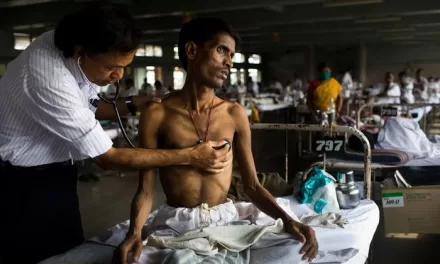
Health Minister Shylla clarified a critical medical distinction during the Assembly session: none of the recorded fatalities were caused directly by the HIV virus itself. Instead, patients succumbed to opportunistic infections (OIs).
“It is pertinent to note that all the reported deaths were due to opportunistic infections, and no death has been attributed directly to HIV/AIDS,” Shylla stated.
In medical terms, HIV weakens the immune system by destroying CD4 cells. When the immune system is sufficiently compromised, the body becomes vulnerable to infections that a healthy person could easily fight off, such as tuberculosis (TB), fungal pneumonia, or certain cancers.
Legal and Social Barriers to Care
Despite the availability of treatment, the state faces a dual challenge: the strict (but necessary) legal protections of the HIV and AIDS (Prevention and Control) Act and the persistent shadow of social stigma.
Under current law, HIV testing cannot be conducted without informed consent, and healthcare providers cannot force patients to adhere to medication. “HIV status must remain confidential,” Shylla reminded the Assembly, noting that while these protections preserve human rights, they require the government to rely on voluntary cooperation and trust-building rather than mandatory screening.
The Stigma Factor
Stigma remains the “second epidemic” in Meghalaya. Fear of being ostracized often prevents individuals from seeking testing until they are already symptomatic. To combat this, the state is shifting its approach from clinical silos to community-led engagement.
“HIV is no longer a death sentence,” Shylla said. “Though it cannot be cured, it can be treated, allowing people to live a dignified life.”
The “Mission-Mode” Response: A ₹25 Crore Initiative
To curb the “alarming rise” of infections, Chief Minister Conrad K. Sangma and the state cabinet have approved a five-year mission-mode program. Backed by a ₹25 crore ($3 million USD) sanction, the initiative focuses on:
-
Expanded Testing: Strengthening the 392 existing Integrated Counselling and Testing Centres (ICTC).
-
Mobile Outreach: Deploying four mobile ICTC units to reach remote villages where terrain prevents easy access to hospitals.
-
Community Integration: Engaging traditional community institutions and legislators to normalize the conversation around sexual health.
-
Legislative Advocacy: The constitution of an Assembly forum on HIV/AIDS, where lawmakers have already collectively donated vehicles to assist in transporting patients to ART centers.
Expert Perspective: Moving Beyond the Numbers
Independent health experts suggest that Meghalaya’s “highest in the country” status may be partially due to increased detection.
“When you increase the number of testing centers to nearly 400 in a state of Meghalaya’s size, you are going to find the ‘hidden’ cases,” says Dr. Anjali Kurien, a public health researcher specializing in Northeast India (not involved in the state report). “The real challenge now is retention in care. Finding 10,000 people is the first step; ensuring they stay on ART for the next 30 years is the second.”
Dr. Kurien notes that in many parts of the Northeast, the drivers of HIV often include a complex mix of intravenous drug use (IDU) and high-risk sexual behavior. “We must address the underlying socio-economic factors, including substance use disorders, if we want to flatten the curve,” she added.
What This Means for the Public
For residents of Meghalaya and the general public, the health department emphasizes three key takeaways:
-
Early Detection is Life: Modern ART can reduce the viral load to “undetectable” levels. When the virus is undetectable, it cannot be transmitted sexually (U=U: Undetectable = Untransmittable).
-
Confidentiality is Guaranteed: By law, your status cannot be shared with employers, family, or the public without your express consent.
-
Treatment is Free: ART is provided free of charge through government centers, removing the financial barrier to long-term health.
As Meghalaya embarks on this five-year mission, the goal is clear: transition from crisis management to a sustainable model of public health where HIV is a manageable chronic condition rather than a silent threat.
Statistical Overview: HIV in Meghalaya (2026)
| Category | Statistic |
| Total on ART Treatment | 10,293 |
| Total Deaths (10 Years) | 749 |
| Testing Centers (ICTC) | 392 |
| Mobile ICTC Units | 4 |
| Mission Budget | ₹25 Crore |
References
-
State Assembly Report: Proceedings of the Meghalaya Legislative Assembly, Question Hour (Feb 25, 2026).
Medical Disclaimer: This article is for informational purposes only and should not be considered medical advice. Always consult with qualified healthcare professionals before making any health-related decisions or changes to your treatment plan. The information presented here is based on current research and expert opinions, which may evolve as new evidence emerges.