 0
0
 0
0
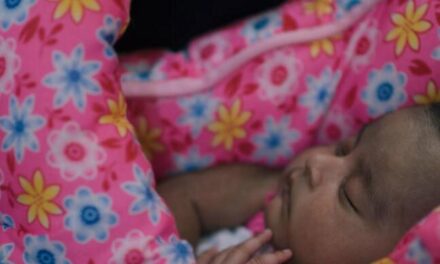
In a troubling case of medical negligence, a five-year-old child suffering from a high fever of approximately 104 degrees Fahrenheit (about 40°C) was mistakenly administered multiple anti-rabies vaccine doses at Bagaha Sub-Divisional Hospital in West Champaran district, Bihar. The incident has sparked outrage from the child’s family and raised serious concerns about patient safety and procedural oversight in healthcare facilities in the region.
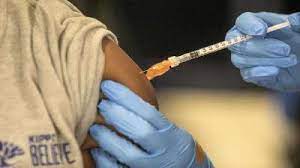
The child, named Saurabh Kumar, was brought to the hospital by his grandfather, Sanjay Chaudhary, from the village of Pipariya for fever treatment. During the outpatient department (OPD) consultation, Dr. Rampravesh Bharti, who was attending the OPD in place of the regular doctor Dr. Arun Kumar Yadav (who was occupied with post-mortem duties), mistakenly prescribed an anti-rabies vaccine. This prescription was intended for a different patient but was inadvertently given to Saurabh during the consultation. Acting on this prescription, Saurabh was administered the anti-rabies injection at the hospital’s medicine counter and was instructed to return on September 1 for the fourth dose, a follow-up dose typical for post-exposure prophylaxis after dog bites.
The mix-up came to light only when the family was called for the next scheduled dose and learned that Saurabh had been treated as a dog bite victim, despite never being bitten. The grandparents’ shock turned into anger as they accused the hospital staff of gross negligence and demanded an immediate investigation with accountability for those responsible. The hospital’s deputy superintendent, Dr. Ashok Kumar Tiwari, acknowledged the error, explaining the mix-up was due to a prescription confusion between patients and reassured that no harm had come to the child. He confirmed that the child had since been given appropriate fever treatment and medication.
This incident highlights several key issues in healthcare delivery in rural government hospitals: the need for stringent prescription verification before drug administration, the challenges of understaffing and doctor availability impacting patient care, and the consequences of lapses that can jeopardize patient safety. While the hospital assured that the anti-rabies vaccine poses no danger to the child, experts emphasize that administering vaccines or medications without clear indication can cause unnecessary stress, side effects, and mistrust in health systems.
Medical experts underline that anti-rabies vaccine is a critical post-exposure prophylaxis for rabies, a fatal viral disease primarily transmitted through dog bites. However, its use is specifically indicated only when the patient has been exposed to potential rabies virus infection. Misuse may lead to avoidable reactions and diverts resources from necessary care. Such errors also underline systemic issues that need addressing to prevent repeat occurrences, such as staff training, electronic health records to prevent prescription errors, and better supervision.
The family’s demand for disciplinary action and a thorough inquiry reflects a broader public call for improved quality and accountability in government health services. Cases like this erode public trust, emphasizing the need to strengthen healthcare delivery protocols, especially in underserved rural areas.
Health authorities and hospital administrations must take this event as a cautionary tale to implement tighter safeguards and continual professional education for healthcare workers to mitigate medical errors. It also serves as a reminder for caretakers to be vigilant about treatment plans and medications being administered and to seek clarification immediately if something seems amiss.
Medical Disclaimer: This article is for informational purposes only and should not be considered medical advice. Always consult with qualified healthcare professionals before making any health-related decisions or changes to your treatment plan. The information presented here is based on current research and expert opinions, which may evolve as new evidence emerges.
References: