 0
0
 0
0
New Delhi — In an unprecedented move, over 80 of India’s most distinguished medical experts have issued a joint national advisory declaring the country’s air pollution crisis a “public health emergency.” The signatories, all recipients of the Padma Awards—one of India’s highest civilian honors—warn that toxic air is no longer a seasonal nuisance but a “direct and ongoing threat to human life,” linking it to nearly 1.7 million annual deaths.
The advisory, released on December 4, 2025, marks a significant escalation in the medical community’s stance on environmental health. Led by renowned clinicians such as Dr. Naresh Trehan, Dr. Randeep Guleria, and Dr. Nikhil Tandon, the coalition argues that the health impacts of pollution have reached “unmanageable levels,” affecting every organ system in the body and threatening future generations.
The Advisory: Beyond Respiratory Disease
The doctors’ statement dismantles the common perception that air pollution primarily affects the lungs. While respiratory issues remain a major concern, the advisory highlights alarmingly systemic effects.
“Air pollution is widely misunderstood as just a cough or a breathing problem,” the advisory states. “It is a systemic poison.”
Key medical findings highlighted in the advisory include:
-
Genetic Damage: Long-term exposure to PM2.5 (fine particulate matter) is causing chromosomal breakages and telomere shortening, which accelerates aging and genetic instability.
-
Cardiovascular Risks: Up to 40% of stroke-related mortality in India is now attributed to pollution exposure.
-
Chronic Disease: Toxic air is worsening outcomes for diabetes and hypertension and is linked to metabolic disorders.
-
Child Health: Approximately 400,000 child deaths annually are linked to toxic air, with survivors facing permanent lung damage and developmental delays.
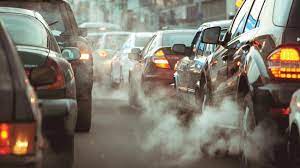
The advisory also sheds light on emerging threats, such as the presence of microplastics and nanoplastics in ambient air, particularly near high-traffic zones. These particles are now associated with chronic inflammation and endocrine disruption, further complicating the public health landscape.
By the Numbers: A Deepening Crisis
The urgency of the doctors’ plea is underscored by staggering statistics. Citing data from the Lancet Countdown on Health and Climate Change 2025 report, the advisory notes that 1.72 million deaths in India in 2022 were attributable to anthropogenic air pollution. This figure represents a 38% increase since 2010.
The economic toll is equally devastating. Premature mortality and morbidity due to air pollution cost India approximately $339.4 billion in 2022, equivalent to nearly 9.5% of the country’s GDP.
“PM2.5 levels in North India often reach 20 to 40 times the World Health Organization (WHO) safe limits,” the advisory notes. “Almost 70% of Indians are now breathing unsafe air.”
Expert Perspectives
While the advisory represents a consensus among India’s elite medical fraternity, international experts echo the severity of the situation.
Dr. Maria Neira, Director of the Department of Environment, Climate Change and Health at the World Health Organization (WHO), has repeatedly emphasized that air pollution is a global health emergency. Speaking on the broader context of such crises, Dr. Neira has noted, “We need to make sure that the non-communicable diseases community understands that by tackling air pollution, we are contributing enormously to reducing the burden of heart disease, stroke, and lung cancer.”
Her stance reinforces the Indian doctors’ argument: clean air is not just an environmental goal but a fundamental medical necessity. “The evidence is clear,” Dr. Neira has stated in previous addresses. “Delaying action is costing lives.”
Call to Action: Systemic and Personal Defenses
The Padma Awardees have proposed a two-pronged approach: urgent government intervention and immediate personal protection.
Government Recommendations:
The doctors urged the government to move beyond reactive measures. Their recommendations include:
-
Revising Protocols: Updating the Graded Response Action Plan (GRAP) thresholds to reflect real health risks rather than just meteorological data.
-
Health Emergencies: Officially declaring “severe” pollution days as public health emergencies, triggering school closures and work-from-home mandates.
-
Strict Controls: Enforcing zerotolerance policies on construction dust, industrial emissions, and open burning.
-
Monitoring: Establishing a national programme to monitor microplastics in the air.
Guidance for the Public:
Acknowledging that systemic change takes time, the advisory provided practical steps for citizens to protect themselves immediately:
-
Indoors: Use HEPA air purifiers if affordable. For those without purifiers, regular wet mopping and improved ventilation (when AQI allows) are critical. Avoid indoor pollutants like incense sticks (dhoop) and mosquito coils.
-
Outdoors: Wear N95 masks; surgical or cloth masks provide insufficient protection against PM2.5.
-
Vulnerable Groups: The elderly, pregnant women, and those with pre-existing conditions should minimize outdoor exposure and ensure they are vaccinated against pneumonia and influenza to prevent complications.
Limitations and Counter-Perspectives
While the medical consensus is strong, attributing deaths solely to air pollution remains a complex challenge in policy discussions. The Union Ministry of Environment, Forest and Climate Change has previously described such mortality figures as “statistical estimates with limitations,” arguing that there is no conclusive data to establish a direct correlation of death exclusively to air pollution.
Government officials have often pointed out that health outcomes are synergistic, influenced by diet, occupational hazards, socioeconomic status, and genetics. However, the sheer scale of the epidemiological data presented by the Lancet and the Padma Awardees suggests that while pollution may not be the only killer, it is a massive, accelerating multiplier of death and disease.
Implications for Public Health
This advisory serves as a watershed moment. By framing air pollution as a “medical emergency” rather than an “environmental issue,” these top doctors are shifting the narrative. The implication is clear: clean air must be treated as a non-negotiable human right, similar to clean water.
For the average citizen, the message is stark. The air you breathe is actively shaping your long-term health. “Without urgent coordinated intervention,” the doctors warned, “India risks long-term and irreversible health damage across generations.”
Medical Disclaimer
Medical Disclaimer: This article is for informational purposes only and should not be considered medical advice. Always consult with qualified healthcare professionals before making any health-related decisions or changes to your treatment plan. The information presented here is based on current research and expert opinions, which may evolve as new evidence emerges.
References
-
Primary Source: ETHealthWorld. (2025, December 4). Padma Awardee Doctors Issue National Advisory Urging Immediate Action on Air Pollution. Economic Times.