 0
0
 0
0
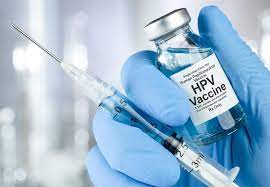
NEW DELHI — In a decisive move to combat cervical cancer, the Government of India officially launched a nationwide Human Papillomavirus (HPV) vaccination campaign on February 28, 2026. Targeting 14-year-old girls across all 36 States and Union Territories, the initiative provides the Gardasil-4 vaccine free of charge at government health facilities. This public health milestone arrives alongside a sweeping overhaul of clinical research ethics and regulatory oversight, addressing long-standing recommendations from Parliamentary Committees to ensure participant safety and institutional accountability.
The rollout, confirmed by Union Minister of State for Health and Family Welfare, Shri Prataprao Jadhav, in a written reply to the Lok Sabha, marks the culmination of years of technical deliberation and infrastructure building. By integrating the vaccine into the U-WIN digital platform and mandating strict parental consent, the government aims to bridge the gap between advanced medical prevention and grassroots healthcare delivery.
A Dual Approach: Prevention and Protection
The current strategy is two-pronged: deploying a life-saving vaccine while simultaneously hardening the regulatory landscape that governs medical research in India.
The Ministry of Health’s recent actions were prompted by the 72nd and 81st Reports of the Department-Related Parliamentary Standing Committee. These reports underscored the need for rigorous ethical standards following previous controversies surrounding vaccine trials. In response, the government has implemented the New Drugs and Clinical Trials Rules (NDCTR), 2019, creating a streamlined yet stringent framework for drug approvals and trial monitoring.
Strengthening the Ethical Backbone
A central pillar of these reforms is the mandatory registration and oversight of Ethics Committees. Through the newly established NAITIK and SUGAM portals, the Department of Health Research (DHR) and the Central Drugs Standard Control Organization (CDSCO) now provide real-time monitoring of committee compositions and functions.
“The integrity of clinical research relies entirely on the independence and rigour of Ethics Committees,” says Dr. Ananya Sharma, an independent bioethics consultant not involved in the government rollout. “By mandating prospective registration on the Clinical Trials Registry of India (CTRI) before the first participant is enrolled, we are seeing a shift toward radical transparency that was previously lacking.”
Key reforms include:
-
Updated ICMR Guidelines (2017): Enhanced protections for vulnerable participants and mandatory risk-minimization strategies.
-
Revised SOPs: Stricter regulation of international health research collaborations through the Health Ministry’s Screening Committee.
-
Enhanced Oversight: Ethics Committees are now legally required to ensure follow-up safeguards for all research participants.
The Vaccination Campaign: Logistics and Safety
The nationwide campaign focuses on a single-dose regimen of Gardasil-4. This decision aligns with recommendations from the Strategic Advisory Group of Experts on Immunization (SAGE) and the World Health Organization (WHO), which suggest that a single dose provides robust protection comparable to multi-dose schedules for this age group.
The vaccine is being administered at:
-
Ayushman Arogya Mandirs (Primary Health Centres)
-
Community Health Centres (CHCs)
-
District Hospitals and Government Medical Colleges
Safety and Consent
To address vaccine hesitancy, the government has emphasized that the program is voluntary. Registration is facilitated through the U-WIN portal, a digital backbone similar to the Co-WIN system used during the COVID-19 pandemic. Crucially, no child can be vaccinated without mandatory parental consent.
“Safety is the primary concern for any parent,” notes Dr. Rajesh Varma, a senior pediatrician. “The government’s decision to link every vaccination site to 24/7 Adverse Events Following Immunization (AEFI) Management Centres is a critical safety net. It ensures that any reaction, however minor, is handled by trained medical officers immediately.”
Public Health Implications
Cervical cancer remains the second most common cancer among women in India, claiming roughly 77,000 lives annually. Because HPV is a precursor to nearly all cervical cancer cases, widespread vaccination of adolescent girls—before exposure to the virus—is viewed by experts as the most effective long-term prevention strategy.
“We are looking at a future where cervical cancer could be eliminated as a public health problem in India,” says Dr. Sunita Krishnan, a public health researcher. “However, the challenge lies in the last-mile delivery. While the vaccine is free at government centers, ensuring that rural and marginalized populations utilize the U-WIN platform will require sustained community engagement.”
Limitations and Considerations
While the campaign is a major step forward, some health advocates point out potential hurdles:
-
Age Specificity: Currently, the free rollout is limited to 14-year-old girls. Advocacy groups suggest expanding the age bracket (9–14 years) as recommended by the WHO to maximize impact.
-
State-Level Execution: Since health is a “State subject” under the Indian Constitution, the efficiency of the rollout may vary between states, despite the central government’s training of paramedical staff.
-
The “Single-Dose” Debate: While SAGE and NTAGI support the single-dose efficacy, long-term longitudinal data in the Indian context will be vital to confirm lifelong immunity.
Moving Forward
The integration of the HPV vaccine into the national health framework represents a coming-of-age for India’s public health policy—one that balances aggressive disease prevention with a renewed commitment to medical ethics. As the campaign progresses through 2026, the focus will shift from clinical registration to ensuring that every eligible girl has the information and access needed to protect her future health.
Medical Disclaimer: This article is for informational purposes only and should not be considered medical advice. Always consult with qualified healthcare professionals before making any health-related decisions or changes to your treatment plan. The information presented here is based on current research and expert opinions, which may evolve as new evidence emerges.
References
Official Sources:
-
Press Information Bureau (PIB) Delhi. (March 13, 2026). Measures taken to Strengthen HPV Vaccination Programme.