 0
0
 0
0
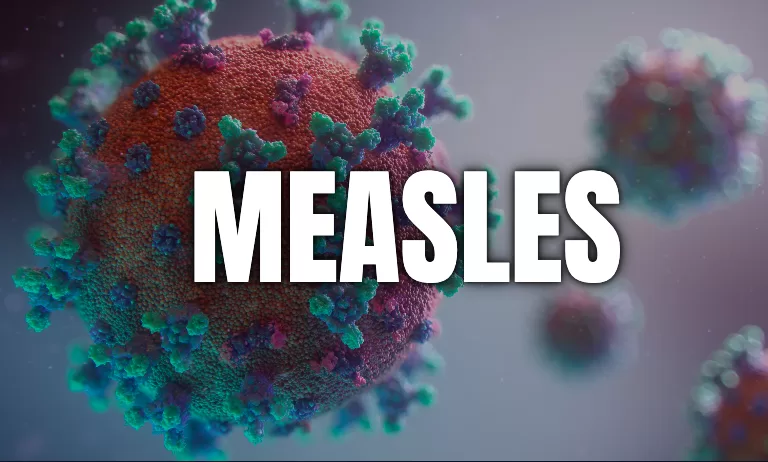
Rising measles cases are prompting global health experts to sound the alarm—not just about the immediate dangers of the disease, but its far-reaching impacts on the immune system. According to recent analysis, measles virus infections can lead to serious complications, particularly in children, including blindness, pneumonia, severe diarrhoea, and even death.
Health authorities stress that the world has a powerful tool to combat these risks: measles vaccination. Since 2000, vaccines have averted an estimated 60 million deaths worldwide, underlining their critical role in child health. However, this progress is now threatened by a sharp rise in cases across the UK and globally, fuelled by vaccine hesitancy and missed immunisation campaigns, which leave millions of children unprotected.
Emerging studies highlight a further cause for concern. Beyond the danger of measles itself, infection with the virus may seriously impair the body’s immune memory, essentially erasing prior immune protection and leaving children vulnerable to other illnesses. By contrast, children who receive the measles vaccine experience a significantly lower risk of contracting infections unrelated to measles, suggesting that vaccination provides important secondary health benefits.
With cases accelerating, public health experts warn that renewed efforts toward widespread immunisation are essential—not just to prevent measles, but to safeguard children’s broader immunity and well-being.
Disclaimer: This article is based on information available as of July 17, 2025, from the University of Nebraska Medical Center. The content is for informational purposes and should not be considered a substitute for professional medical advice, diagnosis, or treatment. Always consult your healthcare provider regarding your health and immunisation decisions.