 0
0
 0
0
JERUSALEM, Aug. 28, 2025 — Israel’s Health Ministry has reported a surge in measles infections, with 152 new cases confirmed on Thursday, raising the total to 770 since the outbreak began in early April. The ministry estimates that between 1,550 and 2,750 people could be infected, based on hospitalization rates and community reports, signaling an intensifying public health challenge in the region.
Key Findings and Current Status
Currently, 228 patients remain actively diagnosed with measles, including 24 who are hospitalized—most of whom are children under six years old. Two patients are in critical condition within intensive care units, with one requiring extracorporeal membrane oxygenation (ECMO) support, an advanced life-sustaining intervention used when conventional treatments fail. Tragically, the outbreak has resulted in the deaths of two young boys, aged 18 months and two years, both unvaccinated against the disease.
In response to the outbreak, which started in early April, Israel’s Ministry of Health initiated a nationwide vaccination campaign in May. Since then, over 115,000 vaccine doses have been administered to curb the spread of the virus.
Expert Perspectives and Context
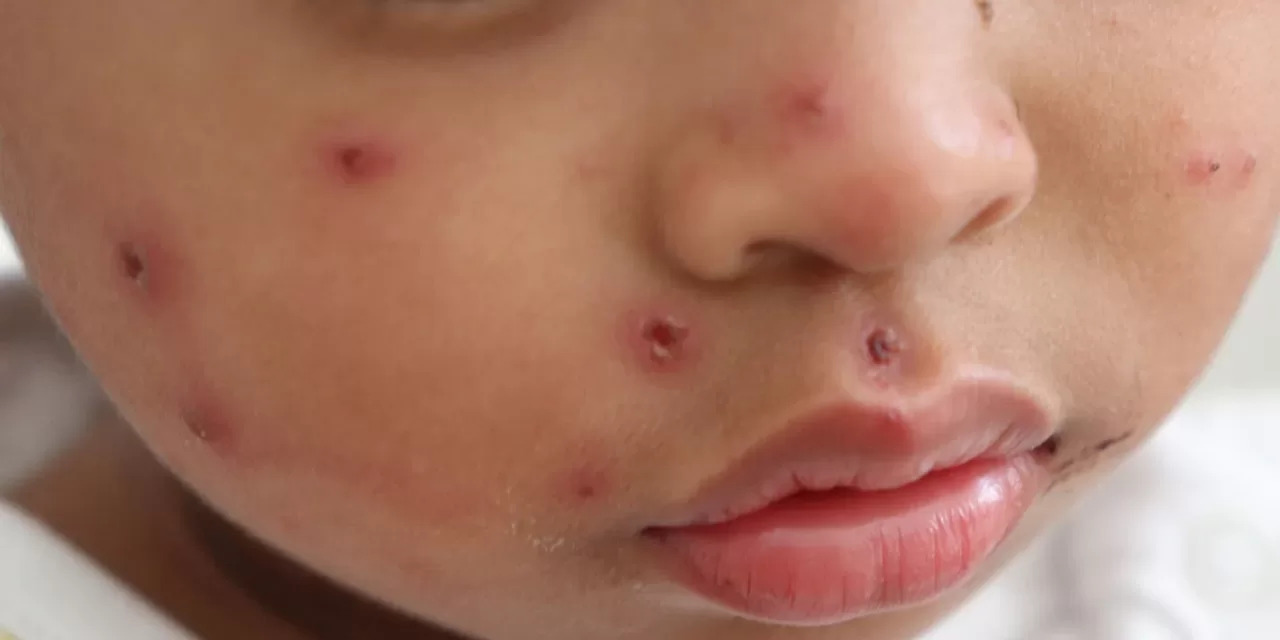
Measles is a highly contagious viral respiratory illness characterized by symptoms such as fever, fatigue, runny nose, and a distinctive rash. While often considered a childhood illness, measles can cause severe complications including pneumonia, encephalitis, and even death, particularly in young children or immunocompromised individuals.
Dr. Rachel Levine, an infectious disease specialist unaffiliated with the Israeli Health Ministry, states, “This outbreak underscores the critical importance of vaccination. Measles is preventable with safe, effective vaccines that have been globally endorsed by public health authorities for decades.” She adds, “The resurgence in vaccinated populations typically points to gaps in vaccine coverage, delayed immunizations, or waning immunity in certain groups.”
Public Health Implications
The rising measles cases amid this outbreak serve as a stark reminder of the consequences when herd immunity thresholds are not maintained. Measles requires approximately 95% immunization coverage to prevent sustained transmission in communities. Declining vaccination rates, whether due to misinformation, access issues, or vaccine hesitancy, create vulnerabilities for outbreaks.
Israel’s proactive vaccination efforts represent a critical public health measure to suppress the outbreak. However, the lingering number of hospitalizations and severe cases highlight challenges ahead, including reaching unvaccinated populations and educating communities on the importance of timely immunization.
Limitations and Perspectives
While the Health Ministry’s estimate of as many as 2,750 infections illustrates the potential scale, actual numbers may vary due to factors such as underreporting or asymptomatic cases. Additionally, despite the vaccination campaign’s progress, it may take weeks to months to achieve full control, given measles’ high infectivity and incubation period.
Balancing public communication about the severity of measles and vaccine safety remains important to prevent both alarm and complacency. Experts caution against sensationalism, emphasizing that vaccination remains the most effective and safe strategy to prevent measles-related morbidity and mortality.
Practical Takeaways for the Public
For individuals and families, especially those with young children, this outbreak highlights the necessity of ensuring measles vaccinations are up to date in accordance with health authority guidelines. Parents should consult healthcare providers about immunizing infants and children and seek advice on catch-up vaccination if needed.
Moreover, community-wide cooperation in vaccination efforts helps protect those who cannot be vaccinated due to medical reasons, such as infants too young for the vaccine or immunocompromised persons, by reducing overall disease circulation.
Medical Disclaimer: This article is for informational purposes only and should not be considered medical advice. Always consult with qualified healthcare professionals before making any health-related decisions or changes to your treatment plan. The information presented here is based on current research and expert opinions, which may evolve as new evidence emerges.
References:
-
Israel Ministry of Health, measles outbreak report, August 28, 2025.
-
Expert interview: Dr. Rachel Levine, Infectious Disease Specialist.
-
Centers for Disease Control and Prevention (CDC), Measles Information, 2024.
-
World Health Organization, Measles Fact Sheet, 2023.
This comprehensive update emphasizes that measles, despite being vaccine-preventable, remains a threat when immunization gaps persist, reinforcing the global need for vigilance and vaccination adherence to protect public health .