 0
0
 0
0
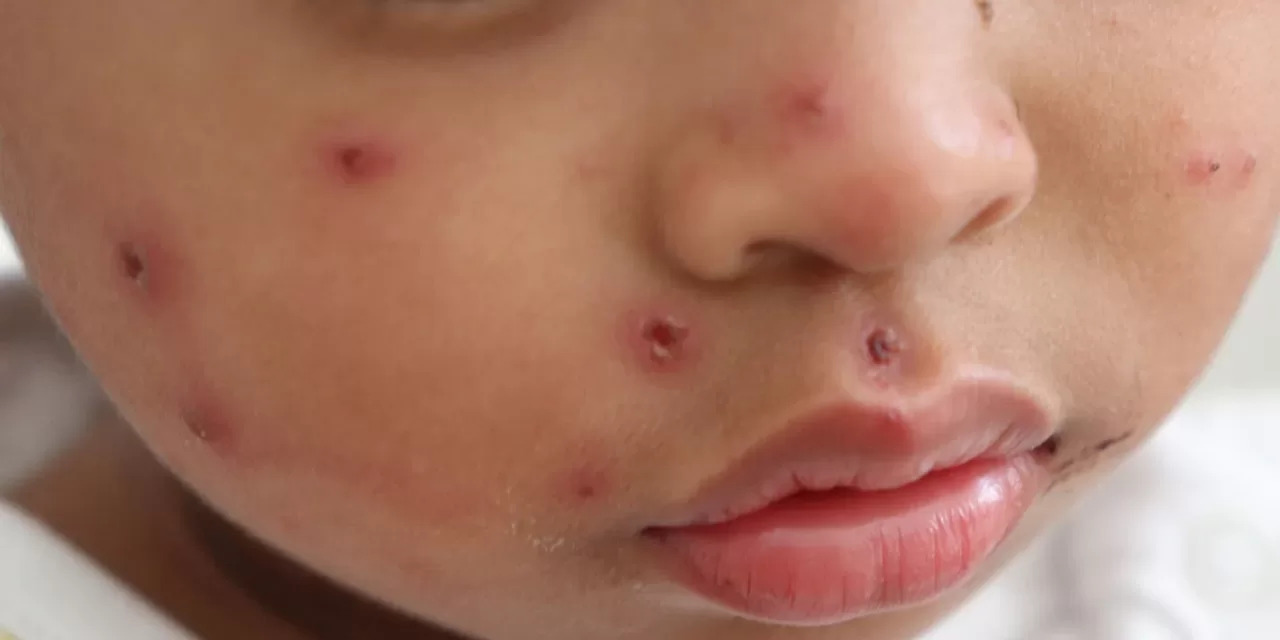
Karnataka has witnessed a notable decline in overall measles incidence in recent months, but certain areas-particularly within the Bruhat Bengaluru Mahanagara Palike (BBMP) limits and Ballari district-continue to report higher numbers of cases, raising concerns among public health officials.
Statewide Trends Show Improvement
Data from the Karnataka health department indicate that, after a sharp spike in measles and rubella cases between 2021 and 2023, the state is now seeing a downward trend in overall incidence. Between May 2021 and April 2022, Karnataka reported 451 cases of measles and rubella combined, but this number soared to 3,098 between May 2022 and April 2023, with measles alone accounting for 2,871 cases in the latter period1. The surge was attributed to an immunization gap during the COVID-19 pandemic and improved disease surveillance.
Despite the recent improvement, Karnataka still records the highest number of measles-rubella cases and outbreaks among all South Indian states, though experts note this could be due to both higher actual incidence and more robust surveillance efforts1.
Persistent Hotspots: BBMP and Ballari
While the overall trend is positive, localized outbreaks remain a challenge. BBMP, which governs Bengaluru, and Ballari district have been identified as pockets with higher case numbers. Health officials attribute this to clusters of unvaccinated children and gaps in routine immunization coverage during the pandemic years2.
In Bengaluru, for example, paediatricians have reported a rise in measles cases over the last year, with 10 to 12 cases seen in just two months at some hospitals-a trend not observed before the pandemic2. Such outbreaks are defined as five or more cases, or any death, confirmed from a small geographical area within four weeks1.
Vaccination Coverage and Government Response
Experts emphasize that measles is almost entirely preventable through vaccination. However, Karnataka’s MR (measles-rubella) vaccine coverage was only 82% in 2020-2021 and 86% in 2021-2022, falling short of the 95% coverage needed for effective herd immunity2. The immunization gap, particularly during the pandemic, left many children vulnerable to infection.
In response, the state government has ramped up active case finding, screening children for fever and rash in both government and private hospitals, and is preparing for a national MMR (measles, mumps, rubella) vaccination drive12. Officials are urging that all children under 15 receive two doses of the vaccine, and have increased hospital and community surveillance to identify and contain outbreaks quickly12.
National Context
The resurgence in Karnataka mirrors a broader trend across India, where measles incidence doubled from 4.16 per million population in 2021 to 22.36 in 20222. The World Health Organization has flagged India as one of the top ten countries for suspected measles cases, with nearly 40 million children globally left susceptible due to disruptions in routine immunization during the pandemic2.
Looking Forward
With intensified vaccination campaigns and improved surveillance, Karnataka aims to meet the Union government’s target of measles elimination. Health officials remain cautiously optimistic but stress the need for continued vigilance, especially in urban and semi-urban pockets where immunization gaps persist.
“Many don’t know that those who missed this shot can take it as a two-course vaccination at any point in life,” said Dr. John Paul, an infectious diseases specialist1.
Disclaimer
This article is based on information available from secondary news sources and public health data as of April 2025. For the latest updates and specific health guidance, readers are advised to consult official government health advisories and consult with healthcare professionals.
Citations: