 0
0
 0
0
December 13, 2025
SPARTANBURG, S.C. — South Carolina health officials are scrambling to contain a rapidly expanding measles outbreak centered in the Upstate region, where cases have surged by more than 12% in just three days. As of Friday, the South Carolina Department of Public Health (DPH) reported 126 confirmed cases linked to the Spartanburg County cluster, with the statewide total for 2025 reaching 129.
The outbreak, now the largest in the state in decades, has forced 267 individuals into quarantine and another 13 into medical isolation. State epidemiologists describe the situation as “accelerating,” driven largely by declining vaccination rates and transmission within schools and unvaccinated community networks.
The Current Situation
The outbreak, which began simmering earlier this year, took a sharp turn this week with 15 new cases confirmed since Tuesday alone. The virus has infiltrated at least 11 schools in the region, prompting mass exposure notifications and quarantine orders for students and staff.
According to DPH data, children are bearing the brunt of the infection. Of the confirmed cases in the current outbreak:
-
24 are children under the age of 5.
-
86 are school-aged children between 5 and 17.
-
119 of the 126 infected individuals were unvaccinated.
“Accelerating is an accurate term,” said Dr. Linda Bell, South Carolina’s State Epidemiologist, during a press briefing on Wednesday. She noted that the sharp uptick represents a “spike in cases we are concerned about” and warned that ongoing transmission could continue for weeks if vaccination gaps are not addressed.
A “Perfect Storm” for Transmission
Health experts point to a critical drop in immunization coverage as the fuel for this resurgence. To maintain “herd immunity”—the threshold at which a disease cannot easily spread through a population—roughly 95% of a community needs to be vaccinated against measles.
However, data reveals that vaccination rates for South Carolina kindergarteners have slipped from nearly 96% in 2020 to approximately 93.5% for the 2024-2025 school year. While a drop of a few percentage points may seem minor, epidemiologists warn it effectively opens the door for the highly contagious virus to find footholds.
“Measles is the most contagious virus of any infection we know of,” explains Dr. Patsy Stinchfield, a pediatric nurse practitioner and infectious disease specialist who has tracked the national resurgence. “You’ve got to keep that immunization rate up… at 95% or higher. Anything less than that, that wily infectious virus finds its way and seeks and finds the unprotected.”
National Context: A Record-Breaking Year
The crisis in South Carolina is not an isolated event but part of a troubling national trend. The Centers for Disease Control and Prevention (CDC) reports that 2025 has been the worst year for measles in the United States in more than three decades.
As of early December, there have been 1,912 confirmed measles cases nationwide across 43 states, resulting in three confirmed deaths. The resurgence has been so severe that public health officials have warned the United States is teetering on the brink of losing its “measles elimination status,” a designation held since 2000 which certifies that the disease is no longer constantly present in the country.
Dr. Adam Ratner, a member of the American Academy of Pediatrics (AAP) Committee on Infectious Diseases, emphasized that the loss of this status would have profound implications for public health.
“We have to use the fact that we are still trusted voices to talk to families,” Ratner stated in an AAP report earlier this year regarding the national surge. “Measles infection can cause ‘immune amnesia,’ effectively erasing the immune system’s memory and protection from other diseases… increasing the risk of other infections for years.”
Symptoms and Public Guidance
Measles is an airborne virus that can linger in a room for up to two hours after an infected person has left. Symptoms typically appear 7 to 14 days after exposure and include:
-
High fever (often >104°F)
-
Cough, runny nose, and red, watery eyes
-
Tiny white spots (Koplik spots) inside the mouth
-
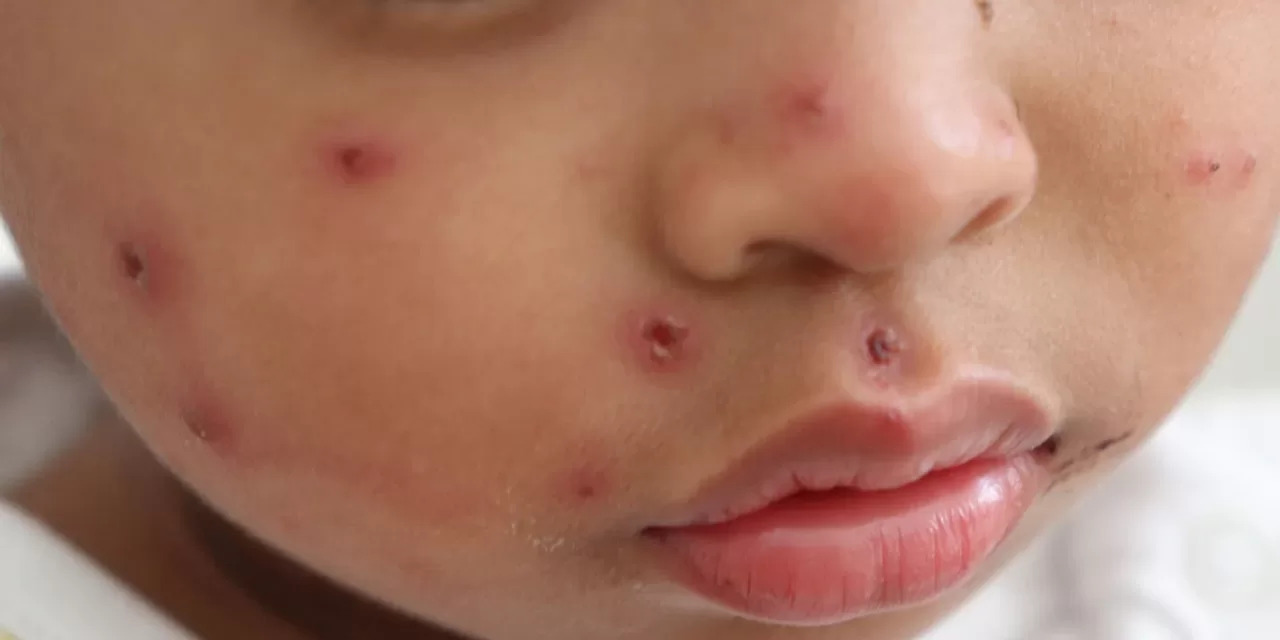
A rash that breaks out 3-5 days after symptoms begin, usually starting at the hairline and spreading downward.
The South Carolina DPH is urging anyone who suspects they have been exposed to call their healthcare provider immediately rather than visiting a clinic or emergency room in person, to prevent infecting others in waiting rooms.
“The most effective way to prevent measles is vaccination,” reiterates Dr. Caitlin Naureckas Li, an infectious disease specialist at Lurie Children’s Hospital, responding to the broader national outbreaks. “This vaccine is the best way for families to protect their children from potentially life-threatening complications.”
Looking Ahead
In response to the crisis, South Carolina health officials are prioritizing requests for Mobile Measles Vaccination Units and working to increase appointment availability at county health departments.
The coming weeks will be critical. With the holiday season increasing travel and indoor gatherings, officials fear the “accelerating” trend could worsen before it improves. The primary message from the medical community remains consistent: It is not too late to vaccinate. The MMR (measles, mumps, rubella) vaccine is safe, highly effective, and remains the only viable firebreak against the spreading virus.
Medical Disclaimer: This article is for informational purposes only and should not be considered medical advice. Always consult with qualified healthcare professionals before making any health-related decisions or changes to your treatment plan. The information presented here is based on current research and expert opinions, which may evolve as new evidence emerges.
References
-
Reuters. (2025, December 12). South Carolina measles cases rise to 126 amid accelerating outbreak.