 0
0
 0
0
The United States is experiencing a significant surge in measles cases, with confirmed infections surpassing 900 across 29 states, according to new data released by the Centers for Disease Control and Prevention (CDC) on Friday. As of May 1, 2025, a total of 935 cases have been reported, marking the highest annual count in decades and more than triple the total reported in all of 2024.
The affected states include Alaska, Arkansas, California, Colorado, Florida, Georgia, Hawaii, Illinois, Indiana, Kansas, Kentucky, Louisiana, Maryland, Michigan, Minnesota, Missouri, Montana, New Jersey, New Mexico, New York, Ohio, Oklahoma, Pennsylvania, Rhode Island, Tennessee, Texas, Vermont, Virginia, and Washington. At least six states-Indiana, Kansas, Michigan, New Mexico, Ohio, and Texas-are currently experiencing active outbreaks, defined as three or more related cases.
The CDC reports that 13% of measles patients this year have required hospitalization, with the majority of those hospitalized being under the age of 19. Tragically, three deaths have been confirmed so far in 2025.
A striking 96% of confirmed cases are among individuals who are unvaccinated or whose vaccination status is unknown. Only 2% of cases have occurred in people who received one dose of the measles, mumps, and rubella (MMR) vaccine, and another 2% in those who received both recommended doses. Health experts emphasize that the MMR vaccine is highly effective, with two doses providing about 97% protection against measles.
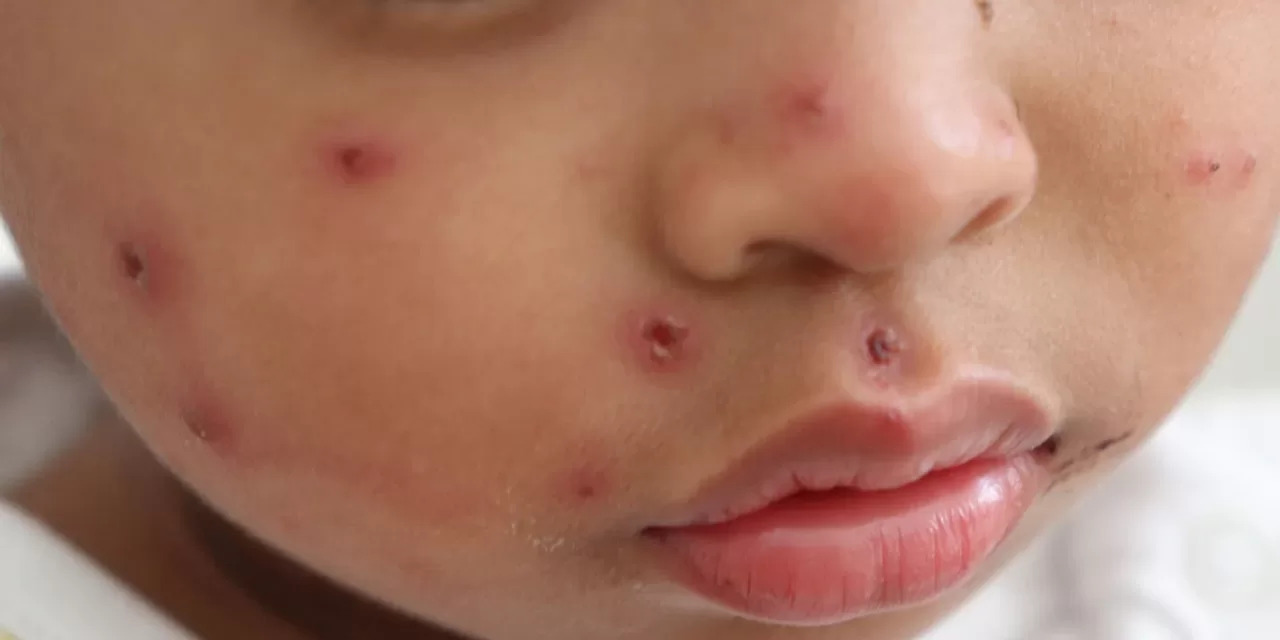
Dr. Conrad Fischer, chief of infectious diseases at One Brooklyn Health in New York City, expressed concern over the resurgence of a disease that was once nearly eradicated in the U.S. due to widespread vaccination. “This is a disease that was at the level of complete eradication; this should not be happening,” Fischer told ABC News. He highlighted the dangers of measles, which can cause severe complications such as pneumonia, encephalitis (brain swelling), and, in rare cases, death-especially among young children and immunocompromised individuals.
The CDC and public health officials warn that declining vaccination rates in recent years have contributed to the current outbreaks. In the decade before the measles vaccine became available, the CDC estimates that 3 to 4 million Americans contracted measles annually, resulting in tens of thousands of hospitalizations and hundreds of deaths each year.
The CDC recommends that all children receive two doses of the MMR vaccine: the first between 12 and 15 months of age, and the second between 4 and 6 years old. Vaccination remains the most effective tool to prevent further spread and protect vulnerable populations.
Disclaimer
This article is based on information available as of May 2, 2025, from the Centers for Disease Control and Prevention and other public health sources. The situation regarding measles outbreaks is evolving, and readers are encouraged to consult official health authorities for the latest updates and guidance.
Citations: