 0
0
 0
0
May 14, 2025 – The United States has recorded over 1,000 cases of measles in 2025, raising concerns among health experts that the highly contagious virus may become an ever-present threat rather than an occasional outbreak. The surge, centered primarily in the Southwest, has led to renewed calls for increased vaccination efforts and greater public awareness.
Southwest States at the Epicenter
Texas, New Mexico, and Oklahoma account for more than 80 percent of current infections, according to recent reports. The majority of cases have been seen in young people, with children under 5 years old making up 30 percent of illnesses and those between 5 and 19 years old comprising 38 percent.
“If the measles outbreak lasts for more than 12 months – which it is looking like it will in West Texas and New Mexico – it will be very probable that we will no longer consider measles eliminated in the U.S.,” said Dr. Peter Chin-Hong, an infectious disease specialist at the University of California, San Francisco. Elimination, he explained, means transmission is so low that measles is not considered a major public health threat, not that the virus is entirely gone.
Serious Health Risks and Hospitalizations
Measles is far from a harmless childhood illness. It can cause severe complications, including pneumonia and encephalitis (brain swelling), both of which may require hospitalization. This year, about 13 percent of those infected have needed hospital care, and more than three-quarters of those hospitalized were under the age of 20.
Declining Vaccination Rates Fuel Outbreaks
Experts point to declining vaccination rates as a key driver behind the resurgence. A recent JAMA study warned that a 10 percent drop in vaccination coverage could result in more than 11 million infections over the next 25 years. Dr. Nathan Lo, an infectious disease specialist at Stanford Medicine, noted a “worrisome pattern of decreasing routine childhood vaccinations,” fueled by vaccine fatigue, misinformation, and distrust.
Immunization Remains the Best Defense
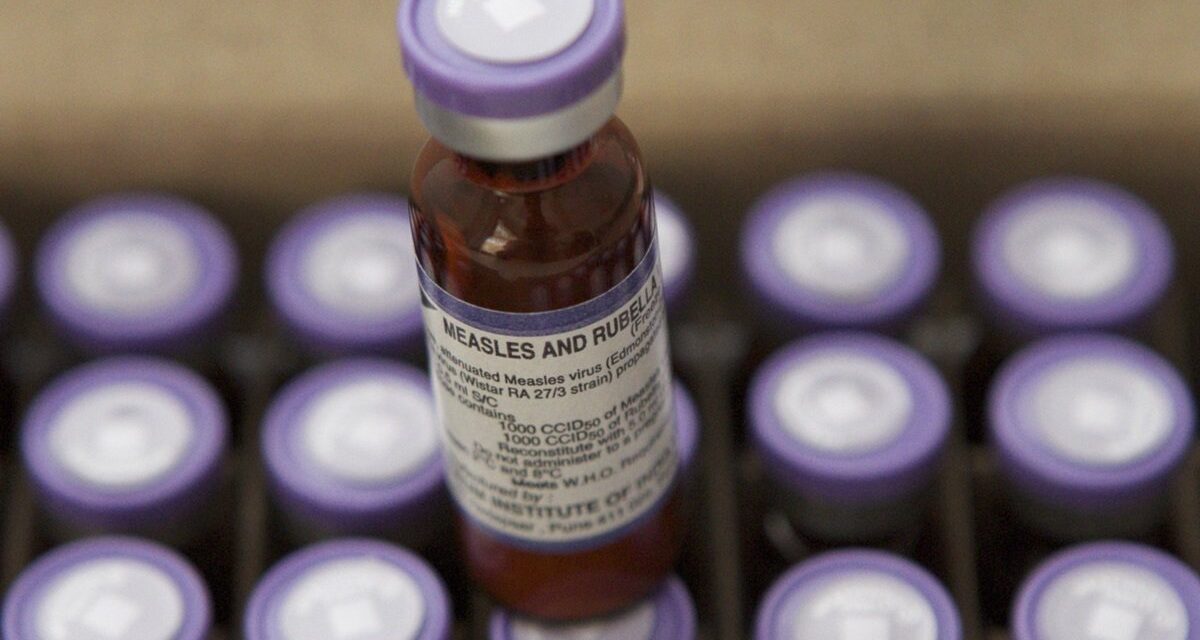
There is no antiviral treatment for measles. The measles-mumps-rubella (MMR) vaccine remains the best protection, with two doses offering strong and lasting immunity for most people. Health officials urge teens and adults to check their immunization status, especially those born between 1963 and 1967, as some early vaccines may have been less effective.
What’s Next?
Unless vaccination rates improve, health authorities warn that measles could become endemic in the United States, meaning it would circulate continuously rather than appearing in isolated outbreaks. The Centers for Disease Control and Prevention (CDC) and local health departments continue to monitor the situation closely and encourage all eligible individuals to get vaccinated.
Disclaimer:
This article is based on information from Everyday Health and other reputable sources as of May 2025. The situation regarding measles outbreaks and vaccination recommendations may change. For the most current information and personalized medical advice, please consult your healthcare provider or visit the official CDC website.
Citations: