 0
0
 0
0
SACRAMENTO, CA — Public health officials in Sacramento County are racing to contain a potential measles outbreak after an infectious, unvaccinated child attended an educational enrichment program earlier this month, exposing upwards of 130 children. The incident, confirmed by Sacramento County Public Health on March 4, 2026, has triggered a temporary facility closure and an intensive contact tracing operation.
This local scare arrives amidst a troubling national backdrop. As of March 2026, California has recorded 26 confirmed cases, contributing to a sharp U.S. spike that has seen nearly 1,300 infections in just over nine weeks. The situation highlights a growing vulnerability in community “herd immunity” as health departments struggle to keep pace with the most contagious virus known to medicine.
The Sacramento Exposure: A Timeline of Risk
The primary exposure occurred at an unnamed educational enrichment program where an infectious child participated in activities before being diagnosed. Because measles is an airborne virus that can linger in the air for up to two hours after an infected person has left a room, health officials consider all children present during the window of attendance to be at high risk.
The risk extended into the clinical setting on March 2, 2026. A confirmed case-patient was treated at the Kaiser Permanente Roseville Medical Center between 6:55 a.m. and 7:14 a.m. Hospital administrators and county officials are now working to identify every patient, staff member, and visitor who moved through the facility during that timeframe.
“Measles is highly contagious and can easily be brought back into our community through travel,” stated Dr. Olivia Kasirye, Sacramento County Public Health Officer. “The most important step for people to take right now is to make sure you and your family are up to date on the measles vaccination.”
A “Ridiculously Infectious” Disease
Measles is caused by a paramyxovirus and spreads with terrifying efficiency. Epidemiologists use a measurement called $R_0$ (basic reproduction number) to describe how many people one sick person will likely infect in a susceptible population. For measles, that number is between 12 and 18. By comparison, many strains of influenza hover around 1 to 2.
The virus typically follows a specific clinical path:
-
Incubation: 7 to 21 days after exposure.
-
Prodromal Phase: High fever, cough, coryza (runny nose), and conjunctivitis (red, watery eyes).
-
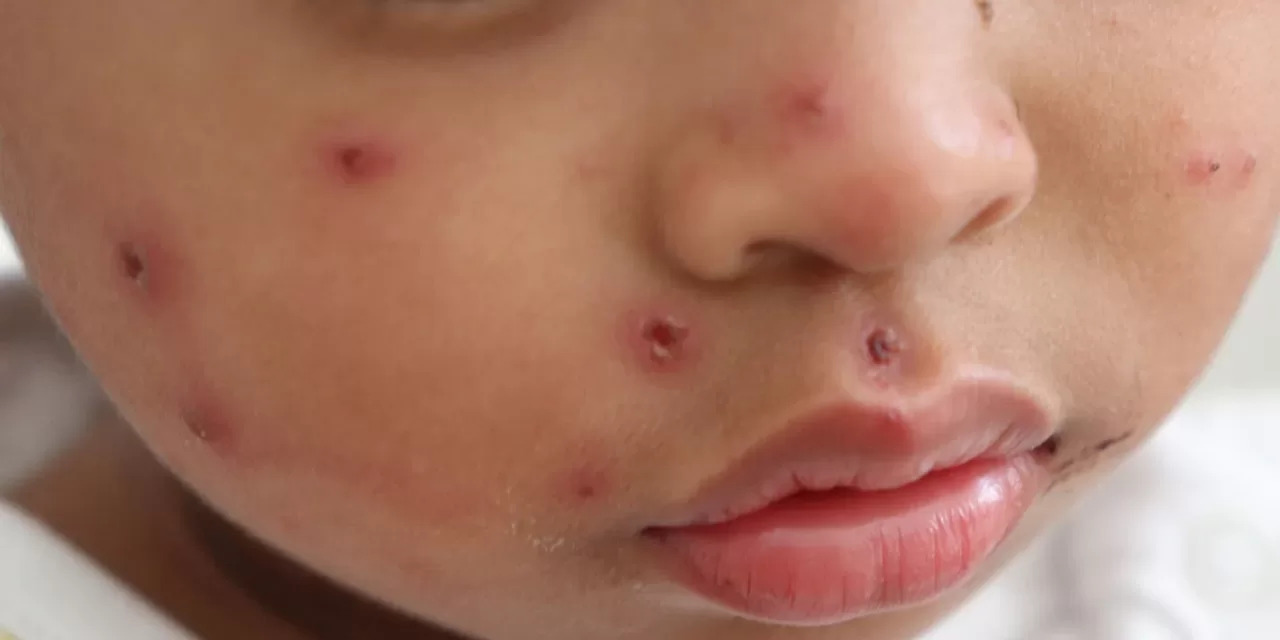
The Rash: A characteristic red, blotchy rash begins at the hairline and spreads downward to the trunk and extremities.
“That’s ridiculously infectious,” says Dr. Sharon Balter, Director of Acute Communicable Disease Control at Los Angeles County Public Health, who is monitoring the statewide trend. “It balloons very quickly, and because measles spreads so fast, we have to get on it right away.”
While often dismissed as a “childhood rite of passage” in the pre-vaccine era, the complications are severe. According to the CDC, approximately 1 in 5 unvaccinated people who get measles in the U.S. will be hospitalized. One out of every 1,000 children will develop encephalitis (swelling of the brain), which can lead to permanent neurological damage.
The Data: A National Resurgence
The current surge in 2026 is approaching levels not seen in decades. The Centers for Disease Control and Prevention (CDC) reported 1,281 cases nationwide by March 5, 2026. Data shows that 93% of these cases occurred in individuals who were either unvaccinated or had an unknown vaccination status.
| Region/Metric | Statistics (as of March 2026) |
| California Confirmed Cases | 26 |
| U.S. Total Cases (2026) | 1,281 |
| Hospitalization Rate | ~20% of unvaccinated cases |
| Vaccine Effectiveness | 93% (1 dose); 97% (2 doses) |
Dr. Erica Pan, Director of the California Department of Public Health (CDPH), warned that the virus does not discriminate. “Measles can lead to severe life-long consequences… and can also be fatal, especially for children.”
The Shield of Vaccination
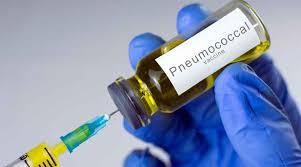
The Measles, Mumps, and Rubella (MMR) vaccine remains the primary defense against the virus. To maintain “herd immunity”—the threshold at which a virus can no longer find enough susceptible hosts to spread—a community must maintain a 95% vaccination rate. While California’s statewide kindergarten rate hovers near this mark, “pockets” of under-vaccination in specific neighborhoods or social groups provide the dry tinder for outbreaks.
For those exposed in the Sacramento incident, the window for intervention is narrow. The MMR vaccine can prevent the disease if administered within 72 hours of exposure. For high-risk individuals, such as infants or pregnant women, immune globulin (an injection of antibodies) may be given within six days of exposure.
Dr. Peter Hotez, a renowned pediatric infectious disease specialist, notes that the resurgence is fueled by more than just travel. “U.S. cases reflect declining trust in vaccines amid misinformation,” Hotez warned in recent public health analyses, urging adults born after 1957 to verify their immunity status, as they may only have received a single dose or none at all.
Limitations in Containment
Public health efforts face significant hurdles. Contact tracing relies heavily on the memory and cooperation of the public. Furthermore, because the initial symptoms of measles look exactly like a common cold or the flu, many individuals remain in the community during their most infectious period before the tell-tale rash appears.
There is also the challenge of vaccine hesitancy. While the MMR vaccine is rigorously tested and safe, rare side effects—occurring in roughly one in a million doses—are often amplified in online spaces, overshadowing the 1-to-3 per 1,000 death rate associated with the disease itself in unvaccinated populations.
Practical Steps for Residents
Health officials advise Sacramento residents to take the following actions:
-
Check Records: Visit sacvax.com or contact your primary care physician to confirm you have received two doses of the MMR vaccine.
-
Monitor Symptoms: If you were at the Kaiser Roseville facility on March 2 or have a child in an enrichment program, watch for fever and cough.
-
Call Ahead: If you suspect measles, do not walk into a clinic or ER. Call first so the facility can take precautions to prevent exposing other patients.
-
Travel Prep: If traveling internationally or to states with active outbreaks (such as South Carolina or Florida), ensure infants as young as 6 months receive an early “travel dose.”
As the investigation into the Sacramento exposure continues, the message from the medical community is clear: the virus is seeking out the unprotected. In a world of global travel, the only true border against measles is the one created by immunization.
References
Medical Disclaimer: This article is for informational purposes only and should not be considered medical advice. Always consult with qualified healthcare professionals before making any health-related decisions or changes to your treatment plan. The information presented here is based on current research and expert opinions, which may evolve as new evidence emerges.