 0
0
 0
0
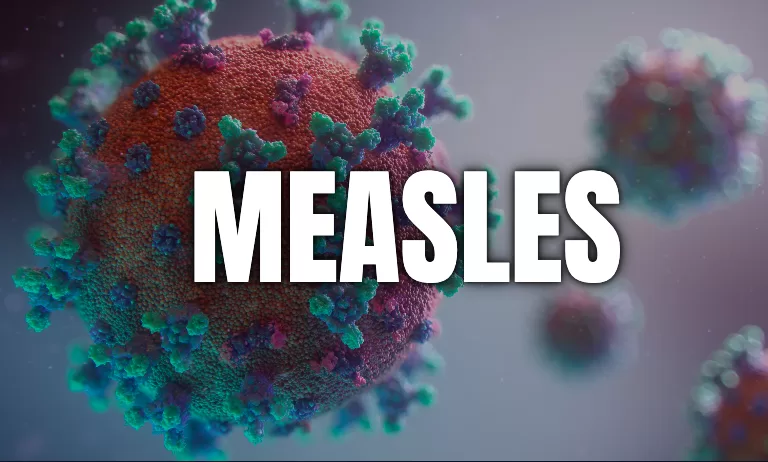
Sydney, Australia—November 14, 2025: Australian health authorities have issued a public alert after a confirmed measles case led to potential exposure at high-traffic locations, including Sydney’s central business district, airport, and a major concert attended by approximately 70,000 people between November 8 and 10. The alert, issued by New South Wales (NSW) Health, underscores concern over a spike in measles transmission as the nation grapples with declining vaccination rates and increasing global travel, both contributing to the resurgence of this highly contagious disease.
What Happened? Key Facts
According to NSW Health, a traveler from neighboring Queensland was infectious while visiting several busy venues in Sydney, including the airport, city trains, and the Accor Stadium for the Oasis concert. Public health officials advise that anyone in these locations during the exposure window should monitor for measles symptoms until November 28, as the disease can incubate for up to 18 days before symptoms emerge.
Dr. Jeremy McAnulty, Executive Director of Health Protection for NSW, emphasized in a statement, “It can take up to 18 days for symptoms to appear after an exposure to measles. If symptoms develop, such as fever, sore eyes, cough, or a rash, call your doctor or hospital ahead of visiting to avoid exposing others”.
Measles on the Rise: National and Global Context
This case is part of a broader resurgence of measles in Australia, with 153 confirmed cases reported so far in 2025—more than the previous five years combined. Of these, 30 occurred in Queensland and 28 in NSW. The upward trend mirrors global patterns, where reduced vaccination rates and increased travel have eroded previously achieved herd immunity. Western Australia has also seen a sharp rise, tallying 54 cases to date in 2025.
According to the World Health Organization, measles is one of the most contagious human viruses, with a single case capable of infecting 13–18 susceptible individuals in an unvaccinated population. Declining immunization rates, exacerbated by the COVID-19 pandemic and compounded by vaccine misinformation, have left some Australian regions below the 95% coverage needed for herd immunity.
Medical Insights and Expert Perspectives
Measles presents initially with fever, sore or red eyes, and a runny nose, followed by a characteristic red, blotchy rash that typically starts on the face before spreading. The infection can cause serious complications, especially in children under five, pregnant individuals, and people with weakened immune systems.
Dr. Frank Beard, MBChB, an infectious disease expert not involved in the current alert, warns: “Any decline in childhood coverage is a concern, even if overall population immunity remains above the threshold, as it will increase the risk of outbreaks, particularly as immunity gaps are much greater in some regions”.
Dr. Jeremy McAnulty reiterates, “Measles spreads easily through the air when an infected person coughs or sneezes. Prompt recognition and isolation of suspected cases are crucial to preventing spread”.
Practical Guidance: What Should the Public Do?
-
Monitor for Symptoms: Anyone who visited publicized exposure sites in Sydney or Brisbane between November 8 and 10 should watch for symptoms—fever, sore eyes, cough, and rash—through November 28 and seek medical advice if they appear.
-
Call Before Visiting: To prevent further spread, individuals with symptoms are urged to call ahead, rather than walk into clinics or hospitals unannounced.
-
Check Vaccination Status: Health authorities remind all people born after 1965 to ensure they’ve received two documented doses of the measles-mumps-rubella (MMR) vaccine. In NSW, the MMR vaccine is free for eligible groups, including all children at 12 and 18 months, and as catch-up for adults born after 1965 who missed earlier doses.
Dr. Sally Raman, a public health expert, adds, “The number one thing you can do to keep your community safe is maintain high vaccination rates. With outbreaks happening overseas and imported cases seeding local exposures, vigilance is crucial”.
Statistical Context
-
Australia has reported 153 cases in 2025—compare this to 57 in 2024, 26 in 2023, and none in 2021.
-
WA alone has tallied 54 cases this year.
-
12% of this year’s cases nationwide required hospitalization, with 95 of those being children under five. Three deaths have been recorded.
Limitations, Counterpoints, and Wider Implications
While health officials stress that there is no ongoing risk at any specific venues, the risk of outbreaks remains if immunity gaps persist. Some experts note that, although two doses of the MMR vaccine are about 97% effective, no vaccine is 100% effective. Occasionally, vaccinated individuals may still develop mild illness. Misinformation and vaccination delays continue to challenge public health efforts.
Broader Public Health Takeaways
This event highlights the critical importance of sustaining high immunization rates, ensuring rapid public notification, and providing clear guidance to both consumers and healthcare professionals. As global travel resumes post-pandemic, vigilance and timely vaccination are more vital than ever to curb the return of once-controlled infections like measles.
Medical Disclaimer
“This article is for informational purposes only and should not be considered medical advice. Always consult with qualified healthcare professionals before making any health-related decisions or changes to your treatment plan. The information presented here is based on current research and expert opinions, which may evolve as new evidence emerges.”
References
- https://www.womensweekly.com.au/health/sydney-measles-outbreak/
- https://tennews.in/measles-alert-issued-for-sydney-cbd-airport/