 0
0
 0
0
Kozhikode, June 14, 2025 — The Indian government’s proposal to launch an integrated MBBS-BAMS course at Jawaharlal Institute of Postgraduate Medical Education and Research (JIPMER), Puducherry, has ignited a fierce debate within the medical community. While modern medicine (allopathy) doctors are strongly opposing the move, Ayurvedic practitioners have welcomed the initiative as a progressive step toward integrative healthcare.
Opposition from Allopathy Doctors
The Indian Medical Association (IMA) and several other doctor groups have labeled the integration of MBBS (Bachelor of Medicine and Bachelor of Surgery) and BAMS (Bachelor of Ayurvedic Medicine and Surgery) as “unscientific” and “unfortunate.” The IMA, in a recent statement, demanded the withdrawal of the proposal, calling it a “regressive move” that could compromise public health. The association cited the experience of China, where similar attempts to mix traditional and modern medicine reportedly led to the decline of traditional practices.
IMA and allied organizations—including FAIMA Doctors Association, United Doctors Front, IMA Junior Doctors’ Network, and Telangana Junior Doctors Association—have voiced concerns that the integration could produce “hybrid doctors” lacking expertise in either system. They argue that such a move risks creating confusion among patients and diluting the standards of medical education and practice.
Support from Ayurveda Practitioners
In contrast, the Ayurvedic Medicine Manufacturers Organisation of India (AMMOI) has come out in support of the integrated course. AMMOI President P. Ramkumar and General Secretary D. Ramanathan highlighted the World Health Organization’s efforts to promote traditional, complementary, and integrative medicine, suggesting that combining the strengths of different medical systems could benefit patients.
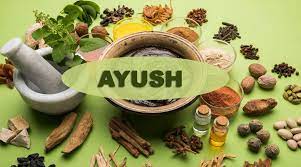
They pointed to the government’s co-location scheme, which allows AYUSH (Ayurveda, Yoga, Naturopathy, Unani, Siddha, and Homeopathy) and modern medicine to be provided together at primary health centers and hospitals. They also referenced the rising global demand for traditional remedies like Ashwagandha as evidence of the growing acceptance of Ayurveda.
According to AMMOI, more than 25% of drugs in any branch of medicine are derived from plants, and an integrated curriculum would help modern medicine practitioners better understand Ayurveda’s potential. They believe this approach could help dispel myths about Ayurvedic drugs and reduce overall dependence on pharmaceuticals.
Uncertainty Among Educators
Meanwhile, medical teachers in government colleges in Kerala expressed uncertainty about how the proposed course would be implemented. They noted that, apart from media reports, there is little clarity about the syllabus or the practical details of the integration.
Broader Context
The debate comes amid a long-standing divide between practitioners of modern medicine and traditional systems. The Supreme Court has previously ruled that AYUSH doctors cannot claim parity with MBBS practitioners, citing differences in workload, emergency duties, and the complexity of surgeries performed.
Conclusion
As the government moves forward with its plans, the medical community remains sharply divided. While allopathy doctors warn of the risks of mixing incompatible systems, Ayurveda practitioners see an opportunity to modernize and legitimize traditional medicine within the mainstream healthcare framework.
Disclaimer:
The views expressed in this article are based on statements from medical organizations and practitioners as reported in the media. The article is intended for informational purposes only and does not constitute medical advice or reflect an endorsement of any particular medical system. Readers are encouraged to consult qualified healthcare professionals for medical guidance.