0
0
 0
0
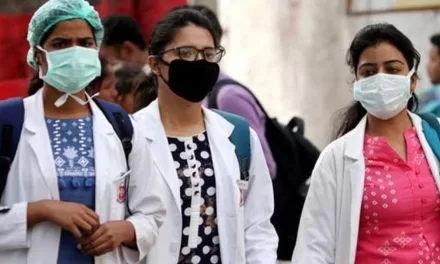
In a major medical admission scam that has shocked aspiring medical students and their families, a gang of fraudsters posing as legitimate MBBS admission agents duped four families of Rs 1.26 crore by promising MBBS seats in reputed private medical colleges in Uttar Pradesh. The scam surfaced in mid-2025 and has raised serious concerns about transparency and integrity in medical college admissions in the state.
The fraudsters operated under the guise of “Study Pathway Consultancy,” a fake consultancy office established in Vijayant Khand, Gomti Nagar, Lucknow. The group claimed to be authorized admission partners of the Hindu Institute of Medical Sciences (HIMS), a well-known private medical institution. They ran a convincing operation, reportedly having a staffed office with filing systems and official-looking documentation, which misled several families.
Key Developments and Modus Operandi
The scam came to light when Vijay Bahadur from Azamgarh sought an MBBS seat for his nephew. After discovering a convincing website and social media presence claiming partnership with HIMS, Vijay and his nephew were invited to the consultancy office. Two men posing as heads of HIMS’s admissions department quoted a fee of Rs 55 lakh covering tuition and brokerage charges. Vijay initially paid Rs 15 lakh via demand draft and later Rs 30 lakh in cash. Similar victims, including Rajesh Verma from Indore, Deep Singh from Fatehpur, and Preeti Singh from Lucknow, were defrauded Rs 20 lakh, Rs 38 lakh, and Rs 23 lakh respectively.
When delays and lack of communication about admissions grew suspicious, Vijay visited HIMS directly and discovered that the consultancy had no official sanction. The gang had disappeared, the office was locked, and the contact numbers were unresponsive. Investigations revealed the fraudulent use of the college’s name and the disposal of payments through bank accounts now closed.
Expert Commentary and Context
Medical education experts emphasize that admission fraud undermines public trust in the healthcare education system and exacerbates inequalities, as admissions should be merit-based through NEET, the national medical entrance examination. Dr. Anil Kumar, a professor of medical education not involved in the case, commented, “Such scams exploit the desperation of families seeking medical education and can lead to unqualified individuals occupying critical medical seats. This compromises healthcare quality in the long run.”
Background and Broader Issues in Medical Admission Frauds
The Uttar Pradesh scam is one part of a broader problem of medical education fraud in India. Similar cases involve forged NRI certificates, fake documents to secure seats under quotas, and examination paper rigging. For instance, the Enforcement Directorate uncovered scams involving forged NRI certificates in private colleges across West Bengal and Odisha, showing systemic collusion between agents and institutions.
The Uttar Pradesh government’s investigation had also canceled 64 MBBS admissions based on fake certificates found during the 2025 NEET UG admission process, highlighting the extent of admission irregularities in the state.youtube
Public Health Implications
These fraudulent activities have implications beyond education. Medical colleges function as training grounds for future healthcare professionals; thus, corruption in admissions compromises medical education standards and, ultimately, public health. It risks admitting unqualified students who may not meet the rigorous training requirements, weakening the quality of healthcare services.
Limitation and Counterarguments
While these cases reveal serious malpractices, experts caution against generalizing about the entire medical admission system. The majority of institutions follow prescribed norms, and regulatory agencies continuously update norms and monitoring mechanisms. Still, these scams necessitate stronger vigilance and reforms to protect students and uphold integrity.
Practical Implications for Readers
Aspiring medical students and their families should rely strictly on verified official channels for admissions, such as the National Eligibility cum Entrance Test (NEET) portal and authorized college websites. Consultation with recognized counselors and avoiding upfront payments without proper documentation is crucial to avoid such frauds.
Current authorities are actively investigating and attempting to apprehend the accused individuals behind the Uttar Pradesh scam, signaling the seriousness with which such offenses are treated.
Medical Disclaimer: This article is for informational purposes only and should not be considered medical advice. Always consult with qualified healthcare professionals before making any health-related decisions or changes to your treatment plan. The information presented here is based on current research and expert opinions, which may evolve as new evidence emerges.
References: