 0
0
 0
0
The Mayo Clinic has announced the development of a groundbreaking artificial intelligence tool, StateViewer, designed to diagnose nine different types of dementia—including Alzheimer’s disease—using just a single FDG-PET brain scan. This innovation promises to streamline and enhance the accuracy of dementia diagnosis, potentially transforming care for millions worldwide.
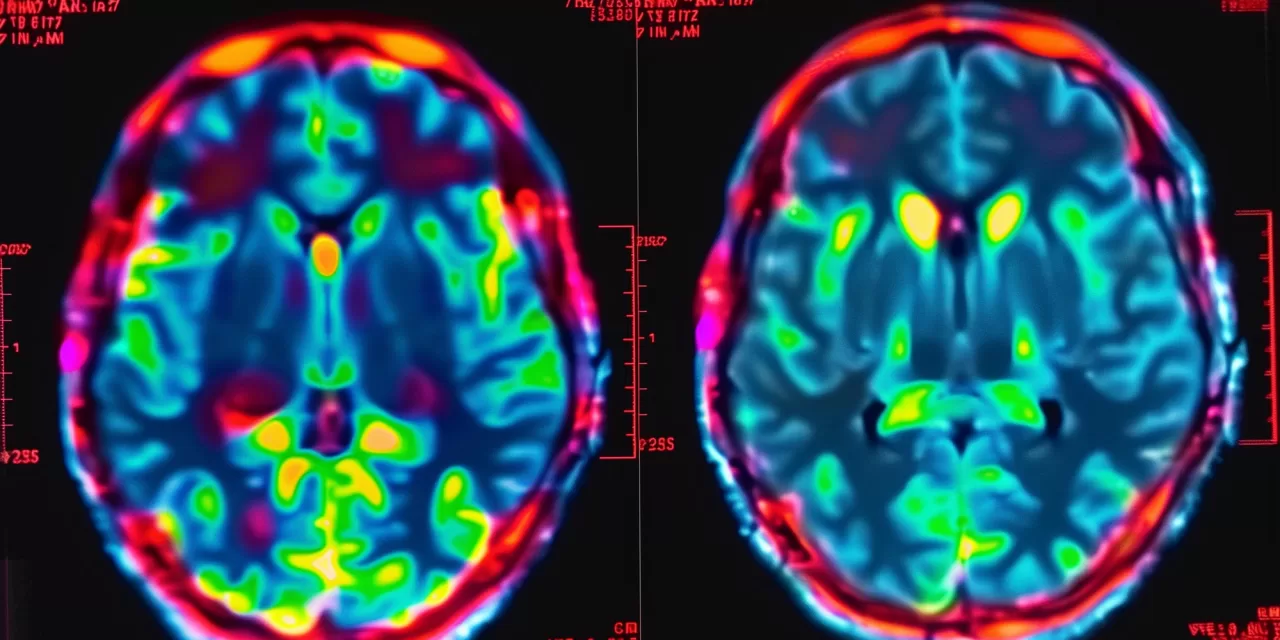
StateViewer leverages machine learning to analyze patterns of glucose metabolism in the brain, as captured by FDG-PET scans. By comparing a patient’s scan to a comprehensive reference database of over 3,600 confirmed cases, the tool can distinguish between various forms of dementia with an accuracy of 88%. The AI produces intuitive, color-coded brain maps that highlight areas of abnormal activity, making it easier for clinicians—even those without specialized neurological training—to interpret the results and reach a diagnosis.
Traditional dementia diagnosis is often complex and time-consuming, requiring multiple tests and specialist evaluations. StateViewer addresses these challenges by enabling faster and more precise identification of dementia subtypes, allowing for earlier intervention and more tailored treatment strategies. In clinical studies, the tool allowed healthcare providers to reach accurate diagnoses nearly twice as quickly and up to three times more accurately than standard methods.
Dr. David Jones, neurologist and director of the Mayo Clinic Neurology Artificial Intelligence Program, emphasized the patient-centered design of StateViewer:
“Every patient who walks into my clinic carries a unique story shaped by the brain’s complexity. StateViewer reflects our commitment to clearer answers and more precise treatment,” he said.
The Mayo Clinic team, led by Dr. Jones and data scientist Dr. Leland Barnard, is now working to expand the tool’s use across a broader range of clinical settings. Their goal is to make specialist-level dementia diagnostics more accessible, especially in primary care and rural clinics where neurological expertise may be limited.
With dementia affecting over 55 million people globally and nearly 10 million new cases each year, the demand for faster, more reliable diagnostics has never been greater. StateViewer’s introduction marks a significant step toward more personalized, proactive, and widely accessible dementia care.
Disclaimer: This article is based on recent research and press releases regarding the Mayo Clinic’s StateViewer AI tool. While the tool has demonstrated high accuracy in clinical studies, it is still undergoing broader validation and is not a replacement for professional medical judgment. Patients should consult qualified healthcare providers for diagnosis and treatment decisions.