 0
0
 0
0
From the serene tea ceremonies of Japan to the bustling cafés of global cities, matcha, the finely ground green tea powder, has captured the attention of health enthusiasts and casual consumers alike. Once a symbol of Japanese tradition, matcha has surged into modern culture, appearing in everything from gym smoothies in Bengaluru to Instagrammable lattes worldwide. But is this vibrant emerald-green beverage genuinely a superior health choice compared to coffee and regular green tea, or merely another fleeting wellness trend? Recent expert insights and research findings help unravel the benefits and limitations of matcha consumption.
What is Matcha, and Why Does it Stand Out?
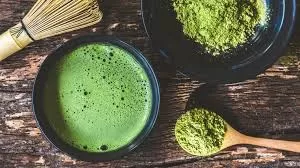
Unlike regular green tea, which is prepared by steeping tea leaves in hot water, matcha involves consuming the entire powdered tea leaf. This fundamental difference means matcha offers a more concentrated nutritional profile—delivering approximately two to three times the antioxidants of standard green tea. According to Payal Sharma, Senior Nutritionist at Dharamshila Narayana Superspeciality Hospital in Delhi, “The shade-growing process used in matcha production enhances bioactive compounds such as L-theanine, chlorophyll, and polyphenols. Consuming the whole leaf increases intake of antioxidants, particularly the catechin EGCG (Epigallocatechin gallate), which provides cellular protection and anti-inflammatory effects.”
Nutritionally, matcha packs a potent mix of caffeine and L-theanine, an amino acid known for promoting calm and focus. Veena V, Chief Clinical Dietician at Aster Whitefield Hospital in Bengaluru, explains, “Matcha contains caffeine in moderation, which when combined with L-theanine, creates sustained energy and relaxed alertness, avoiding the jitters and crashes typical of coffee.” This balance can help with mental clarity and stress reduction, supported by studies showing reduced stress markers and improved attention, especially in older adults .
Key Health Benefits and Scientific Evidence
The antioxidant EGCG in matcha supports cardiovascular health and fat oxidation, beneficial for metabolic function. Dt. Ritika Samaddar, Regional Head of Nutrition at Max Super Speciality Hospital, underscores the powder form’s concentration effect: “Because matcha uses the entire leaf, caffeine and bioactive compounds are significantly higher than brewed green tea.” These components may improve insulin sensitivity and influence glucose and lipid metabolism, potentially aiding healthier fat distribution.
However, while animal studies indicate positive effects on weight management, human clinical trials remain limited and inconclusive. Experts caution against overstating matcha’s weight-loss potential until more robust research emerges. Importantly, the synergy of caffeine and L-theanine appears to increase energy expenditure without harsh side effects, making it a gentler stimulant option for many .
Safe Consumption Practices and Potential Risks
Moderation is crucial. Most nutritionists recommend 1 to 2 grams of matcha powder per serving (roughly half to one teaspoon), with 1 to 2 servings daily balancing antioxidants, caffeine, and amino acids without significant side effects. Sunita Devani, Dietician and Diabetic Educator at Narayana Hospital Jaipur, advises against late-day consumption to avoid sleep disruption, suggesting mid-morning (10–11 a.m.) and early afternoon (2–3 p.m.) as ideal times.
Some cautions include possible interference with mineral absorption (iron and calcium), and rare cases of liver toxicity linked to excessive intake of green tea catechins have been reported. Pregnant and breastfeeding women, children under 12, people with anxiety disorders, heart conditions, or those on blood thinners are advised to limit intake or consult healthcare providers before consuming matcha. Commercial products can vary widely in matcha content, so choosing high-quality, ceremonial-grade matcha is essential to gain genuine benefits .
Preparation Matters: Traditional vs. Modern
Traditional preparation—whisking matcha powder in hot water—preserves maximum antioxidant levels like EGCG. Combining matcha with milk or plant-based alternatives, popular in lattes, may reduce some antioxidant activity due to protein interactions but still offers nutritional value and improves palatability. Dt. Samaddar warns that many commercial blends labeled “matcha” contain low percentages of real matcha powder, potentially misleading consumers seeking health benefits .
Implications for Public Health and Practical Takeaways
Matcha’s rise reflects broader consumer interest in natural, antioxidant-rich foods that support stress management and cognitive function. While matcha offers a promising but not miraculous boost to wellbeing, it should be considered a complementary part of a balanced diet rather than a magic bullet for health or weight loss.
The current scientific consensus highlights its richer antioxidant profile compared to green tea, its calming yet alerting effect, and metabolic benefits backed by preliminary research. However, limitations in human data and the variability of commercial products call for continued research and consumer education.
For individuals considering adding matcha to their daily routine, experts recommend starting with small amounts, consuming it earlier in the day, and selecting authentic products. This approach balances enjoying matcha’s potential benefits while minimizing risks.
Medical Disclaimer: This article is for informational purposes only and should not be considered medical advice. Always consult with qualified healthcare professionals before making any health-related decisions or changes to your treatment plan. The information presented here is based on current research and expert opinions, which may evolve as new evidence emerges.
References:
-
Kumar, V., “Matcha Madness: Sip by Sip, Is the Global Craze a Health Boost or Just Hype?,” ETHealthworld, September 2025.https://health.economictimes.indiatimes.com/news/industry/breast-cancer-cases-in-hyderabad-highest-in-india/123763391