 0
0
 0
0
A significant surge in chikungunya virus outbreaks has prompted health authorities in multiple countries—including France, Italy, Brazil, India, and Kenya—to issue urgent warnings as cases spike across Europe, Africa, and Asia in mid-2025.
Outbreaks Spread Across Continents
The World Health Organization (WHO) and national health agencies have reported unprecedented chikungunya activity this year. The Indian Ocean islands of Réunion, Mayotte, and Mauritius are among the hardest hit, with up to one-third of Réunion’s population estimated to have been infected. In addition to the islands, outbreaks are spreading rapidly on the African mainland (notably Kenya and Somalia), throughout South Asia—including India, Pakistan, and Sri Lanka—and into Europe, where local transmission has occurred in France and Italy. The Americas, led by Brazil, also face escalating cases.
What Is Chikungunya?
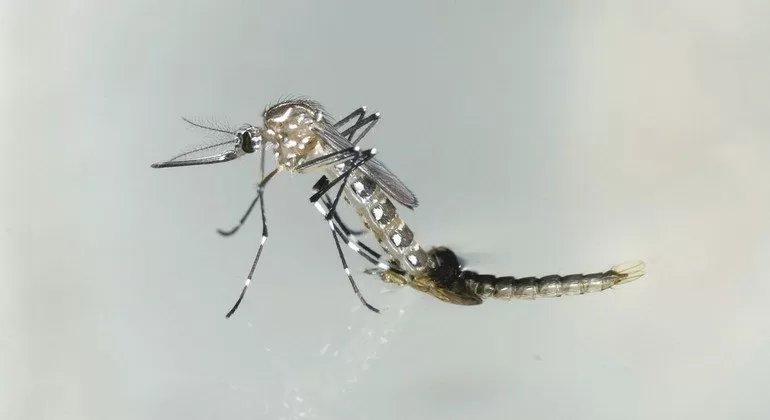
Chikungunya is a mosquito-borne viral disease transmitted by Aedes aegypti and Aedes albopictus mosquitoes. Common symptoms include sudden high fever, intense joint pain, headache, muscle pain, joint swelling, and rash. The name “chikungunya” means “to become contorted” in Makonde, reflecting the stooped posture of those with severe joint pain. Though rarely fatal, the virus can cause debilitating pain, and in some cases, long-term arthritis-like symptoms.
Why Is 2025 Different?
Health experts point to several factors making the 2025 outbreak especially troubling:
-
Climate change is expanding mosquito habitats into new regions.
-
Urbanization creates dense environments ideal for transmission.
-
Low population immunity means more people are susceptible.
-
Global travel quickly spreads the virus across borders.
Public Health Responses and Travel Advice
With over 250,000 chikungunya cases reported globally so far this year, government agencies are implementing several measures:
-
Travel advisories for affected countries, including France, Italy, Brazil, India, Kenya, Argentina, and the Indian Ocean islands.
-
Enhanced airport health screenings, fever checks, and distribution of mosquito repellent to arriving travelers.
-
Public health campaigns emphasizing mosquito bite prevention, prompt diagnosis, and vector control.
Travelers are urged to exercise increased caution in affected countries, use insect repellent, wear long sleeves, and stay in accommodations with adequate mosquito protection. Local outbreaks in countries not typically affected, such as France and Italy, highlight the need for vigilance even in temperate regions.
The Bigger Picture
The current surge echoes the devastating 2005–2006 outbreak that swept through the Indian Ocean region before becoming a global threat. This resurgence shows the virus is an ongoing concern, with over 5.6 billion people worldwide now living in at-risk areas.
Disclaimer:
This report is based on emerging health data and travel advisories current as of July 28, 2025. The situation is evolving rapidly. Travelers and residents in affected areas should consult official health sources and follow updated recommendations for the most current information.