 0
0
 0
0
With 102 new dengue infections confirmed across six districts on Thursday, Manipur’s total dengue tally for 2025 has climbed to 2,585, marking a sharp 91 percent increase compared to the same period last year. According to the state’s Health and Family Welfare Department, one death linked to the mosquito-borne viral disease has been reported from Bishnupur district so far this year.
Widening Spread Across the State
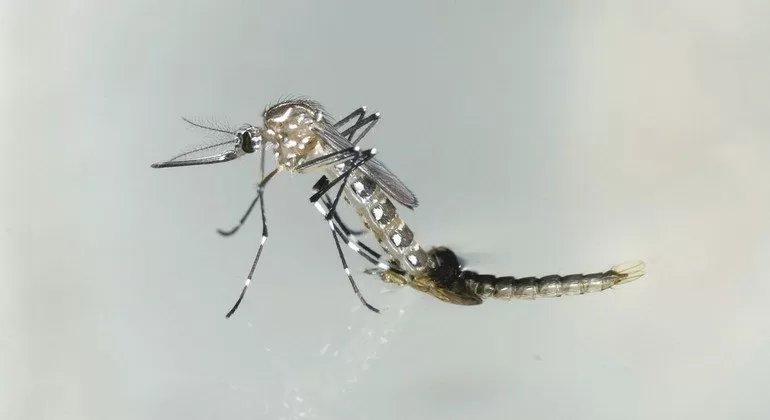
Among the state’s 16 administrative districts, Imphal West remains the worst affected, recording 1,839 infections, followed by Imphal East (434 cases), Bishnupur (79), Thoubal (67), Senapati (45), Kakching (37), and Ukhrul (23). Officials attributed the surge to extended monsoon rains and stagnant water, which create ideal breeding grounds for Aedes aegypti, the primary vector transmitting the dengue virus.
A senior official from the Manipur Health Directorate said the department is implementing intensified vector control measures, including fogging operations, door-to-door awareness drives, and larval surveillance in high-risk areas. Municipal bodies have been directed to clear clogged drains and remove standing water, while residents are being urged to use mosquito repellents, ensure water storage containers are sealed, and wear long-sleeved clothing, especially during dawn and dusk.
National Context: Dengue on the Rise Across India
Manipur’s spike mirrors broader trends across India. According to the Union Health Ministry, over 49,000 dengue cases and 42 deaths were reported nationwide as of August 2025. In 2024, India logged 233,519 cases and 297 deaths, reflecting the disease’s persistent national burden.
Forecasting models developed by All India Institute of Medical Sciences (AIIMS), Raipur, predict that dengue cases could exceed 278,000 nationally in 2025, demonstrating a continuing upward trend driven by climate factors such as temperature, rainfall, and humidity.
Changing Climate Patterns and Health Risks
A 2022 study published in the Journal of Advances and Zoological Research identified a strong correlation between heavy rainfall, humidity, and dengue incidence in the Imphal Valley, where most of the state’s population resides. The report warned that sustained rainfall followed by intermittent dry periods creates ideal mosquito breeding conditions. These findings are corroborated by India Meteorological Department (IMD) reports indicating heavier-than-normal precipitation in Northeast India through early October 2025.
“Climate variability plays a major role in vector-borne disease dynamics,” said Dr. Manimala Devi, a researcher at the Jawaharlal Nehru Institute of Medical Sciences, Imphal. “The combination of elevated humidity and urban waterlogging has likely magnified dengue risk this season.”
Clinical Picture and Community Response
Dengue is caused by any of four related DENV viruses transmitted through bites of infected Aedes mosquitoes. Symptoms typically appear four to ten days after infection and may include sudden high fever, severe headache, muscle and joint pain, rash, and nausea. Severe dengue, though rare, can cause internal bleeding and organ failure, demanding immediate hospitalization.
Officials are advising anyone experiencing these symptoms to seek medical attention promptly. Early diagnosis is crucial as there is currently no specific antiviral treatment for dengue; supportive care, including fluid management and rest, remains the mainstay of therapy.
Local hospitals in Imphal have seen a moderate uptick in outpatient visits for fever cases, but state officials emphasized that the healthcare system remains well within capacity. Rapid testing kits and platelet transfusion resources have been stocked across government health centers in Imphal West and East to mitigate complications.
Expert Perspectives
Dr. Randeep Guleria, former Director of AIIMS-New Delhi, cautioned that “urban expansion without adequate sanitation planning is turning many cities into hotspots for vector proliferation.” He emphasized the importance of preventive measures such as source reduction, community-led cleanup drives, and integrated vector management to control dengue spread.
Similarly, Dr. Soumitra Roy, a virologist with the Indian Council of Medical Research (ICMR), highlighted the need for sustained community engagement. “Public participation is crucial. Removing even small collections of standing water—like flower pots or discarded tires—can significantly disrupt mosquito breeding cycles,” he said.
Government Action and Public Health Preparedness
The State Vector Control Programme, under the National Vector Borne Disease Control Programme (NVBDCP), has scaled up surveillance and larval density assessments in key districts. Authorities have also deployed mobile health units and increased entomological monitoring to identify hotspots in real time. Educational campaigns in schools and neighborhoods aim to promote awareness about symptoms and prevention.
According to the Directorate of Health Services, Manipur, dengue incidence in the state has historically shown a post-monsoon surge between September and November, with case numbers expected to stabilize as cooler temperatures set in by late November.
However, experts warn that recurring annual outbreaks indicate a shift from seasonal to endemic transmission in parts of the Northeast, warranting sustained year-round vector control rather than reactive short-term measures.
Implications for Public Health
Public health experts stress that while the current outbreak remains localized, the upward trend reflects broader environmental and infrastructural challenges. Climate change, rapid urbanization, and inadequate waste management have collectively expanded the risk landscape for vector-borne diseases in India.
The World Health Organization (WHO) estimates that dengue now threatens nearly half the global population, with 100–400 million infections annually. India accounts for a substantial share of this global disease burden.
Looking Ahead
Preventing dengue requires both structural interventions—improving drainage, sanitation, and waste disposal—and behavioral ones, such as community compliance with vector control advisories. Health authorities in Manipur have urged citizens to report stagnant water, participate in clean-up drives, and ensure early diagnosis through official testing centers rather than self-medication or home remedies.
As dengue continues to tighten its grip across India, experts agree that sustained vigilance, data-driven interventions, and cross-sectoral coordination are vital to mitigate future outbreaks.
Medical Disclaimer:
This article is for informational purposes only and should not be considered medical advice. Always consult with qualified healthcare professionals before making any health-related decisions or changes to your treatment plan. The information presented here is based on current research and expert opinions, which may evolve as new evidence emerges.
References:
- https://theshillongtimes.com/2025/10/16/manipur-dengue-cases-102-more-test-positive-total-reaches-2585-in-2025/
- https://www.deshsewak.org/punjabi/news/224317