 0
0
 0
0
Manipur is grappling with a significant dengue outbreak in 2025, with 3,594 confirmed cases as of late October and one reported death in Bishnupur district. The outbreak has shown a steep rise compared to previous years, prompting intensified vector control efforts and public health interventions across the state’s valley and hilly regions. The outbreak underscores the continuing challenge dengue poses in India’s northeastern states and highlights broader public health implications amidst urbanization and climatic changes.
Key Developments in the Dengue Outbreak
According to S. Priyokumar Singh, State Malaria Officer under the National Vector Borne Disease Control Programme (NVBDCP), Manipur has been monitoring and responding to the outbreak since January 2025. Health authorities have conducted widespread dengue testing, with 7,883 individuals tested so far; of these, 3,594 have returned positive, reflecting a high incidence rate. The outbreak shows geographic clustering, with Imphal West district reporting the highest number of infections (2,507), followed by Imphal East (655), Bishnupur (102), and Thoubal (84), among others in both valley and mountainous areas. The only fatality to date occurred in Bishnupur district.
The 2025 figures reveal an upward trend compared to 2,463 dengue cases and five deaths reported in Manipur in 2024 and 2,548 cases (no fatalities) in 2023. Dr. Priyokumar Singh attributes the surge partly to unprecedented population growth, unplanned urbanization, water supply challenges, and increased mosquito density, factors conducive to Aedes mosquito breeding and dengue transmission.
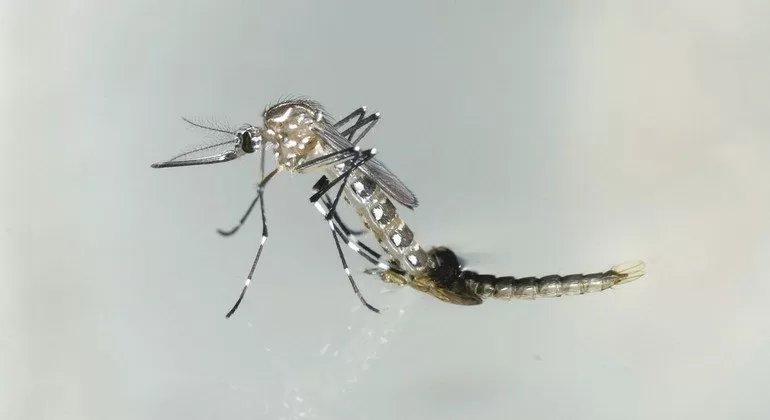
Vector control activities, including fogging operations in nearly 2,000 localities and 1,500 awareness campaigns, have been intensified to curb further spread. Such measures are critical, given the virus’s transmission dynamics via Aedes aegypti and Aedes albopictus mosquitoes, which breed in stagnant water commonly found in urban environments.
Expert Perspectives and Context
Dr. Arvind Kumar, an infectious diseases expert unaffiliated with the Manipur health department, notes, “The sharp rise in dengue cases in Manipur reflects a broader pattern seen across tropical and subtropical regions where climatic variability, combined with rapid urbanization and inadequate sanitation infrastructure, creates ideal conditions for mosquito proliferation and virus transmission.” He emphasizes the importance of community-level engagement in eliminating mosquito breeding sites and timely clinical management in reducing morbidity and mortality.
The National Centre for Vector Borne Disease Control under India’s Ministry of Health similarly reports that dengue remains a significant public health challenge, with nationwide case numbers surpassing 49,000 and 42 deaths as of August 2025. The Northeast, including Manipur, has witnessed localized outbreaks that require coordinated response efforts.
Public Health Implications and Practical Advice
Dengue fever, caused by any of four related viruses, manifests with symptoms including sudden high fever, severe headache, pain behind the eyes, joint and muscle pain, rash, and mild bleeding (e.g., nose or gum bleed). Severe dengue, though less common, can lead to plasma leakage, fluid accumulation, respiratory distress, severe bleeding, or organ impairment, necessitating urgent medical care.
The current outbreak in Manipur calls for heightened public vigilance. Individuals are advised to:
-
Avoid mosquito bites by using insect repellent, wearing long-sleeved clothing, and using mosquito nets.
-
Eliminate standing water around homes and communities to reduce mosquito breeding.
-
Seek early medical care if symptoms consistent with dengue appear, especially high fever and severe pain.
-
Follow public health advisories and participate in community vector control programs.
Limitations and Counterarguments
While the rising numbers are concerning, underreporting is possible due to limited access to testing in remote areas. Varied immunity levels in populations and evolving virus serotypes also influence the outbreak’s severity and spread. Some experts caution against attributing all febrile illnesses during the monsoon and post-monsoon season to dengue without confirmatory laboratory tests, underscoring the need for differential diagnosis.
Conclusion
Manipur’s escalating dengue cases and the reported fatality highlight urgent public health priorities: robust surveillance, community engagement in vector control, and accessible healthcare services for prompt diagnosis and management. As environmental and societal factors continue to drive the spread of vector-borne diseases like dengue, integrated efforts involving government agencies, healthcare providers, and communities remain essential to mitigate this persistent threat.
Medical Disclaimer: This article is for informational purposes only and should not be considered medical advice. Always consult with qualified healthcare professionals before making any health-related decisions or changes to your treatment plan. The information presented here is based on current research and expert opinions, which may evolve as new evidence emerges.
References
- https://economictimes.com/news/india/manipur-reports-129-new-dengue-cases-tally-rises-to-3594-this-year/articleshow/124958792.cms
- https://www.deshsewak.org/english/news/227059