 0
0
 0
0
Kolkata, India – West Bengal Chief Minister Mamata Banerjee declared that her government will not enforce any directive advising against the consumption of popular Indian snacks like samosas and jalebis, despite an advisory from the Union Health Ministry regarding foods high in sugar and fats . Her statement comes amidst a social media stir and reports suggesting the ministry was targeting traditional Indian street snacks .
On Monday, Banerjee posted on X (formerly Twitter), asserting that her government would not implement any such measures, emphasizing the need to respect cultural diversity in food habits . “Some media have reported that apparently samosas/jalebis cannot be consumed from now on, based on instructions from the Health Ministry. This is not a notification from the Government of West Bengal. We are not interfering in every matter. We shall not implement this,” she stated, adding that these snacks are popular across various states and people’s food habits should not be interfered with .
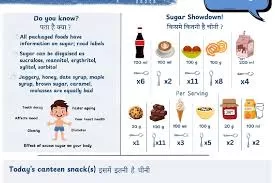
The Press Information Bureau (PIB), the government’s fact-checking arm, clarified that the Union Health Ministry has not issued any directive requiring warning labels on traditional Indian snacks such as samosas, jalebi, or laddoos . The PIB explained that the health ministry’s advisory is a recommendation to encourage citizens to make informed food choices and is meant as a “behavioural nudge to make people aware of hidden fats and excess sugar in all food products, and not specifically to any particular food product” .
Earlier reports had indicated that cafeterias and public spaces might be required to display warning signs about the sugar and fat content in snacks . This perception led to significant social media pushback, with many defending traditional Indian foods . The government advisory, according to the PIB, aims for healthier options and initiatives at workplaces, urging people to make healthier choices to cut down on excess oil and sugar, and does not target India’s rich street food culture .
A government letter accompanying the advisory highlighted growing concerns about India’s obesity crisis, projecting that over 44.9 crore Indians could be overweight or obese by 2050, potentially making India the second-largest hub of obesity globally . Currently, one in five urban adults in India is overweight .
Disclaimer: This news article is based on information available as of the publication date and aims to provide an accurate representation of the reported events.